| | | The Bulletin | July 20, 2026 |
| |
| | |
| | Good morning. We begin in the United Kingdom. |
| | |
| Andy Burnham will officially become Britain’s 59th Prime Minister today and is expected to unveil the first policies and cabinet of his new government. | Burnham’s rise could test U.S.-U.K. ties, as his “business-friendly socialism” and more left-leaning policies may clash with President Donald Trump’s worldview. | Meanwhile, the 2026 FIFA World Cup concluded with Spain’s victory over Argentina and record-breaking global success, overcoming early political and logistical concerns while keeping Trump and FIFA President Gianni Infantino at the center of ongoing scrutiny. | In Washington, nearly 18 months into Trump’s second term, new polling shows a familiar partisan map—but one where many of the president’s early advantages have narrowed. | Trump is underwater in every major battleground state. Here’s where he stands. | On the policy front, U.S. Immigration and Customs Enforcement will require its officers to utilize body-worn cameras during vehicle stops, a top administration official said Sunday. | The move follows two recent fatal shootings by federal agents that have intensified scrutiny of the agency’s enforcement tactics. | In other news, a mass shooting in Tucson, Arizona, has left nine people wounded, police have said. The mother of Nolan Wells says she and her husband have received anonymous hate mail featuring a defaced photo of their legal team as they prepare to celebrate the life of their 18-year-old son. | Lastly, the second tropical depression of the 2026 Atlantic hurricane season—Tropical Depression Two—has formed in the Gulf of Mexico and is expected to strengthen in the coming days. | More of today's top stories are below. |
| | |
| | | | | | | Sonal Nain is a Newsletter Reporter/Producer at Newsweek. You can reach Sonal by email, or on X. |
|
|
| |
|
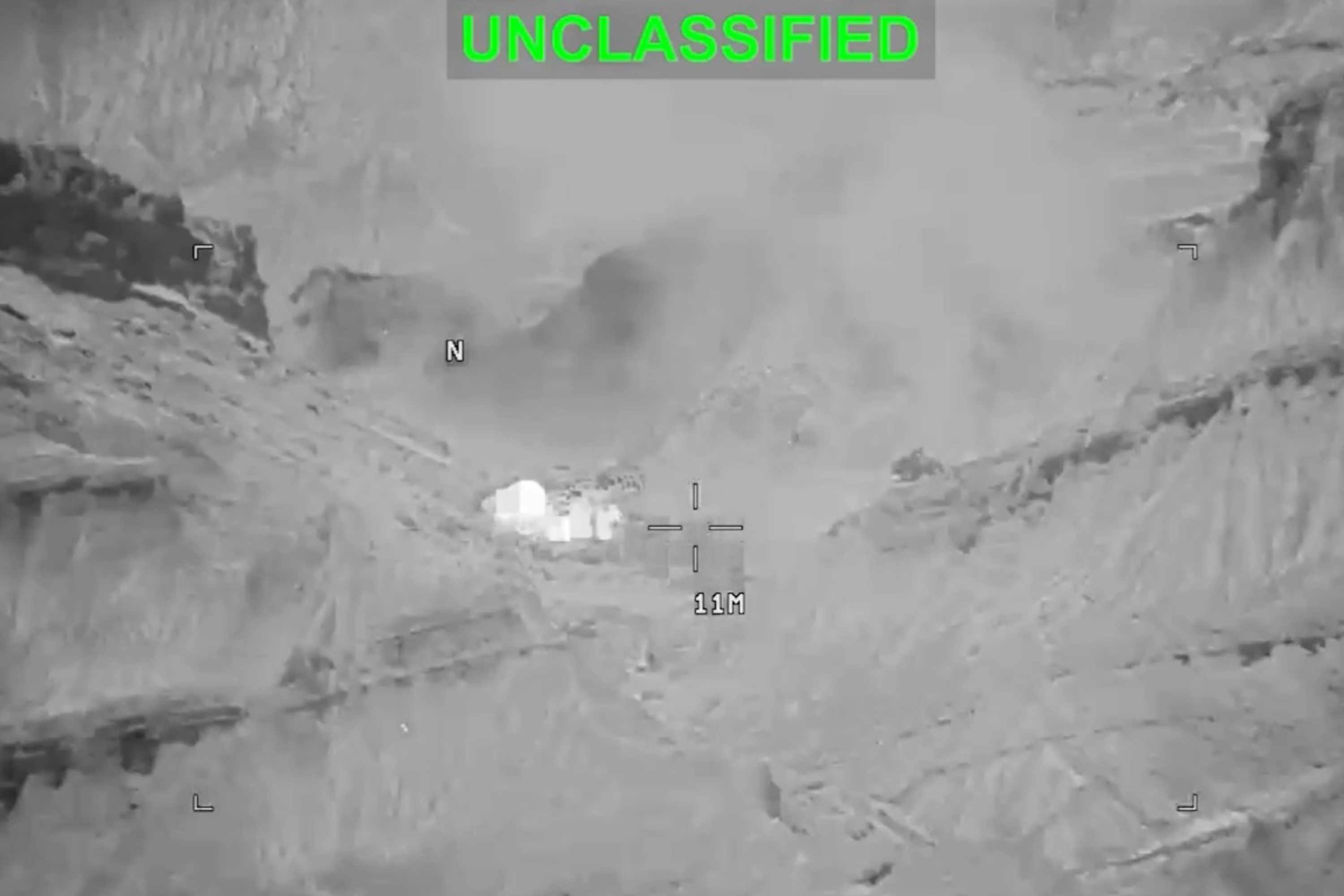
| | | | | | Iran war: A U.S. service member was killed in action in Iraq on Saturday during a controlled detonation of unexploded ordnance from a downed Iranian one-way attack drone, U.S. Central Command announced Sunday in an X post. Get more details. Trump calls for Canada to pay: Air quality alerts are in force across several states on Monday as smoke from hundreds of Canadian wildfires has blanketed swathes of the northern United States. Know more. U.S. ambassador to UN hits out at Mamdani: The U.S. ambassador to the United Nations has accused Zohran Mamdani of engaging in "political theater" after the Democratic mayor of New York City said he was hoping to arrest Israeli Prime Minister Benjamin Netanyahu should he visit the city later this year. Find out more. Major U.S. attack on Iran: A number of critical sites were hit in Iran and other countries in the Middle East, as the United States and Iran exchanged blows aimed at infrastructure and military targets on Saturday. Here's a look at the key sites that were struck. Deadly earthquake strikes: A deadly earthquake in Peru has raised fresh concerns about seismic activity across Latin America, striking just days after a powerful magnitude 7.3 earthquake off Mexico’s Pacific coast triggered tsunami warnings and unleashed dozens of aftershocks. Here’s what to know.
|
| | |
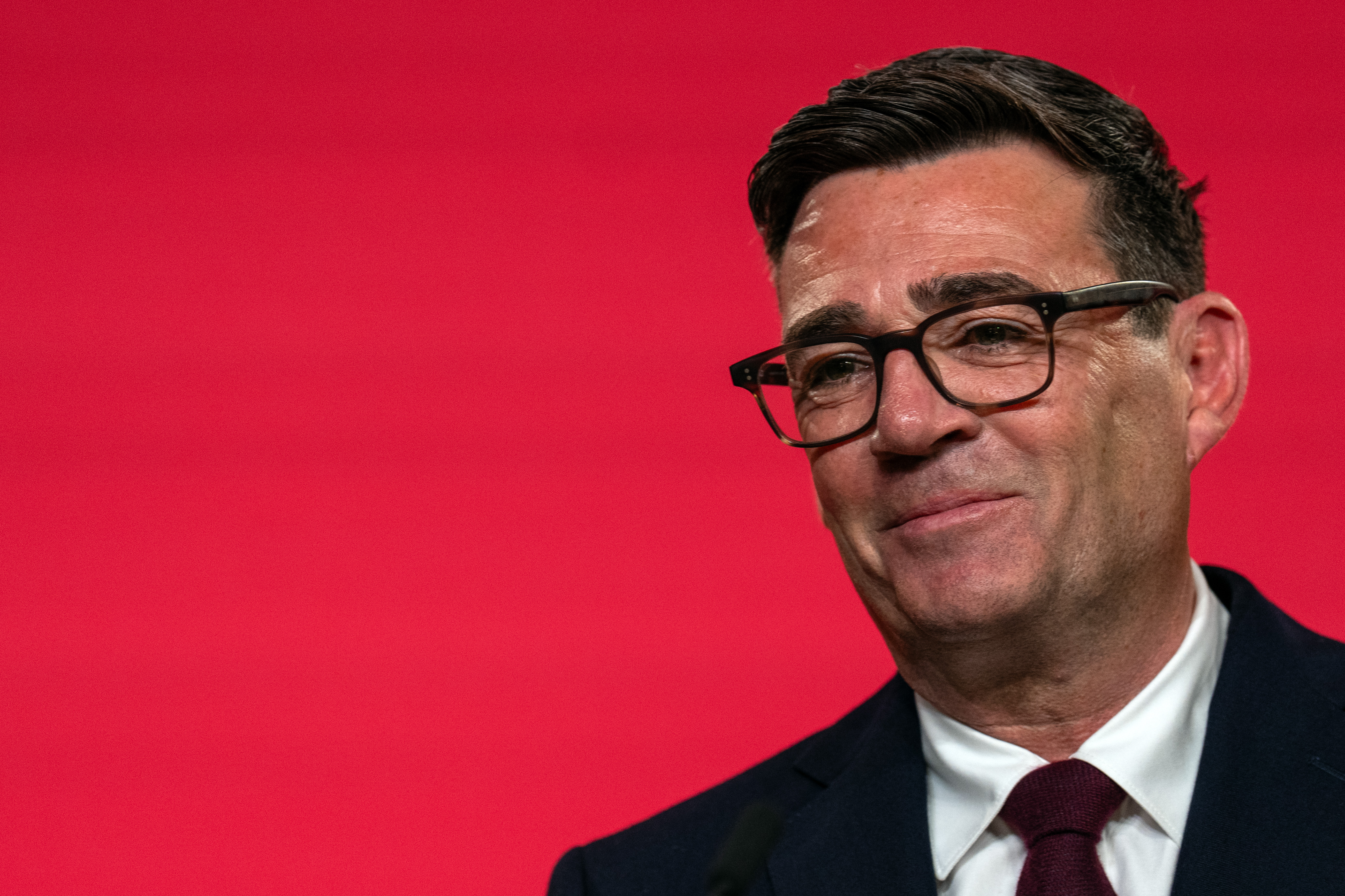
| | | | | United Kingdom | Andy Burnham: UK PM’s ‘Socialist’ Style May Be Red Flag for Trump |
| |
| | |
| The rundown: When President Donald Trump was asked about Andy Burnham last month, the man replacing Keir Starmer as Britain’s prime minister, he said he knew little. Read his full remarks. | Why it matters: Trump’s description of Burnham signaled that the new prime minister may face an even tougher task than his predecessor in winning over Trump, given the president’s recent attacks on members of the Democratic Party’s ascendant left as “communists.” But is Burnham, who has described himself as a business-friendly leader, anything like the "communists" Trump has railed against? Or is he just a European leader? The former mayor of Greater Manchester is taking over from Starmer as prime minister on Monday after becoming leader of the U.K.’s governing Labour Party on Friday. In a speech, Burnham expressed his pro-business stance as he promised "the most significant change moment in our politics for 40 years.” That’s a “very broad” term that can make a politician sound “anti-capitalist” in the sense of “aiming to abolish private property, markets, nationalize the economy and so on, Sheri Berman, a professor of political science at Barnard College, told Newsweek. | Read more in-depth coverage: | Trump Hails Burnham’s Oil Stance After Saying Starmer ‘Failed Badly’ | What happens next? Burnham has already acknowledged the challenges he may face when dealing with Trump, though he has suggested his personality could help keep the relationship from becoming rocky. In a recent interview, he said he planned to be “upfront” with Trump and “meet him where he’s at.” |
| | |
| | | | Birthright citizenship | Republicans Want To End Birthright Citizenship in US Territories |
| |
| | |
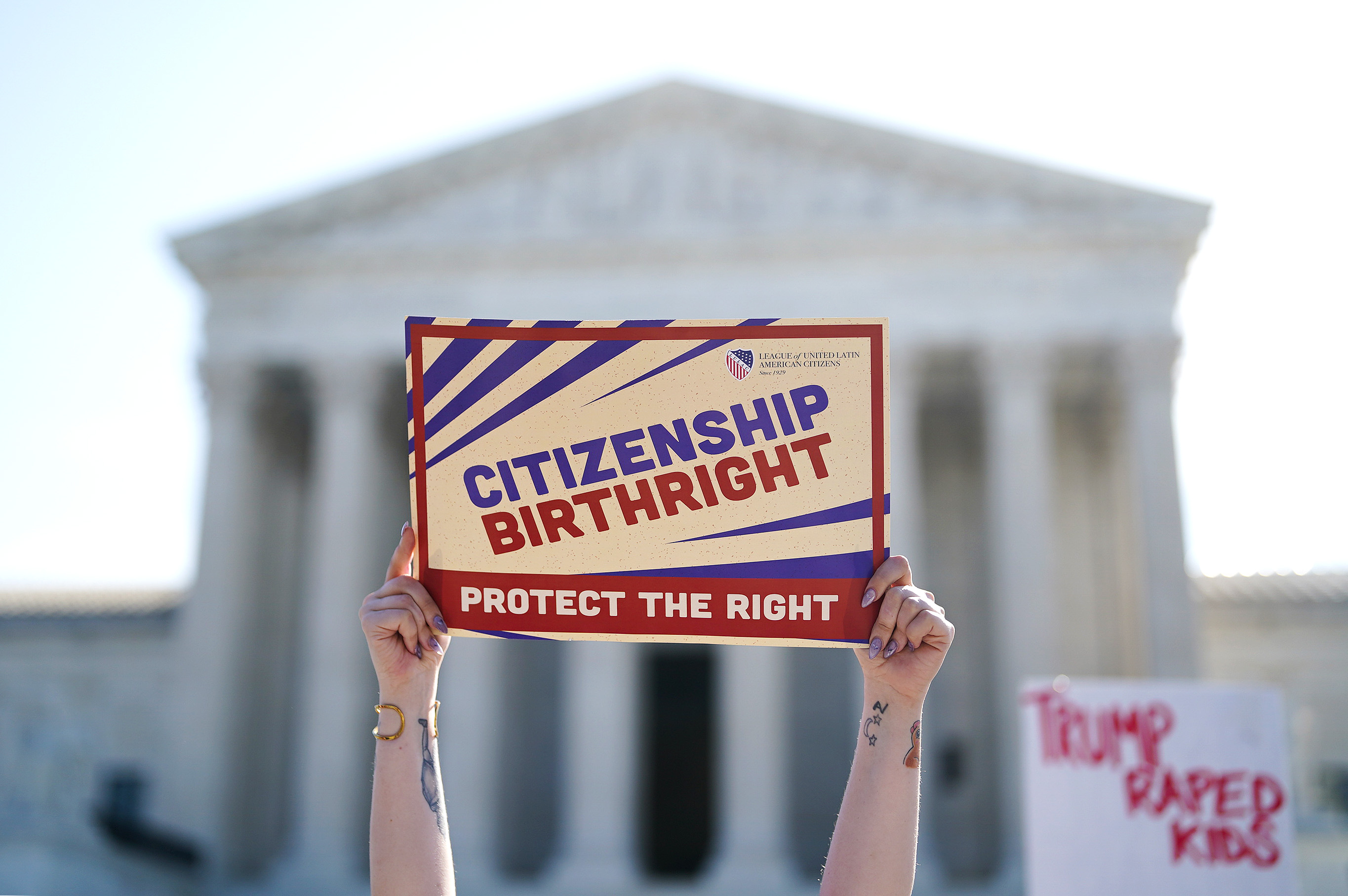
| The rundown: House Republicans have introduced legislation that would end automatic birthright citizenship in most U.S. territories, marking a new effort to narrow the scope of citizenship rights beyond the fifty states—and potentially opening a new legal front weeks after the Supreme Court reaffirmed the constitutional guarantee of birthright citizenship on the mainland. Read more. | Why it matters: The End Birthright Citizenship for Territories Act, introduced by Representative Morgan Griffith, a Virginia Republican, would amend federal laws that grant U.S. citizenship at birth to people born in Puerto Rico, Guam, the U.S. Virgin Islands and the Northern Mariana Islands. The legislation would limit those provisions to people born before January 1, 2027, effectively ending automatic citizenship for future births unless at least one parent is a U.S. citizen or lawful permanent resident. The bill would not affect people who already hold U.S. citizenship, as the amendments would not alter the citizenship or nationality status of anyone born before January 1, 2027. "This dangerous and unconstitutional legislation highlights the problem with the Insular Cases and the idea that Congress has the power to simply turn constitutional rights on and off at will in U.S. territories," Neil Weare, a co-director of Right to Democracy, a group that advocates for democracy and self-determination in U.S. territories, said in a statement shared with Newsweek. | Read more in-depth coverage: | Congress Can Still Ban Birthright Citizenship. Here’s How. | What happens next? If approved by Congress and signed into law, the measure would mark one of the most significant proposed changes to citizenship policy in U.S. territories in decades, potentially setting up a new legal debate over whether the Constitution protects citizenship for people born in the territories or remains subject to congressional revision. |
| | |
| | | | Approval rating | Map Shows Trump’s Approval Rating in Every State After 18 Months |
| |
| | |
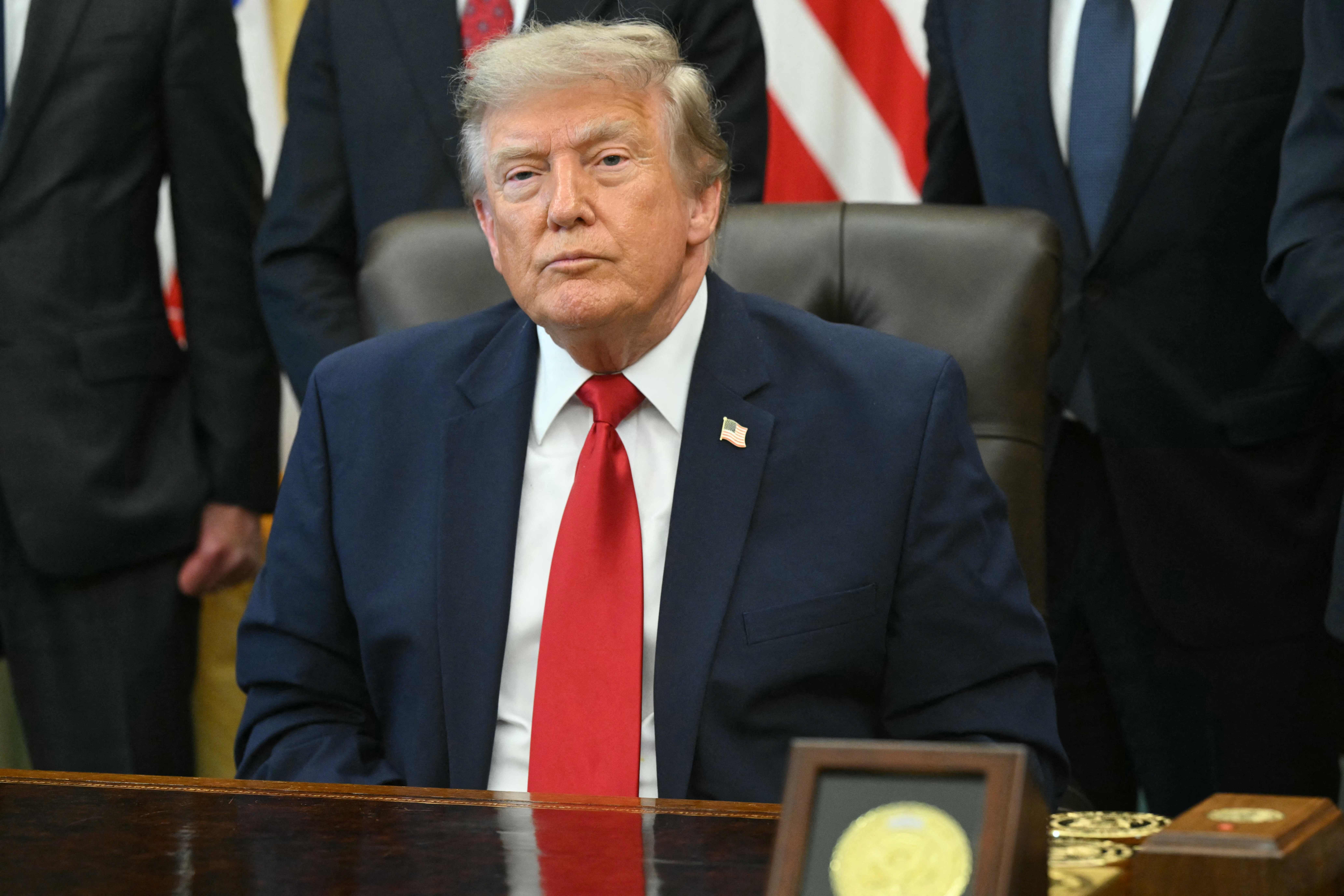
| The rundown: Almost exactly 18 months into President Donald Trump's second term, new polling shows a political map that still reflects America's familiar partisan divide—but one where many of the president's early advantages have narrowed. Check it out here. | Why it matters: New state-by-state polling shows the president underwater in every swing state, meaning even small shifts could shape Congress in 2026. The data comes from Civiqs' rolling online tracking poll of 117,851 registered voters. A Newsweek analysis compares Trump's approval rating on July 17, 2026, with where it stood when he returned to office on January 20, 2025, with net approval calculated as approve minus disapprove. Nationally, Trump receives 37 percent approval and 58 percent disapproval, leaving him clearly underwater overall, with a net approval rating of -21. His strongest support remains concentrated in Republican strongholds, led by Wyoming, North Dakota, and Idaho. Several states that began Trump's second term with positive net approval now sit underwater. | Read more in-depth coverage: | Trump Approval Rating Falls To All-Time Low on Economy in Two Polls | What happens next? The White House has continued to point to Trump's 2024 election victory as its clearest measure of public support, arguing that the nearly 80 million Americans who voted for him delivered a mandate for his agenda. In a response the administration has used repeatedly in reply to polling inquiries, spokesman Davis Ingle said, "the ultimate poll was November 5, 2024," adding that Trump is continuing to deliver on a "popular and commonsense agenda" and that "this is just the beginning as his agenda continues taking effect." |
| | |
| | | | Immigration | ICE to Require Body Cameras During Vehicle Stops After Fatal Encounters |
| |
| | |
| The rundown: U.S. Immigration and Customs Enforcement (ICE) will require its officers to utilize body-worn cameras during vehicle stops, a top administration official said Sunday, following a pair of recent fatal shootings by federal agents that have intensified scrutiny of the agency’s enforcement tactics. Know more. | Why it matters: Tom Homan, the Trump administration’s border czar, spoke about the directive during an appearance on Fox News' Fox & Friends, stating that ICE leadership has ordered at least one officer to record video during traffic operations as the agency accelerates a nationwide rollout of the technology. The policy shift follows the fatal shootings of a Colombian delivery driver in Biddeford, Maine, on July 13, and a Mexican national in Houston on July 7. Neither incident was captured on body camera, fueling public protests and demands for greater transparency amid the administration's broader mass deportation campaign. The recent fatalities are part of a broader rise in lethal encounters involving federal immigration authorities. At least six people have been killed during ICE enforcement actions since January 2025, according to data tracked by Newsweek. | Read more in-depth coverage: | United Employee Threatens ICE Call On American: ‘Not Acting Like A Citizen’ | What happens next? In a joint statement emailed to Newsweek, the agencies said claims of a policy change were "false" and emphasized that the relationship between DHS and DOJ regarding investigations of assaults on federal officers "has not changed." The statement added that the FBI "will continue to investigate in accordance with agency policy." |
| | |
| | | | FIFA | How Trump Won the World Cup |
| |
| | |
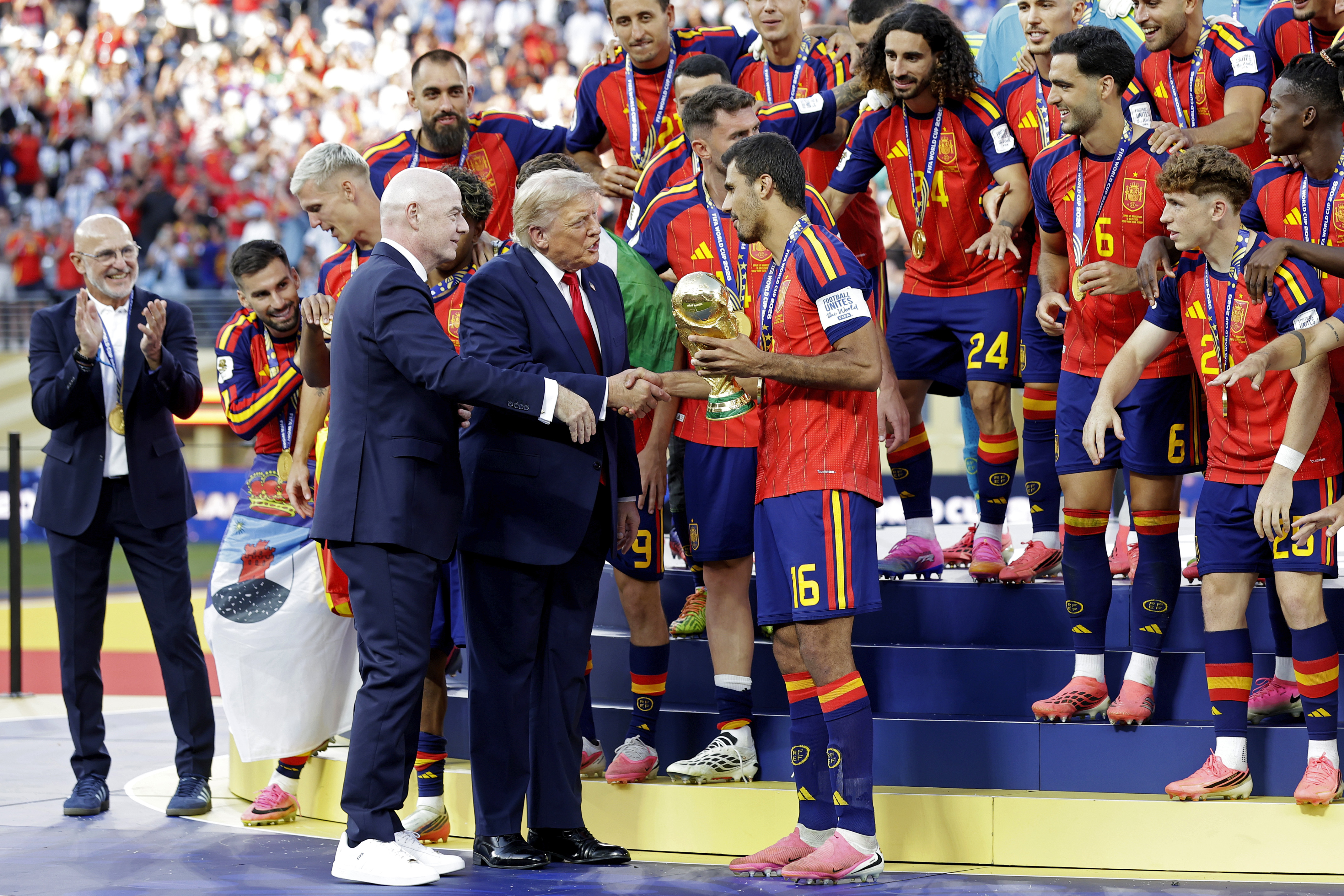
| The rundown: On Sunday evening, President Donald Trump was at New York New Jersey Stadium (MetLife Stadium) for the final of the FIFA World Cup to witness the final game between Spain and Argentina, which Spain won 1-0 in extra time on a goal from Ferran Torres after Argentina played the final stretch a man down. Read more. | Why it matters: It was Trump's first and only game of the tournament. He watched from the box alongside Mexican President Claudia Sheinbaum, Canadian Prime Minister Mark Carney, and Spain's King Felipe VI and Prime Minister Pedro Sánchez. While loud booing was heard when the cameras pointed at him, the President looked unamused, decided to close a World Cup that happened largely under his watch. Six weeks ago, that ending looked far from certain. Critics warned the first 48-team World Cup would become a case study in how politics could overshadow sport. The tournament broke attendance records, produced the largest television audiences in American soccer history and, by the time it reached Sunday's final between Spain and Argentina, had been hailed by many observers as one of the strongest World Cups in recent memory. Trump had spent years positioning himself as the political face of the 2026 World Cup. His immigration policies became one of the defining controversies surrounding the tournament before it began. | Read more-in depth coverage: | Trump Ushered Away From Spain’s Trophy Shot at World Cup | What happens next? When Trump handed the trophy to Spain's Rodri, he closed the books on one of the most successful World Cups in the tournament's history. The excluded fans, the barred nations, the families still waiting on visas that never arrived, those will fade into the footnotes. What will not fade is simpler, and it is the only line that matters to the man holding the trophy: it happened on his watch. |
| | |
| | | Newsweek Special Edition: America’s 250th |
| | |
| | | Thomas Worcester Hyde | The Confederate infantry line at Antietam held. Around it, the fields were already thick with the dead, and the 7th Maine Volunteer Infantry had been ordered into ground where the odds were plain. Major Thomas Worcester Hyde led the regiment forward anyway, pushing into the assault until the men around him had fallen in numbers that made continuation a question of survival rather than tactics. He kept fighting. He kept the remnant together. And when the attack was spent, he brought out the soldiers still standing — a thing that required as much steadiness as the charge itself had demanded. |
| | |
| | | Hyde was 21 years old at Antietam, a Bowdoin graduate who had taken a major's commission before the ink was dry on his diploma. His military career followed a steady upward progression — first entering the army as a Major with the 7th Maine Volunteer Infantry Regiment, then taking on the role of Assistant Inspector General of the VI Corps in the Army of the Potomac, and finally taking command of Brigade 3, Division 2, VI Corps as part of the Army of the Shenandoah. He was present at Second Bull Run, at Gettysburg, and at Appomattox when Lee surrendered — a complete education in what the war was. He came out of it a colonel, later breveted brigadier general, and spent the rest of his life in Maine with the particular purposefulness of men who have seen enough death to understand time. | | |
| | |
| |
|





No comments:
Post a Comment