| | | The Bulletin | July 16, 2026 |
| |
| | |
| | Good morning. We begin in Iran. |
| | |
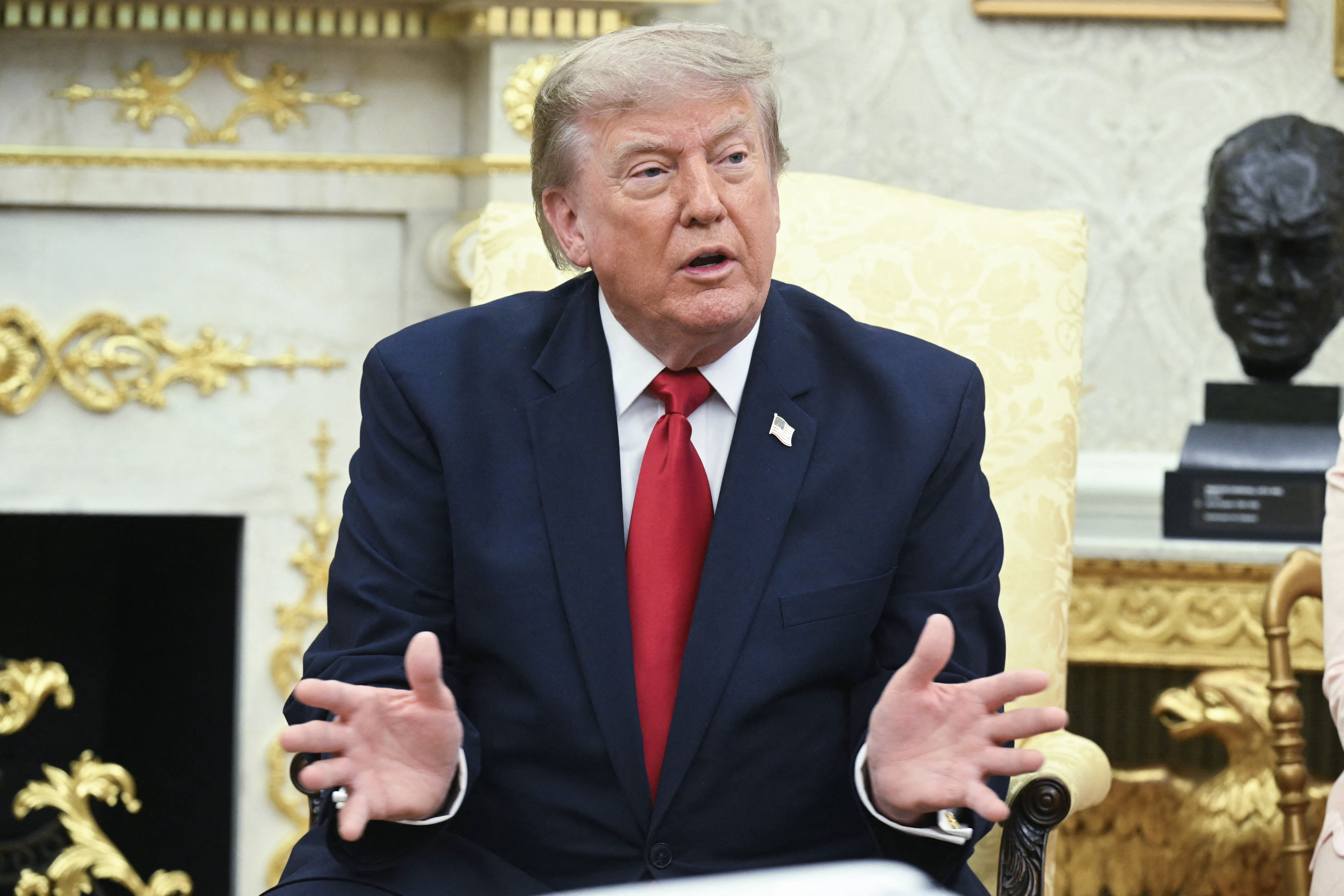
| Shane again, and I don’t know if I’m high-T or low-T—perhaps Pete Hegseth can tell me—but I’m most certainly very-T: tired. It just keeps getting worse and worse, doesn’t it? | More, bigger U.S. strikes, expanded into northern Iran. A renewed blockade of Iranian shipping in the Strait of Hormuz. Iranian missiles and drones flying all over the Gulf, testing air defenses. President Trump trained his sights on bridges and power plants. | The speaker of Iran’s parliament Mohammad Bagher Ghalibaf—also Tehran’s top negotiator, and one of the few Iranian leaders yet to be vaporized by Israel—is calling it an “existential war”. The Iranian army spokesman threatened to widen the conflict. | Doesn’t feel like there’s a shortage of testosterone at the moment, but Hegseth wants to check everyone’s balls anyway. | Trump will deliver a primetime address tonight at 9 p.m. ET, promising “a very big announcement”. The renewed war with Iran and the cost of living are likely to be high on the agenda, but the main theme appears to be “fair elections.” | To Trump’s opponents, that sounds ominous before the midterms. Trump, who continues to deny the results of the 2020 election he lost to Joe Biden, recently cleared out officials at the top of the U.S. Election Assistance Commission. | He continues to battle to get the SAVE America Act through a GOP-majority Senate that doesn’t have the numbers without nuking the filibuster, which it doesn’t want to do. | The White House has given little information on what to expect from Trump today. Maybe he doesn’t even know what he’ll say. Trump’s not a man for sticking to the script. So what can we expect? | A new attempt to use federal powers real or theoretical to shape the coming midterms? More grievance-chasing investigations into previous elections? Something else entirely? We’ll have to wait and see. | The MAG doctrine (mutually assured gerrymandering) will play a big role in the outcome of this year’s midterms. Both parties are at it, though Trump and the Republicans kicked things off. But the issue at the top of voters’ minds is affordability. | Trump got some good news there earlier this week, as inflation came in unexpectedly cool for June when a pause in the Iran war pushed oil prices back down. But we know how that story is unfolding in July. | There’s some June retail sales data due today, which will give an indication of consumer confidence amid Iran and woes in the jobs market. Inflation cooled, but were Americans actually feeling flush enough to spend out? | Elsewhere, DHS chief Markwayne Mullin’s in a sticky spot. Two fatal ICE shootings in questionable circumstances led the DHS to pause traffic stops by federal immigration agents, to review procedures. Trump then very publicly overturned that decision. | “President Trump and I are on the same page,” Mullin said, trying to find whatever page Trump had just turned to without him. | That’s all for now. Scroll down for Newsweek’s latest coverage. |
| | |
| | | | | | | Shane Croucher is a Senior Editor, Subscriber Content based in London, UK. He has previously overseen the My Turn, Fact Check and News teams, and was a Senior Reporter before that – covering U.S. news and politics. Shane joined Newsweek in February 2018. You can reach Shane by email at s.croucher@newsweek.com. |
|
|
| |
|
| | | | | | Russia-Ukraine war: A Ukrainian drone unit commander has warned of a new phase in Kyiv’s maritime campaign against Russia after strikes over the last two weeks reduced shipping traffic in the Sea of Azov to a trickle. Learn more. Canada wildfires: Smoke from hundreds of active wildfires burning across Canada is continuing to spread into the United States, triggering air quality alerts across multiple states and shrouding parts of New York in a visible haze. Know which states are impacted. Cuba struck by third island-wide blackout: Cuba has suffered its third nationwide blackout in little over a week as the island wrangles with a painful fuel crisis, worsened by months of U.S. pressure. Get more details. Trump’s approval rating with city voters: President Donald Trump’s approval rating among urban Americans has fallen sharply, according to new polling, underscoring a deepening divide between the president and voters in the nation’s cities. Know what’s driving this. Is the Chinese economy in trouble? China experienced its lowest rate of growth in more than three years last quarter, official data showed Wednesday, as economists warn of choppy waters ahead. Know more. Joe Biden's memoir announcement: Former President Joe Biden will publish a memoir, Promise Me, America, on November 17, two weeks after the midterm elections, publisher Little, Brown and Company said Wednesday. All you need to know.
|
| | |
| | | | | Iran | Why Trump Threat to Hit Bridges, Power Plants May Be Considered a War Crime |
| |
| | |
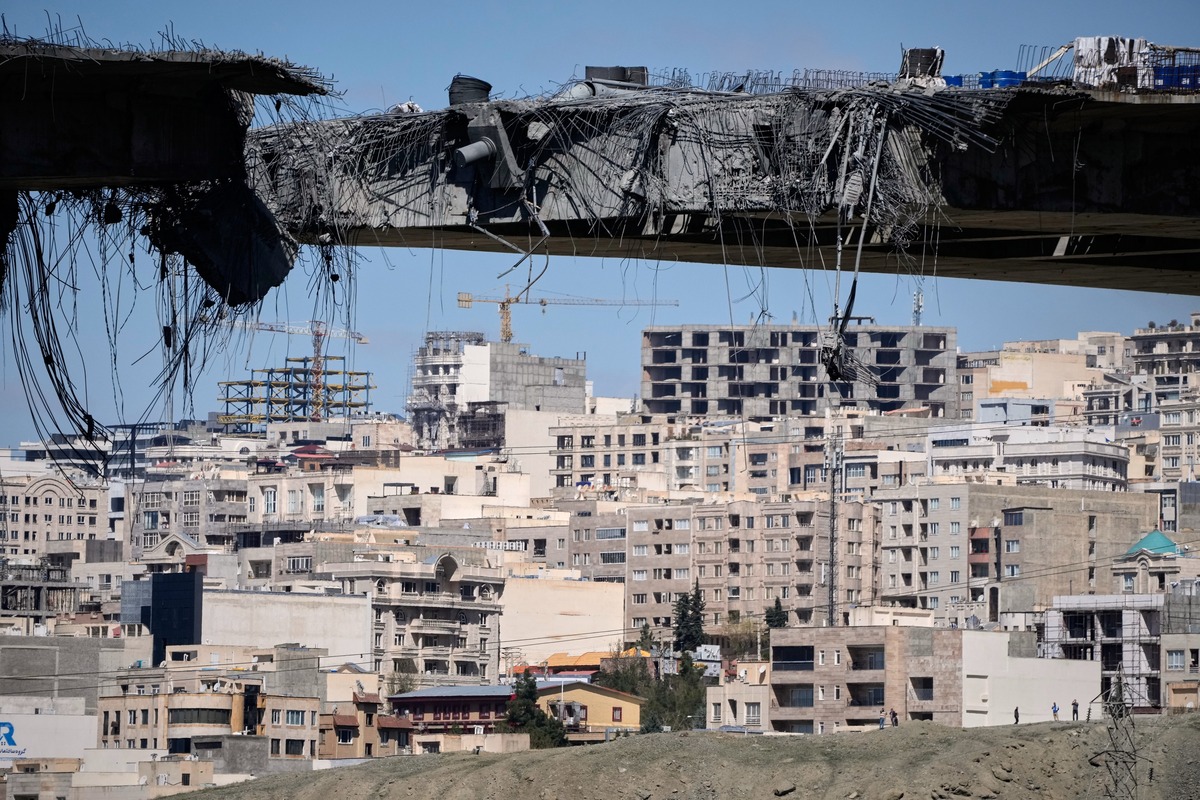
| The rundown: President Donald Trump has threatened to strike Iran's bridges and power plants unless Tehran returns to peace talks with Washington, resurrecting fears that he is suggesting the U.S. could commit potential war crimes. Learn more. | Why it matters: Trump's comments came just ahead of a fourth consecutive night of strikes between the U.S. and Iran, further damaging hopes for a permanent peace deal to replace the interim agreement inked in June. Talks between U.S. and Iranian delegations have shuddered to a halt as attacks around the vital Strait of Hormuz shipping lane surged again. Iran has effectively controlled the strait for months while the U.S. battled to reopen the strategic waterway, through which a fifth of the world's oil and gas supply typically flows. U.S. Central Command (CENTCOM) announced the completion of another wave of military strikes against Iran on Wednesday, concluding at 9 p.m. ET. According to CENTCOM, U.S. forces targeted Iranian command centers, air defense systems, missile and drone capabilities, and coastal surveillance facilities. The strikes, which included Bandar Abbas, were described as part of an effort to reduce Iran's ability to threaten commercial shipping transiting the Strait of Hormuz. | Read more in-depth coverage: | Other Routes: How Shipping Is Circumventing the Strait of Hormuz War Zone | What happens next? Trump declared last week the ceasefire was "over" as the U.S. resumed strikes. U.S. officials had said talks with Iran had stalled amid power struggles in Tehran. The U.S. State Department said late on Tuesday it was slapping fresh sanctions on dozens of people, entities and ships supporting Iranian shipping and helping to dodge sanctions already in place. Iranian health authorities said 260 people had been injured since attacks restarted. |
| | |
| | | | Epstein files | Todd Blanche Confirmation Hearing: GOP’s Cornyn Has ‘Concerns’ on AG Vote |
| |
| | |
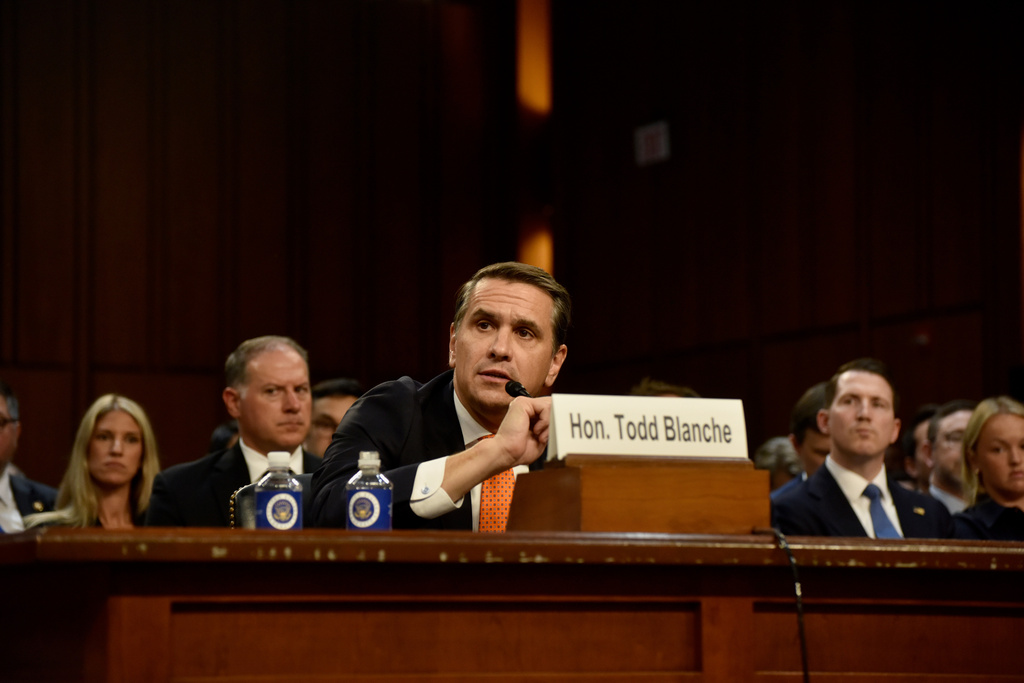
| The rundown: Todd Blanche's bid to become attorney general faced a potentially significant hurdle Wednesday when Senator John Cornyn of Texas emerged from his confirmation hearing saying he still has "some concerns" about the nomination. Here's how the hearing unfolded. | Why it matters: Cornyn, a Republican whose support could prove critical on the closely divided Senate Judiciary Committee, pressed Blanche over his role in approving an agreement that would shield President Trump, his family and his businesses from certain IRS audits. The exchange highlighted unease among at least some Republicans about Blanche's handling of politically sensitive matters. His nomination already faces a narrow path through the Judiciary Committee following the death of Senator Lindsey Graham, which left Republicans with an 11-10 edge on the panel. Cornyn and Senator Thom Tillis of North Carolina, also a lame duck, are the key Republican swing votes on Blanche's confirmation. With Democrats expected to oppose the nomination, even a single Republican defection could jeopardize Blanche's chances of advancing to a full Senate vote. | Read more in-depth coverage: | Epstein Files Update: JD Vance Admits Trump Admin ‘Screwed Up’ | What happens next? In a January 30 announcement, the Justice Department said it had published nearly 3.5 million pages responsive to the law, including more than 2,000 videos and 180,000 images, after reviewing roughly six million pages. Court rulings and bipartisan congressional criticism have focused on whether the department withheld records it should have produced, failed to give document-specific explanations for redactions, and blacked out names in records that Congress intended to become public. |
| | |
| | | | Economy | Gen Z Suffering Worst Inflation, New Data Shows |
| |
| | |
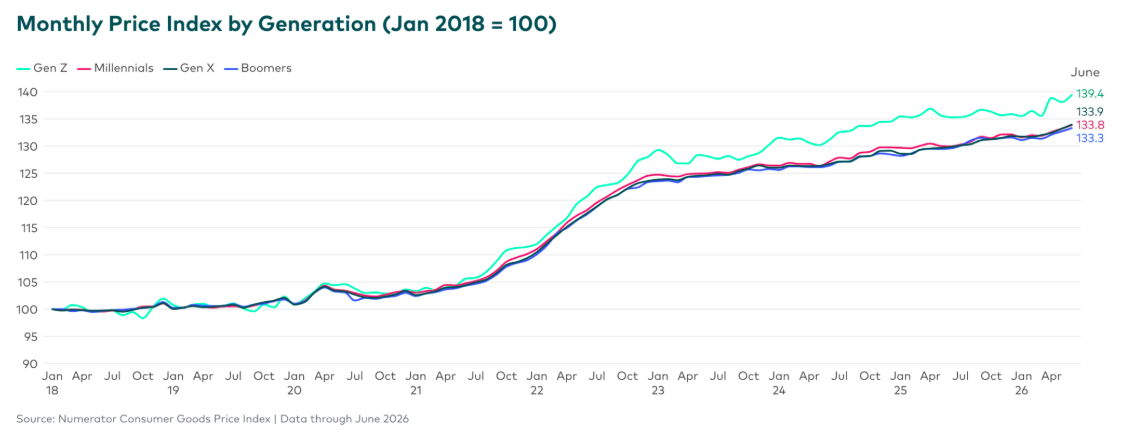
| The rundown: Generation Z is experiencing higher levels of inflation than other generations, new data from the consumer data and tech company Numerator has revealed. Here’s why. | Why it matters: The company released its June 2026 Consumer Goods Price Index on Monday which found that Gen Z consumers - those born between 1997 and 2012 - continue to experience higher levels of inflation for everyday household goods, as prices for the goods they purchase have increased by 39.4 percent since January 2018, while other generations face the national average increase of 33.8 percent. Discussing the data with Newsweek, Numerator senior economist Paul Stanley said that while many factors contribute to why Gen Z consumers, as well as low-income consumers, face higher levels of inflation, one key reason is because "quick-service restaurant inflation has been a notable driver." He said that both Gen Z and low-income consumers spend more money, or "over-index," on quick-service restaurants and prices in those restaurants have increased 54 percent compared to 33.8 percent across the market overall, "disproportionately raising their inflation experience." | Read more in-depth coverage: | Inflation Cools Sharply as Gas Prices Plunge | What happens next? According to Numerator's June 2026 Consumer Goods Price Index, prices for everyday household purchases have increased for three consecutive months. Analysts at the company said that while lower gas prices provided "some relief" in June, the "broader picture hasn't changed," as inflation continued to rise and place strain on lower-income households. |
| | |
| | | | Data centers | Trump Praises ‘Cash Cow’ Data Centers as His Neighbors Reject Major Project |
| |
| | |
| The rundown: President Donald Trump has thrown his support behind data centers, criticizing New York’s first-in-the-nation moratorium on the facilities, while proposals for an expanded 3.6-million-square-foot facility in Palm Beach were halted. Find out more. | Why it matters: New York Governor Kathy Hochul had announced on Tuesday a one-year pause on the building of new large-scale data centers, citing concerns about rising electricity demand, utility costs, environmental impacts, and pressure on local communities. In response, Trump wrote on his Truth Social platform on Wednesday that data centers are one of the biggest driving forces for jobs in the future, describing them as "cash cows" for the locations in which they are built. He said New York State had made a "terrible decision". Trump’s comments arrived the same day that commissioners in Palm Beach County, Florida, where his Mar-a-Lago estate is situated, voted 5-1 to reject a proposed expansion of a data center AI campus following months of local opposition, as reported by WPBF and WLRN. | Read more in-depth coverage: | New York Becomes First State to Halt AI Data Centers—Will Others Follow? | What happens next? According to reports, developers had already been granted approval for 1.2million square feet of warehouses and a 206,000-square-foot data center, but the new proposals sought to expand that. The proposal was rejected without prejudice, meaning developers can resubmit a revised application in the future, reported WPTV. |
| | |
| | | | Politics | Mike Lawler Reveals DWI Arrest as Republican Faces Swing Seat Challenge |
| |
| | |
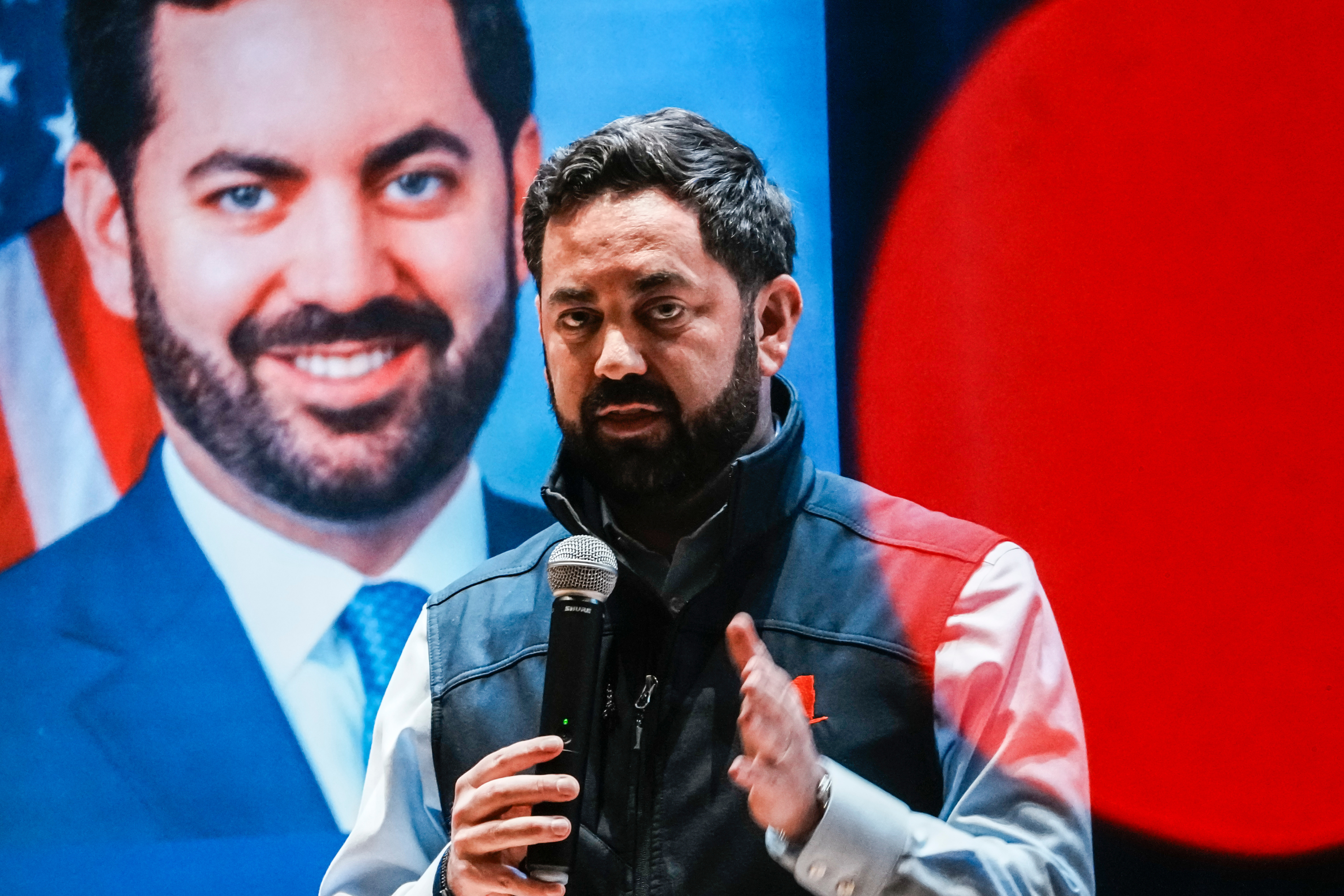
| The rundown: U.S. House Rep. Mike Lawler’s decision to publicly disclose a decade-old drunk driving arrest is adding a new personal dimension to one of the most closely watched congressional battlegrounds in the United States. Read more. | Why it matters: Lawler’s district is one of a small number of true battlegrounds remaining in the U.S. House map. Small shifts in turnout or candidate perception could tip the balance of power in Washington. Personal disclosures, especially in suburban districts, can matter at the margins—precisely where this race is expected to be decided. The New York Republican, running for reelection in the Hudson Valley’s toss-up 17th District, disclosed in a televised interview in July 2026 that he was arrested for drunk driving in Manhattan in 2012 after a night of drinking and failing a Breathalyzer test, later pleading to the lesser charge of driving while ability impaired. The admission lands during a tightly contested midterm race in a swing district that could help determine which party controls the House. Voters in New York’s 17th District—particularly suburban swing voters—are left to weigh personal conduct alongside economic and national political factors. | Read more in-depth coverage: | Abdul El-Sayed vs. Haley Stevens Chances of Beating Mike Rogers in Michigan | What happens next? With the general election still months away, the race is likely to be shaped by a combination of local campaigning, national trends, and new data. For now, the fundamentals remain clear: a highly competitive district, a polarized national environment, and an electorate that has shown a willingness to split its vote. |
|
|
|


No comments:
Post a Comment