EURACTIV
Turkey’s S-400 Gulf sale plan raises security concerns
Qatar, the United Arab Emirates and Saudi Arabia all host US military bases and operate American weapons systems, notes an intelligence official
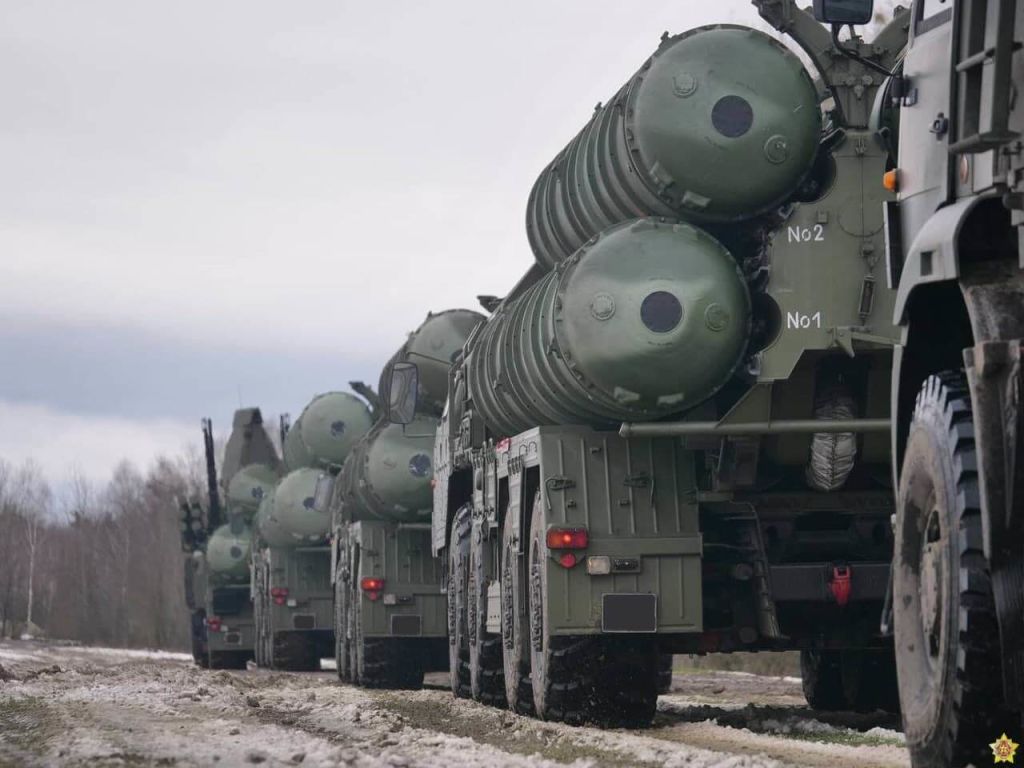
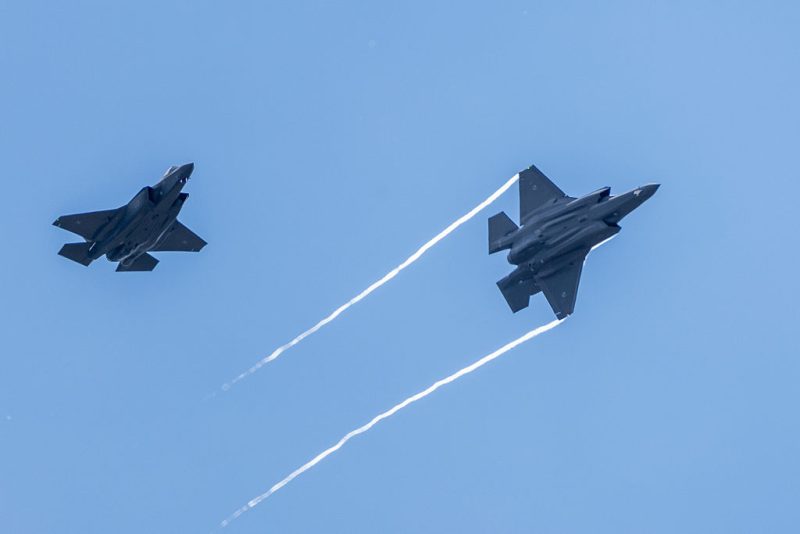
Turkey’s intention to sell its Russian-made S-400 air defence system to a Gulf state in order to pave the way for acquiring American F-35 fighter jets raises new security fears, according to a regional intelligence official.
Washington has long argued if Turkey operated US-built F-35 fighter jets alongside Russia’s S-400 air defence system on the same territory then it would allow Moscow to collect sensitive data on the West’s most advanced stealth aircraft, potentially compromising its capabilities.
Donald Trump, the US president, said at the NATO summit that he would support Turkey’s return to the F-35 programme, from which it has been excluded since 2020 following its purchase of the Russian air defence system.
The Turkish daily Hürriyet reported on 10 July that a deal had been reached to sell the S-400 to either Qatar or the United Arab Emirates. Kremlin spokesperson Dmitry Peskov said the matter was “highly sensitive” and confirmed that talks with the Turkish side were ongoing.
However, a regional intelligence official questioned how selling the S-400 to a Gulf state would reduce the risk of exposing American weapons systems to Russian technology.
Israel, Greece on alert as Turkey’s return to F-35 heats up
US President Donald Trump’s apparent determination to make Turkish President Recep Tayyip Erdoğan “happy” at…
4 minutes
“Qatar, the United Arab Emirates and Saudi Arabia all host US military bases and operate American weapons systems. Wouldn’t that still create a risk of sensitive information being exposed to Moscow?,” asked the official.
The official also said that Russia’s apparent willingness to discuss the sale of the S-400 to a third country raises questions about whether Moscow has shifted its approach towards Ankara and Washington.
“It appears Russia is willing to facilitate an arrangement that benefits both the Americans and the Turks. That seems at odds with the strategy it has pursued in the region so far,” the official said.
The possibility of a sale of the Russian equipment to a Gulf country is currently “being analysed”, a Russian diplomatic source confirmed to Euractiv, explaining that some security concerns remain to be resolved.
Contacted by Euractiv, the Russian Ministry of Foreign Affairs commented that the question falls outside its competence, suggesting that the final decision now lies in the hands of the Kremlin.
Russia could seek concessions from Turkey for allowing the re-sale of the system, according to an official from a regional country.
One of the Kremlin’s core demands is that Turkey continue to refrain from broadly aligning itself with EU sanctions against Russia. So far, Moscow has largely succeeded in keeping Ankara outside the Western sanctions regime.
During the early years of the war, Moscow was also frustrated by Ankara’s decision under the Montreux Convention to deny passage through the Turkish Straits to Russian warships whose registered home ports were outside the Black Sea.
Russia has also repeatedly pressed Turkey to curb its military assistance to Ukraine, the official said. In addition, Turkey remains a key transit hub for grain originating from Russian-occupied parts of Ukraine.
Both Israel and Greece have said they would oppose Ankara’s return to the F-35 programme.
“Israel will maintain its military edge over Turkey, even if Ankara acquires F-35 fighter jets,” Israeli Deputy Foreign Minister Sharren Haskel told the Greek daily Kathimerini.
(bw)

No comments:
Post a Comment