EU agrees to watered-down Russia sanctions amid Greek resistance
France, Italy, Germany, Portugal all chipped away at the measures, designed to pile pressure on Russia
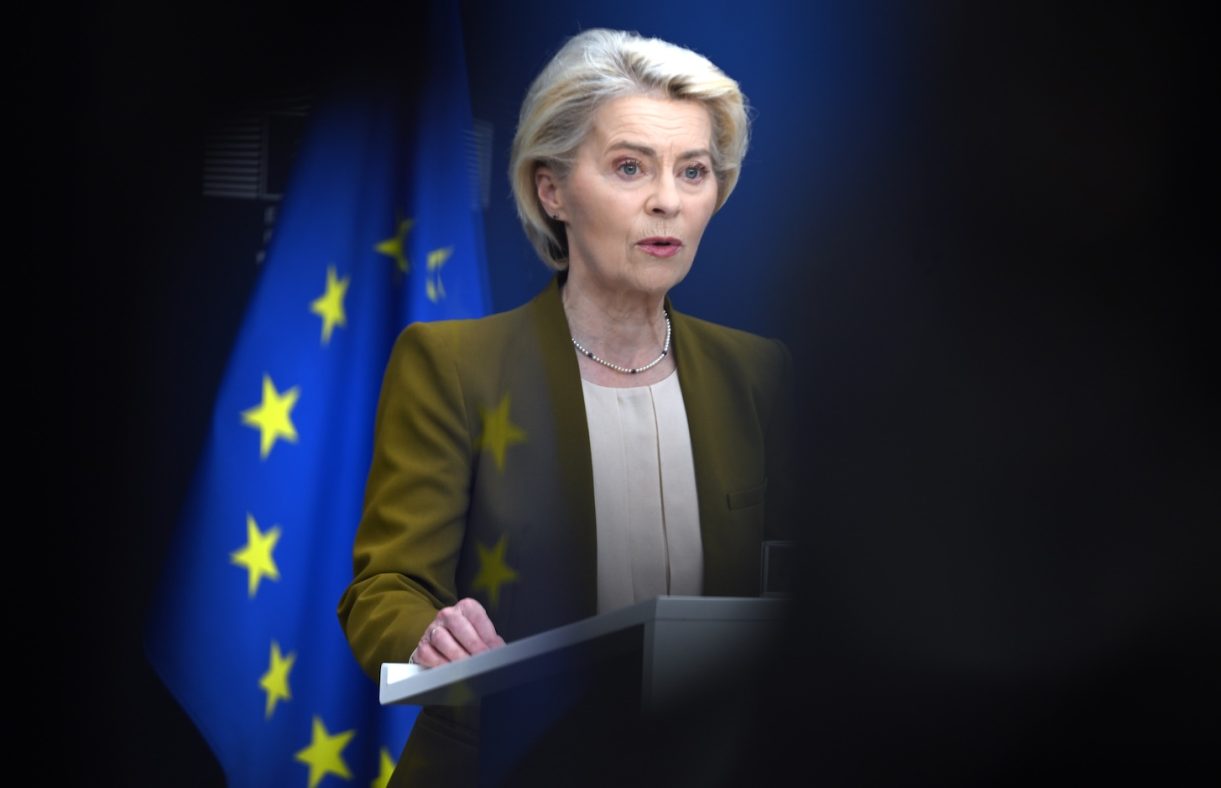
EU capitals have agreed to a significantly weakened package of sanctions against Russia, ending long negotiations in which several countries sought exemptions to protect national interests.
EU ambassadors signed off on the bloc’s 21st sanctions package on Thursday morning, breaking a deadlock that had dragged on since the Commission unveiled its proposal on 9 June.
Talks stretched into the final hours, with Greece emerging as the last holdout as it sought exemptions for its shipping industry.
Athens demanded an exemption allowing companies, including Greek LNG shipper Dynagas, to continue transporting Russian liquefied natural gas to non-EU countries.
Under the compromise brokered by Ireland, governments agreed to a renewable one-year exemption allowing companies to transport Russian LNG to third countries, annual reviews of the arrangement, and a 12-month freeze on any adjustment to the G7 oil price cap, according to several diplomats.
The compromise still requires the formal approval of all 27 member states.
Oil cap
EU governments had been racing to resolve the impasse before the current freeze on the G7 oil price cap expires on Thursday.
Last week, EU capitals agreed to extend the deadline to buy time for a breakthrough, and then pressured Greece to accept a longer freeze in exchange for being allowed to continue to ship LNG.
The Commission initially proposed a 6-month freeze, which bars EU firms from servicing Russian tankers selling crude above a certain price.
Without a deal, the cap risked automatically rising at $58 a barrel, above its current level of $44, potentially handing the Kremlin a windfall by allowing Russia to earn more from its oil exports.
“At a time when Ukraine has built military momentum, our sanctions continue to weaken the economic foundations of Russia’s war effort,” Ursula von der Leyen, the European Commission president, wrote on social media.
The one-year oil price cap freeze would ensure that “the Russian war machine does not benefit from market shocks”, she added.
Capitals gut next EU sanctions package against Russia
EU countries are set to approve a hollowed out proposal from the European Commission to…
3 minutes
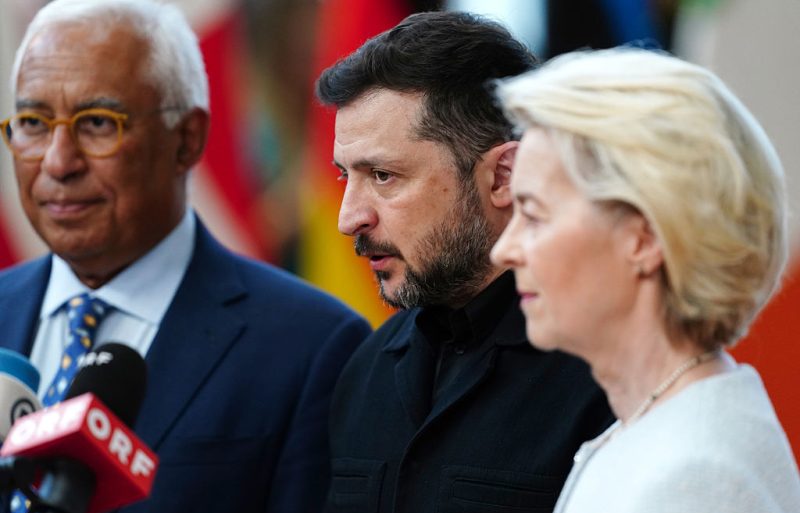
The package, which diplomats initially described as one of the bloc’s most ambitious, emerged from negotiations significantly diluted.
A Baltic push to ban Russian soldiers from entering the bloc was severely diluted after France, Italy and Greece pushed back, narrowing its scope to short-stay visas and limiting the criteria from general participation in the war to direct involvement in combat or military operations.
The negotiations had also been delayed for weeks over Austria’s insistence that Raiffeisen Bank International be allowed to access frozen Russian assets to offset losses stemming from legal claims in Russia. The issue was ultimately kicked into a recital in the legal text, with member states agreeing to revisit it later.
Countries gutted plans to phase out Russian fish imports amid resistance from Germany, Poland, and Portugal.
Bulgaria, meanwhile, blocked efforts to sanction Patriarch Kirill, the head of Moscow’s Orthodox Church, ensuring his removal from the blacklist.
Despite the concessions, the package still blacklists around 250 additional individuals and entities.
The article has been updated to include additional details on the oil price cap and von der Leyen’s comment.
(mm)

No comments:
Post a Comment