NEWSWEEK - News Article
Donald Trump’s Approval Rating Falls Below 30% For First Time Ever
PUBLISHED
SEP 21, 2026 AT 10:34 AM EDT
UPDATED
SEP 21, 2026 AT 03:46 PM EDT


President Donald Trump's approval rating dropped below 30 percent for the first time across both his White House terms Monday, as the midterms draw closer.
The new poll, from American Research Group, conducted September 16-20 among 1,100 American adults, showed the president with a 29 percent overall approval rating, with positive views on the economy at 26 percent.
Overall, 72 percent of those surveyed said they felt the U.S. economy was getting worse amid rising gas and grocery prices despite the Trump administration's insistence that those pressures are still largely down to the previous administration.


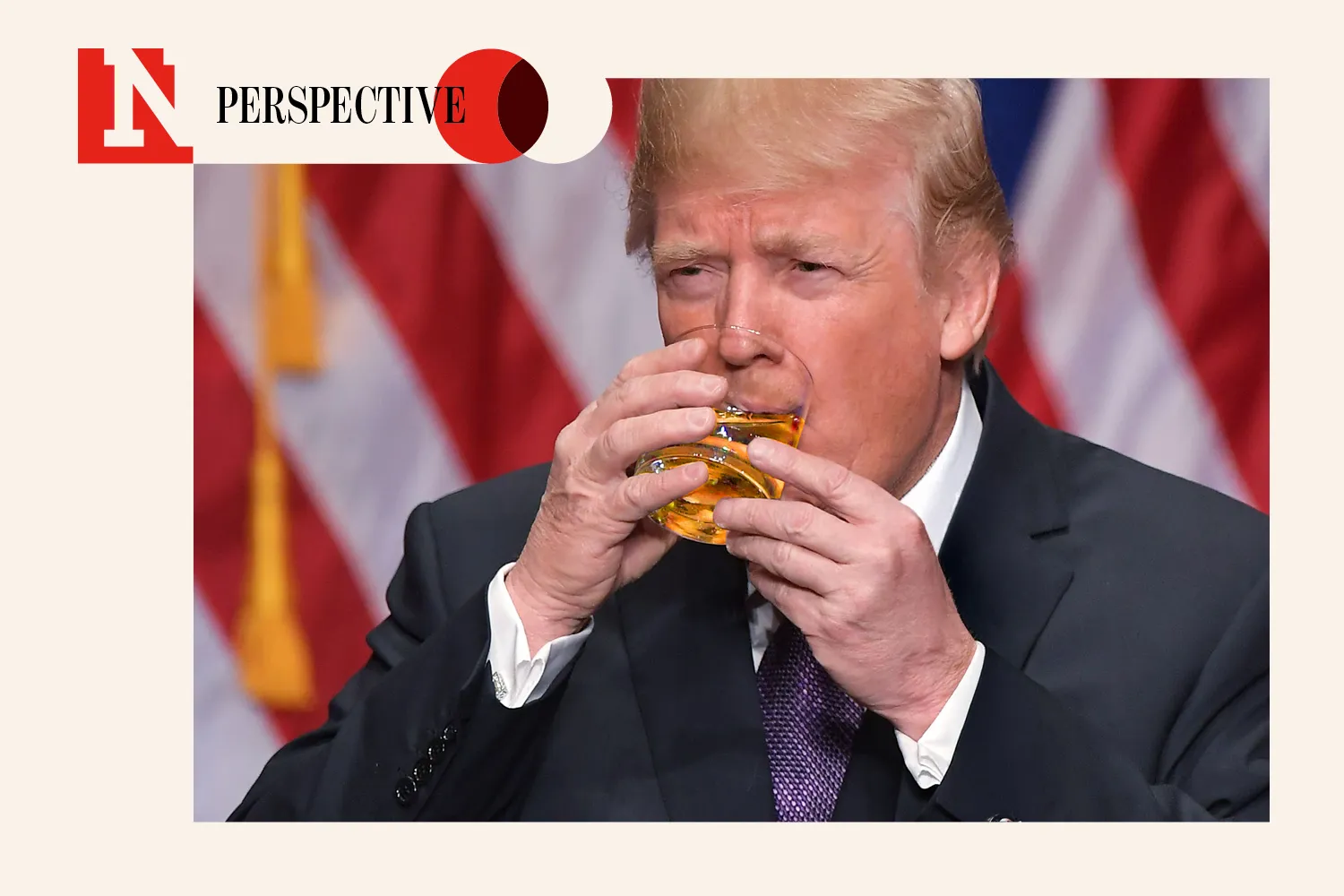
By comparison, other recent polls have generally shown Trump with approval in the mid-to-high 30s, although that has differed depending on policy areas.
The last time a president's approval was in the 20s was President George W. Bush at the end of 2008, per Gallup's presidential approval tracker.
"This poll is an outlier, as others are not as bleak for the president, but overall it's pretty clear that Trump's numbers are worse now than they were eight years ago," Kyle Kondik, from the University of Virginia's Center for Politics, told Newsweek. "Dissatisfaction with the economy/inflation is probably the biggest reason why."
Newsweek reached out to the White House for comment Monday morning.
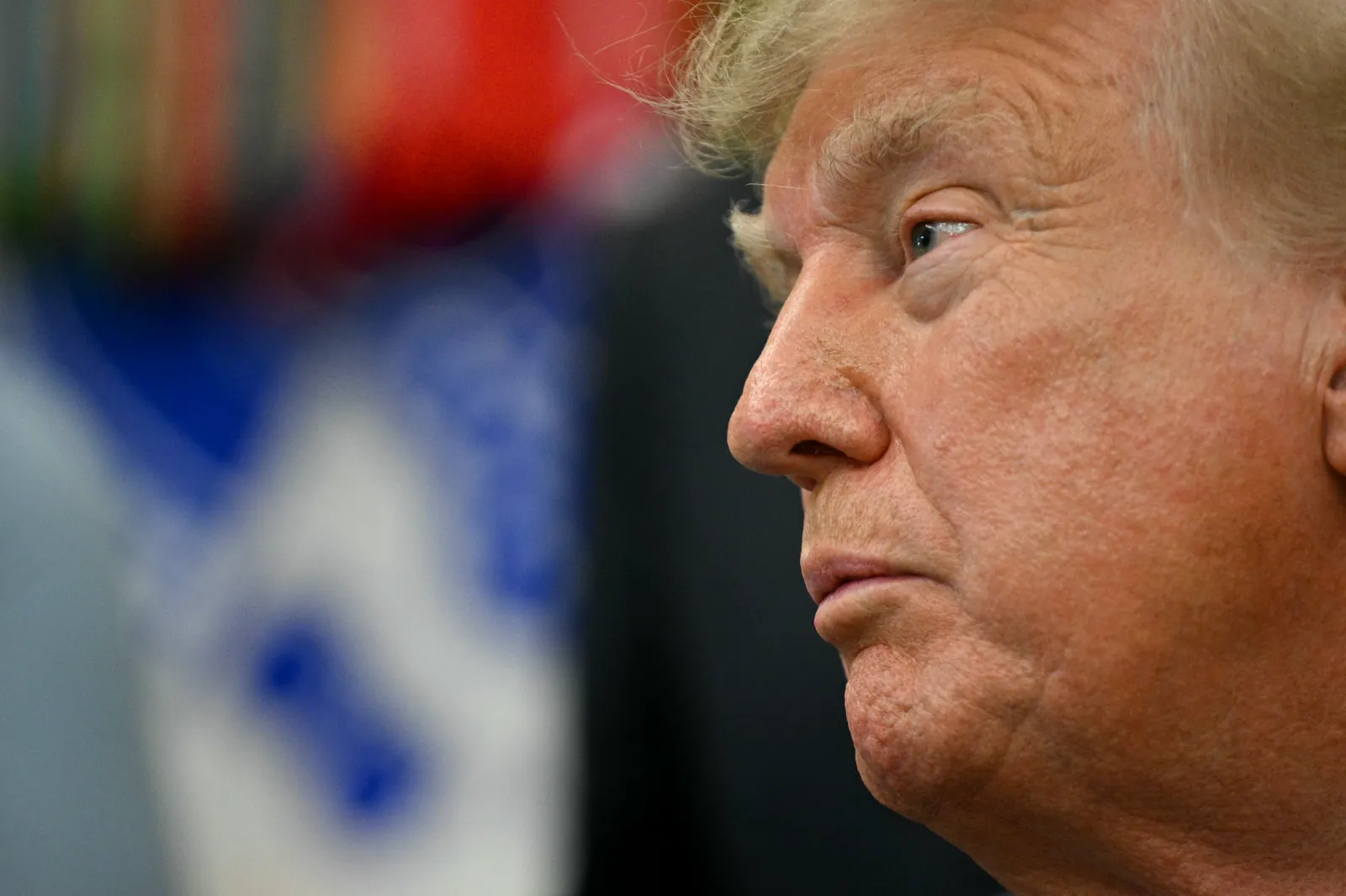
Trump's New Approval Rating: What To Know
The ARG survey released Monday showed 68 percent of voters disapproved of the job Trump was doing, up 2 percent from the August survey.


The 1600
Just 1 percent of Democrats asked approved of Trump, compared to 65 percent of Republicans asked and 26 percent of independents.
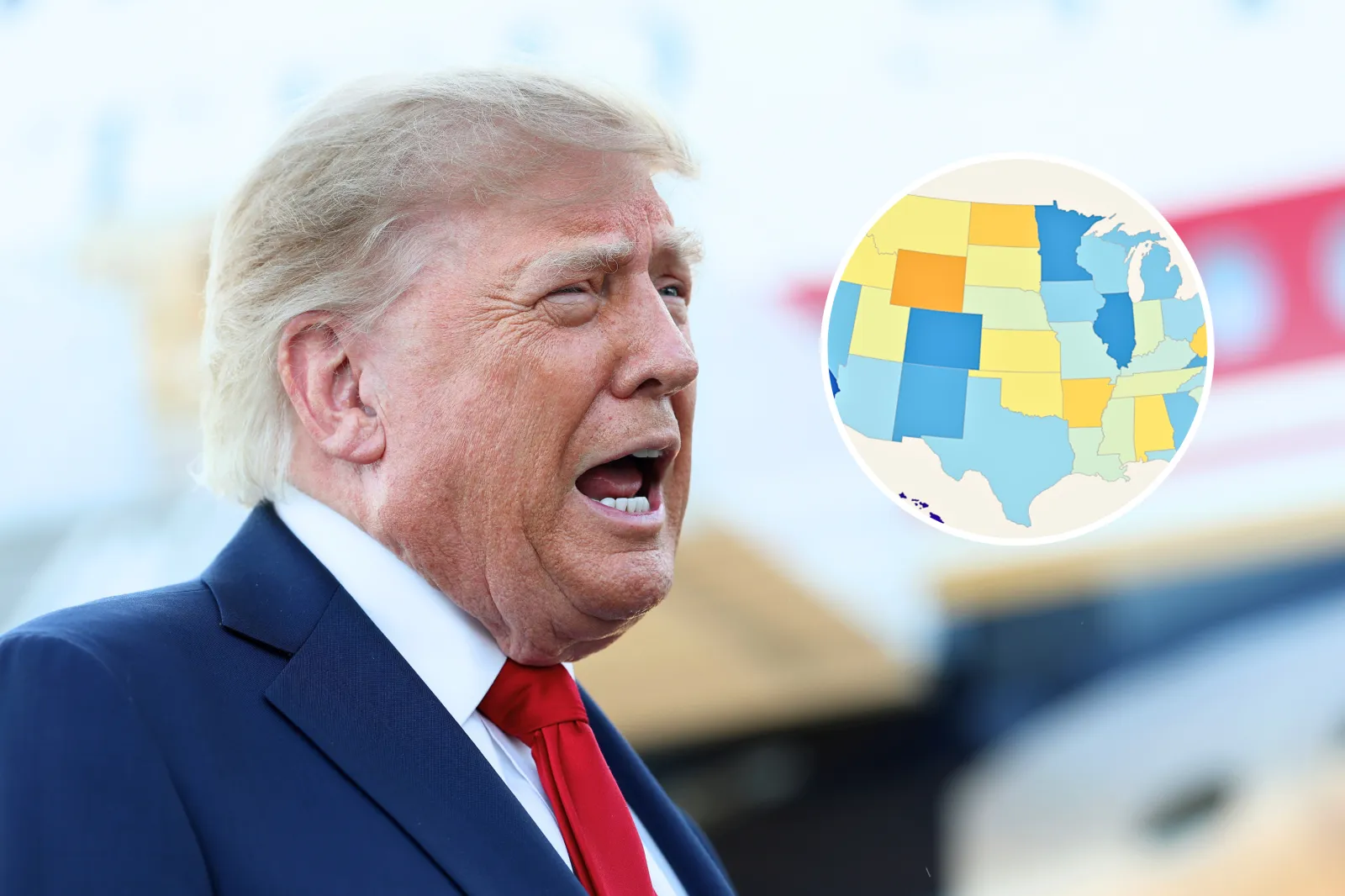
The survey comes as other data show the president received overall positive feedback from only nine states: Wyoming, North Dakota, West Virginia, Arkansas, Alabama, Idaho, Kansas, Oklahoma, and Montana.
On the economy, views were less favorable, with 71 percent disapproving of the president's handling, up from 69 percent the previous month. Just 6 percent of those surveyed said they expected the economy to improve over the next year, while 70 percent predicted it would be worse.
These figures could be seen as the greater blow to a president who has often touted his economic policies and promised Americans a "golden age."
Personal finances in particular appeared to be an area of concern for those surveyed. Fewer than 20 percent viewed their household finances positively, compared to the 75 percent viewing them negatively.
In February 2025, shortly after Trump's return to the White House, nearly half of Trump's approvers believed the economy would improve, meaning that optimism has largely vanished.
"For the past five or so years, consumers have been clear that cost-of-living is the dominant factor driving their views of the economy," Joanne Hsu, research associate professor at the University of Michigan's Institute for Social Research, told Newsweek.
"Our surveys show that views of the economy have deteriorated across the country since the start of 2025, in large part because consumers perceive that their purchasing power has declined. Moreover, consumers worry that relief on this front is unlikely to be imminent."
Another poll released Monday came from Reuters/IPSOS, showing Trump with a 32 percent approval rating. The poll, carried out September 17-20, showed 73 percent of Republicans asked approved of the president's work, down from 82 percent a week earlier.
How Other Presidents Compare
According to Gallup's tracking of presidential approval ratings dating back decades, the last time a president's rating fell below 30 percent was during the global financial crisis of 2008, when Bush was coming under increasing scrutiny in the lead-up to the election that year.
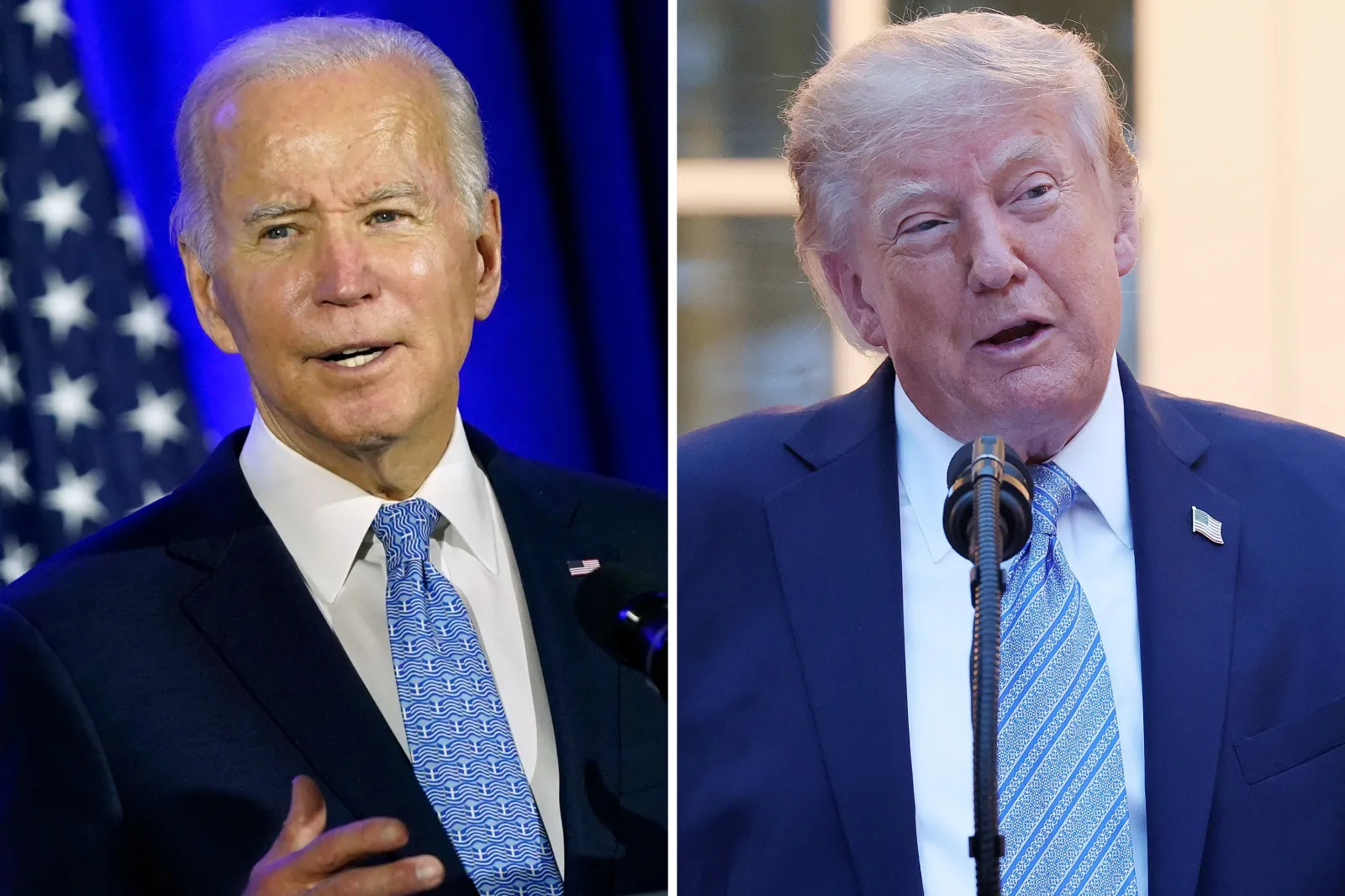
On average, over their terms, President Barack Obama had a 48 percent approval rating, with President Joe Biden at around 42.2 percent.
During his first and second terms, Trump has averaged around 41 percent. When he left the White House the first time, he was at around 34 percent.
Growing Economic Concerns
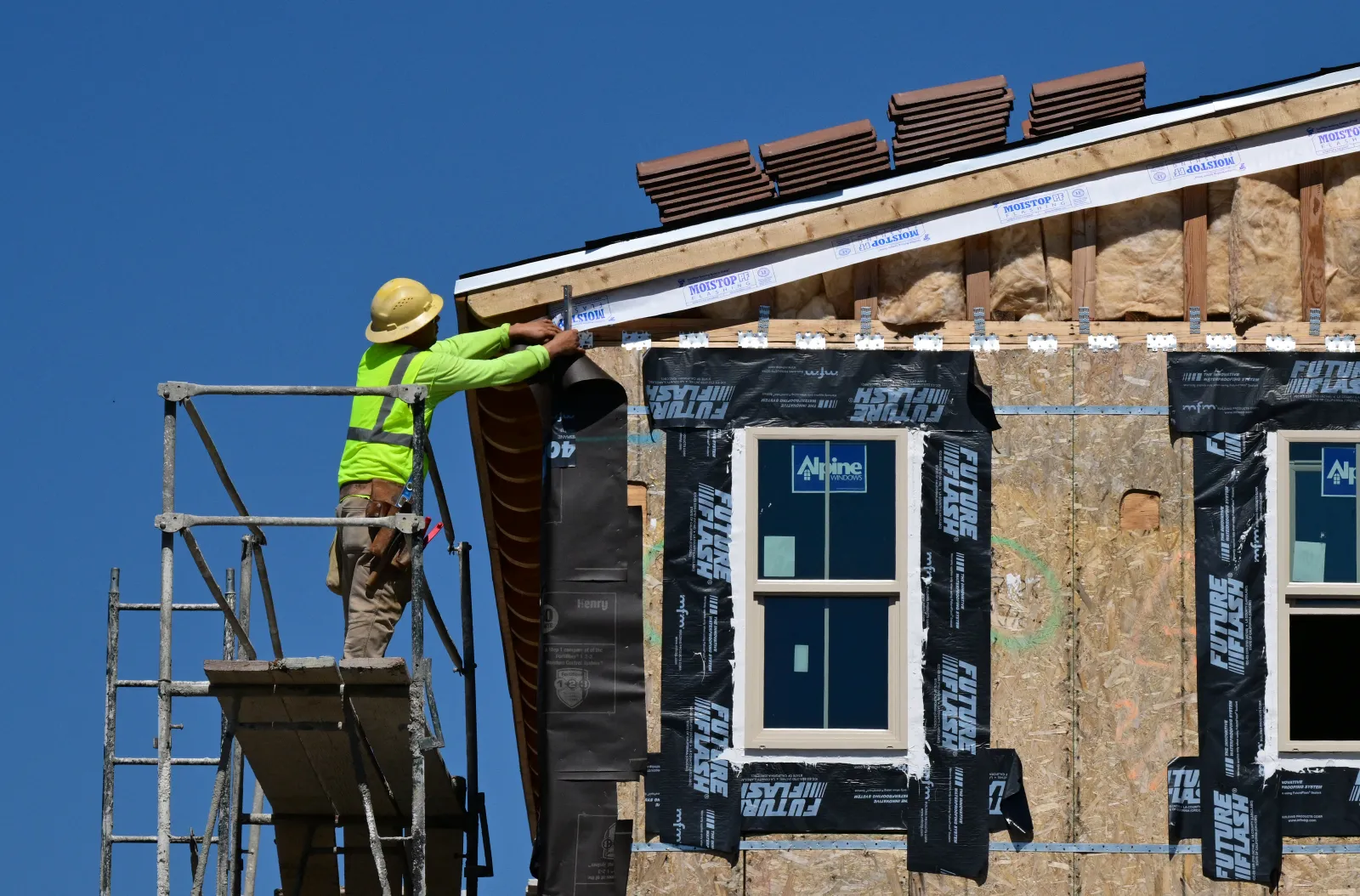
In recent months, particularly since the outbreak of the war with Iran, consumers have increasingly raised concerns about the cost of living.
Multiple polls outside the ARG survey have shown growing economic pessimism. An NBC News poll released Sunday found 55 percent of voters believed Trump's policies have hurt the U.S. economy. A Fox News poll conducted September 11-14 also found less than a quarter viewing the economy in a good light.
Trump and other senior administration officials have either dismissed or sought to reframe the data, including White House economic advisor Kevin Hassett, who said in a Sunday interview that the U.S. was enjoying "a really strong economy," arguing prices were declining.
The latest inflation report from the Department of Labor, released earlier in September, revealed that inflation remained elevated in August, with consumer prices having risen 3.4 percent over the past 12 months.
What Happens Next
Trump urged Republicans to treat the midterms in November as if he were on the ballot when he spoke to the party's convention a few weeks ago. That messaging could backfire, with recent CBS News polling showing the president's endorsement of a candidate would lead 48 percent of those asked to reconsider their vote.
Now, Trump and Vice President JD Vance are touring the country seeking to drum up enough support to keep the House and the Senate under their party's control.
Vance recently asked voters to give the administration another chance to deliver on their 2024 promises, while Trump-aligned groups are increasing their campaign spending and the White House has sought to tout its achievements over the past 19 months.
Is This Article Fair?
Whether that messaging works remains to be seen, with Democrats gaining ground in predictions on who will gain control of Congress.
Newsweek’s reporters and editors used Martyn, our AI assistant, to produce this story. Learn more about Martyn here.
Contact Newsweek editors on this story: Jason Lemon and Gray R. Thomas










No comments:
Post a Comment