analysis
Putin’s Friendship Tax Is Coming Due
Published
Sep 01, 2026 at 12:13 PM EDT
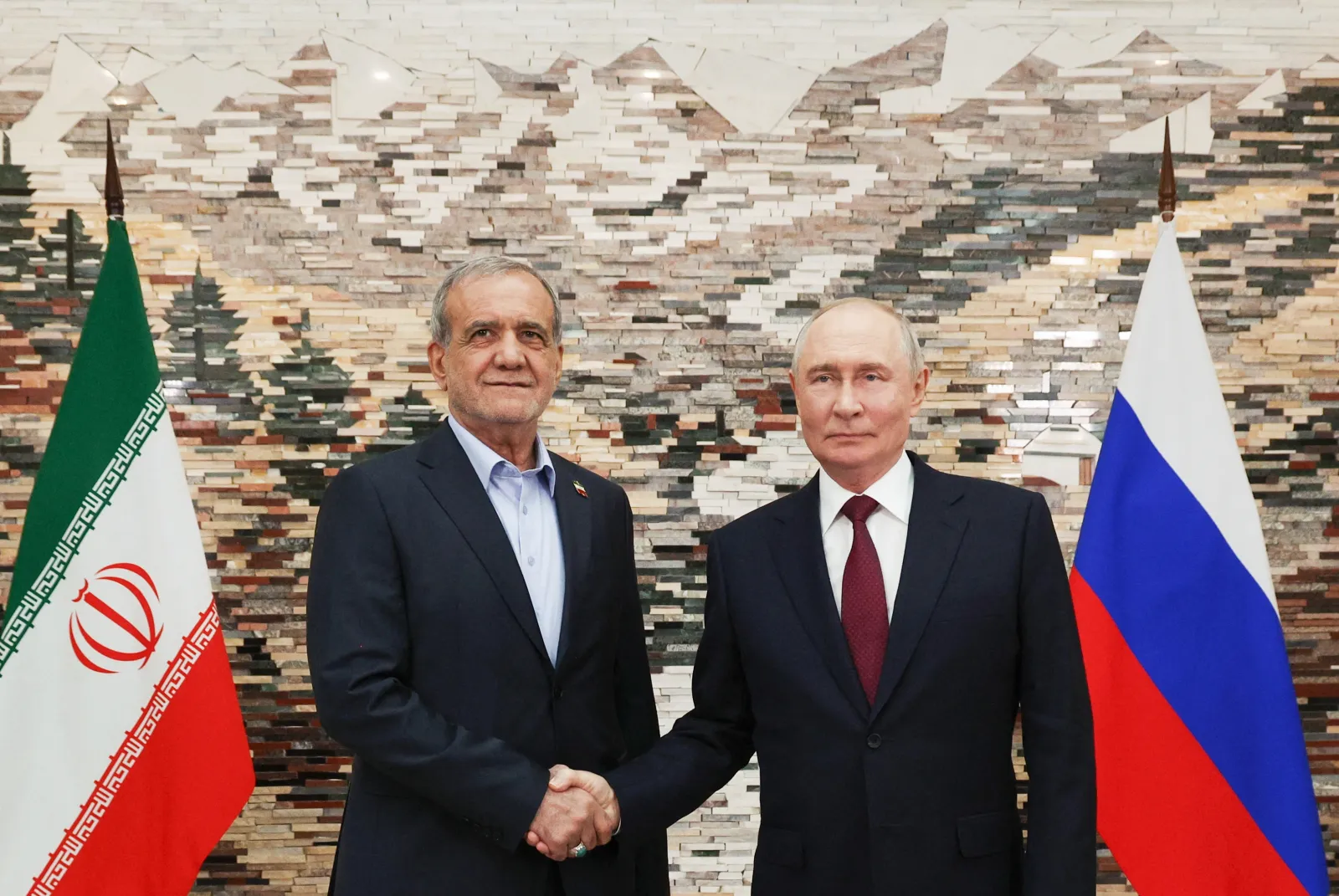

Russian President Vladimir Putin has been among friends this week at the Shanghai Cooperation Organization (SCO) summit in Bishkek, Kyrgyzstan. Friends with benefits—and costs.
Putin has spent years cultivating an anti-Western bloc only to see China’s Xi Jinping emerge as the de facto leader of this counterbalance to American hegemony. Analysts said before the summit that SCO leaders wanted Bishkek to look like a show of strength aimed at Washington.
Moscow has deepened strategic ties with China and Iran across trade, diplomacy, the military, and more. But Russia, under the heavy strain of Putin’s war in Ukraine, and isolated almost entirely by the Western world, has become increasingly dependent on this smaller group of now-indispensable partners.
Such was clear on Tuesday, when Putin met with Iranian President Masoud Pezeshkian at the SCO, telling his counterpart from Tehran that Moscow stood in solidarity with the Iranian people during the United States and Israel's war. Putin said Russia and Iran would preserve economic and trade ties despite the current “military and political environment.”
The U.S. and Iran had exchanged fire for the first time in a month just hours earlier, and President Donald Trump had warned of further strikes.
Pezeshkian, meanwhile, used the gathering to say Iran was prepared to return to a June ceasefire arrangement with the U.S. if Washington also fulfilled its commitments, illustrating how even a close Russian partner retains its own diplomatic calculations.
The timing adds significance to those Russian relationships. Russia is at a stalemate on the battlefield in Ukraine, burning through men and metal with no clear end in sight.
The Center for Strategic and International Studies (CSIS) security think tank estimates Russia suffered about 1.4 million battlefield casualties, including as many as 450,000 deaths, between February 2022 and June 2026 and says Russian-controlled territory shrank by a net 400 square kilometers during April and May.
Kyiv’s forces are hitting deeper into the Russian economy, from Wildberries e-commerce warehouses to oil and gas infrastructure, causing shortages that are stretching the patience of ordinary Russians.
Russia’s key interest rate stood at 14 percent at the end of August. The federal budget recorded a 6.455 trillion-ruble deficit equal to 2.8 percent of GDP through July as oil and gas revenues fell 16.8 percent from a year earlier.
Putin knows Russia is suffering and struggling, which is why he is moving to escalate his war in Ukraine, and perhaps even his hybrid war against the NATO allies supporting Kyiv—because his other option is admitting a kind of defeat.
But Putin is pushing for escalation just as most of his key partners are calling for de-escalation. That puts him in a vulnerable position. Russia needs these friends more than ever. But the friendship tax will soon come due for Putin.
China’s Sheer Size Turns Partnership Into Leverage
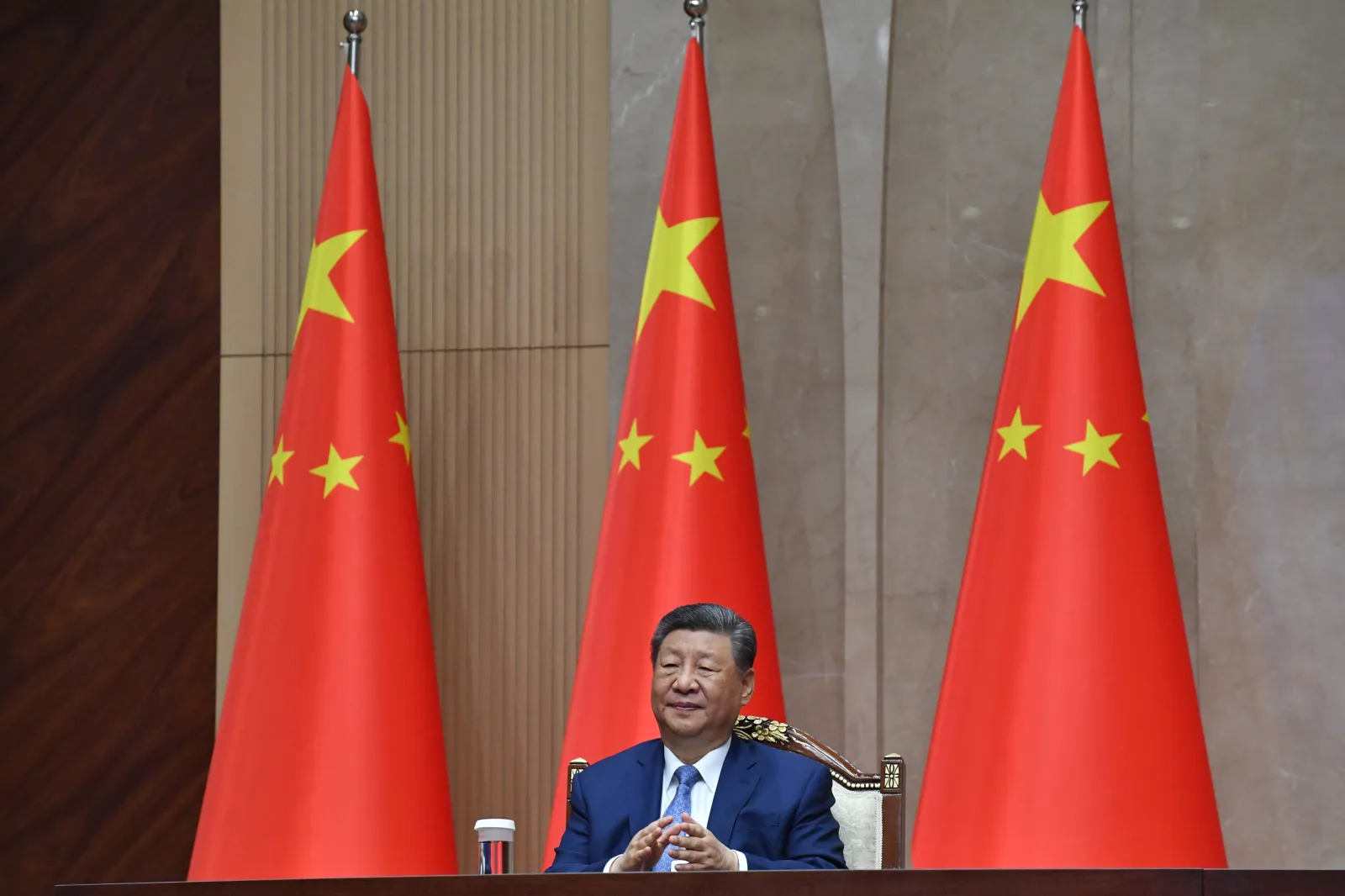
Xi showed the durability of Putin’s post-2022 diplomacy, telling him on August 31 that bilateral cooperation had maintained “robust momentum” and predicting a more solid foundation for the relationship.
Yet the economic relationship is highly asymmetric: Carnegie Russia Eurasia Center director Alexander Gabuev estimated last year that China supplied more than 40 percent of Russian imports and accounted for more than 30 percent of Russia’s export revenues.
That concentration gives Beijing room to choose where cooperation advances, and where it stops. This is why so many of Ukraine’s Western partners are lobbying China to put the brakes on Russia’s war.
For now, China values Russia too highly. Putin’s May visit to China produced 42 signed documents and much heraldry of their deepening strategic partnership.
But agreements Moscow had sought on constructing the Power of Siberia 2 gas pipeline and selling gas through it were absent. Kremlin spokesman Dmitry Peskov said the two sides had not agreed on a clear implementation timetable.
By July, the price gap between the two sides had grown so wide that Beijing had reportedly told Moscow to stop raising the subject altogether.
China can therefore deepen its strategic relationship with Russia while retaining the ability to wait on projects Moscow wants more urgently. It shows who the senior partner is in that relationship. Moscow needs Beijing more than Beijing needs Moscow.
That imbalance has one counterweight: Gabuev has also credited Indian oil purchases as the only thing keeping Russia from near-total dependence on China.
India Can Buy Russian Oil and Disagree With Putin
India creates a different constraint because its value to Moscow rests partly on New Delhi’s willingness to pursue an independent foreign policy despite heavy U.S. pressure, including secondary sanctions.
Russian crude supplied a record 50.83 percent of India’s oil imports in July, or 2.47 million barrels a day, according to trade data reported by Reuters.
A few weeks later in Bishkek, Prime Minister Narendra Modi called Putin “my friend” and praised the countries’ expanding economic relationship. But then he told the Russian leader, to his glum face, that the Ukraine war needed to end for humanity’s sake and that India would continue supporting peace efforts.
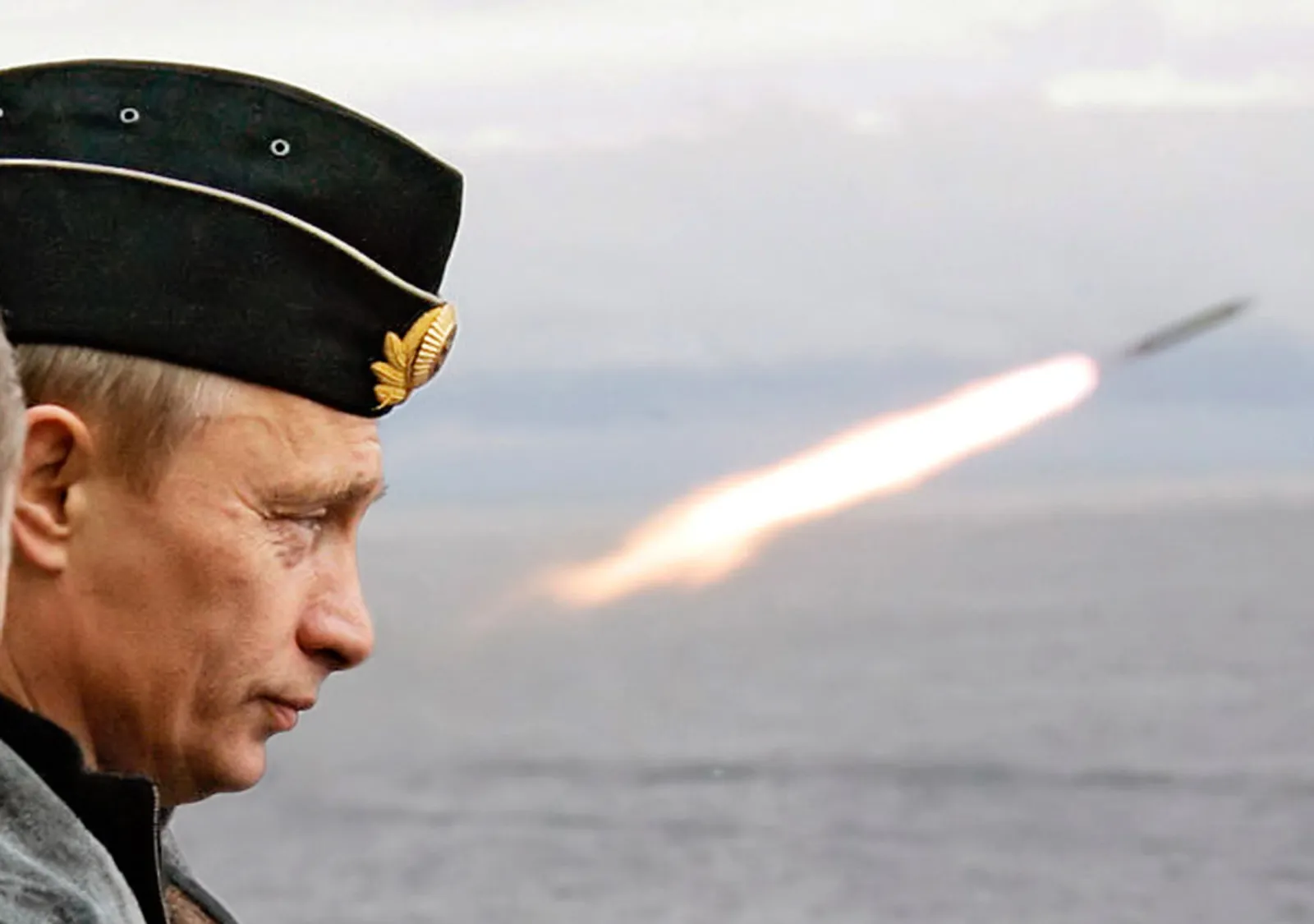
Putin’s reply was notably vague: only a thank-you and a promise that Russia was “moving forward along this path.”
The combination captures Moscow’s customer problem. Russia benefits from Indian demand at a scale that gives New Delhi little reason to convert commerce into political obedience.
India can remain an important buyer while publicly maintaining a position on Ukraine that Moscow does not share. It also exposes Russia to an Indian decision to pivot purchases away, either voluntarily or under renewed American economic pressure.
Iran Brings Entanglement Without Automatic Defense
Iran has supplied another kind of value to Moscow.
CSIS said in July that Iranian Shahed drone technology was among the forms of partner assistance Russia had been able to absorb relatively efficiently, and it has used them to deadly effect against Ukraine.
Carnegie, another think tank, has documented a broader exchange of weapons and military equipment between Moscow and Tehran since 2022.
The relationship also has a clear limit. The countries’ comprehensive strategic partnership calls for deeper security and defense cooperation. But Article 3 says that if either party suffers aggression, the other must withhold assistance from the aggressor and help seek a settlement under international law; it contains no automatic requirement for Russian military intervention on Iran’s behalf.
Russia’s treaty with North Korea, by contrast, commits each side to military assistance “by all means in its possession” the moment the other is attacked.
Putin’s solidarity language in Bishkek therefore sits beside a deliberately bounded legal commitment.
Moscow gains from cooperation with Tehran while also having to manage the strategic consequences of an Iranian government facing direct military and economic pressure.
When solidarity extends little beyond words, drones, and perhaps some intelligence sharing when the Americans aren’t looking, it looks like a pretty hollow partnership.
Moreover, its reliance on Iranian drone technology in Ukraine is under the stress test of an American war against Iran. Can the shipments keep coming while the regime in Tehran is trying to cling to its control of Iran?
North Korea Makes Reciprocity Concrete
North Korea, not an SCO member and absent from Bishkek, represents Russia's most tangible military dependency.
CSIS’s Korea Chair estimates Pyongyang has transferred more than 15 million artillery shells and deployed roughly 14,000 to 15,000 troops to support Russia, assistance it attributes to Russia’s demand for ammunition and North Korea’s demand for food, energy and military technology.
Russia officially acknowledged North Korean troop deployments in April 2025, and both countries have publicly emphasized their growing cooperation.
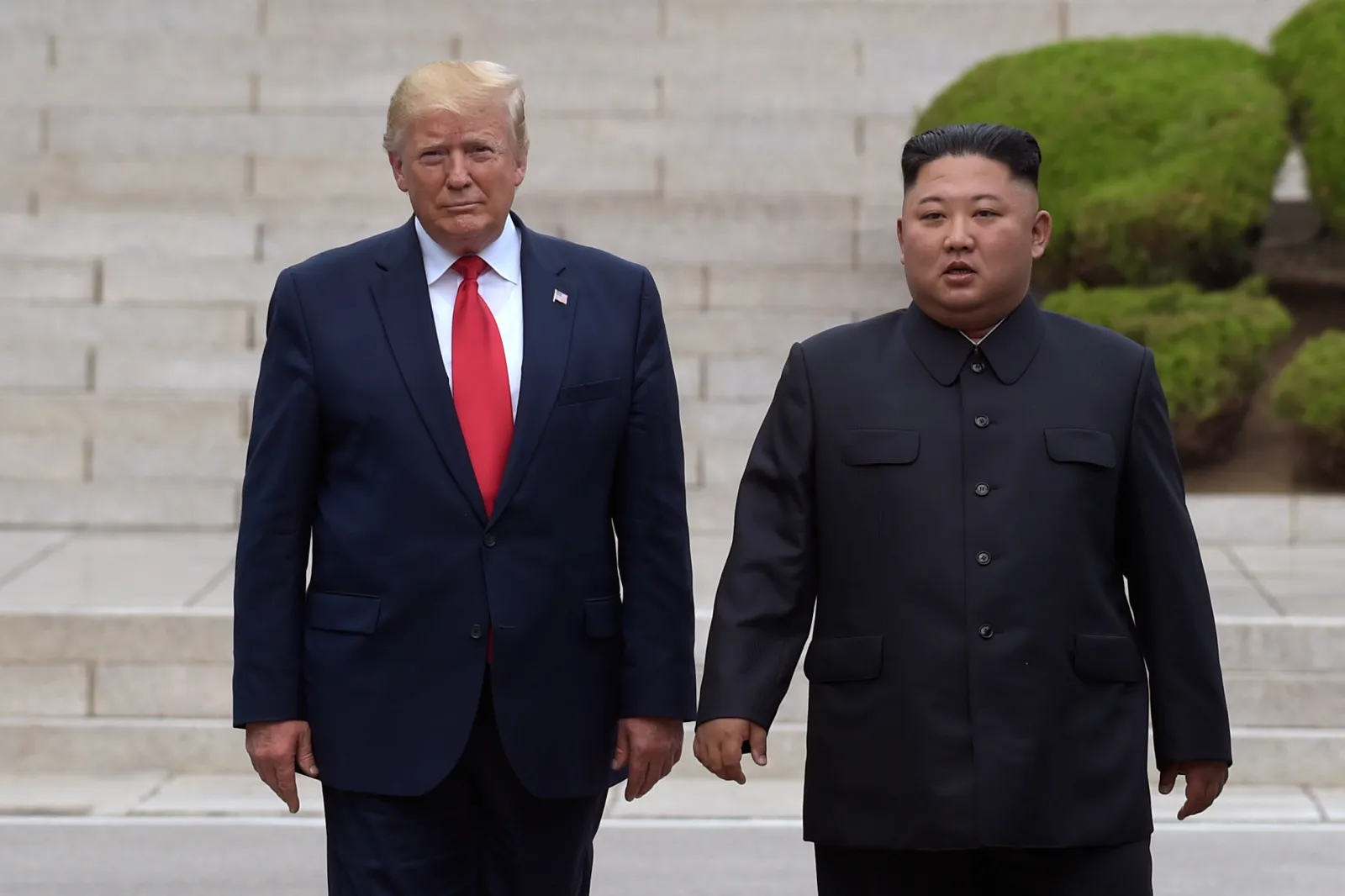
The same relationship can strengthen Pyongyang. CSIS assesses that Russian military technology could advance North Korean satellite, submarine and intercontinental ballistic missile programs, while the countries’ 2024 strategic partnership formalized their security relationship.
The more useful North Korean ammunition and personnel become to Russia’s war effort, the greater the importance of what Moscow is prepared to provide in return.
Moscow will need to keep supplying North Korea with what it wants and needs to maintain a flow of troops and ammunition for its war in Ukraine. The more it needs North Korea, the greater Pyongyang’s leverage in setting the price.
NATO Turkey Benefits From Russia’s Narrower Options
Turkey shows how leverage can grow inside a relationship where both sides remain dependent on each other.
Turkish President Recep Tayyip Erdogan, whose country remains a NATO ally, attended the SCO gathering in Bishkek and said Turkey would seek to expand cooperation with the organization.
He has previously floated the idea of full SCO membership, which would make Turkey the first NATO member to join the bloc.
Carnegie found that Ankara maintained ties with both Moscow and Kyiv after Russia’s 2022 invasion, rejected Western sanctions on Russia and became an important commercial gateway for Moscow. Its 2024 assessment said the war had shifted the bilateral balance toward Ankara as Russia’s alternatives narrowed, while Turkish energy routes gave Ankara additional leverage over Russian access to European gas markets.
Turkey still relies heavily on economic and energy ties with Russia, making the relationship interdependent.
Moscow’s reduced alternatives, however, increase the value of Erdogan’s cooperation. That is awkward for Putin and useful for NATO, though Erdogan will want to increase Turkish influence inside the alliance if it wants him to help end Russia’s war.
Putin's Partnerships Are Working—For Now
Despite the vulnerabilities these relationships create for Putin, they are also paying off.
CSIS concluded in July that Chinese, Iranian and North Korean support had proved “essential to Russia’s war machine," even as it argued that Russian institutions often struggle to exploit some forms of foreign assistance fully.
India has continued buying Russian crude in huge volumes, China remains Russia’s largest economic lifeline, and Turkey has preserved channels that much of the Western world closed.
So Moscow has successfully built alternative channels for commerce, military supply and diplomacy and preserved enough strategic freedom to continue pursuing its own policies. Xi’s description during his meeting with Putin of a relationship with “robust momentum” reflects that view from Russia’s most important partner.
But the analytical question is how replaceable those channels are.
Can Russia develop credible substitute markets and suppliers, secure major projects such as the Power of Siberia 2 pipeline on acceptable terms, and reduce the military importance of Iranian and North Korean inputs?
Or will the war continue to consume resources while Moscow’s alternatives remain narrow and its partners retain the ability to withhold deals, set commercial terms, or demand greater reciprocity?
A signed, dated construction schedule for Power of Siberia 2 would be the clearest sign Moscow is winning that argument; continued silence on the pipeline, alongside record Chinese and Indian purchases made on their own terms, would suggest Putin is not.
Bishkek has demonstrated that Putin can still assemble powerful partners despite years of Western pressure.
His next test is Russia’s ability to replace any one of those relationships at an acceptable cost. Moscow may have built greater strategic autonomy. Or he may have exchanged one set of dependencies for an even narrower one.

No comments:
Post a Comment