| Read in browser | ||||
 Nations failed to strike a new climate deal at the COP31 summit in Turkey, after tense deliberations ran past Friday’s deadline and last-ditch talks ended in acrimony on Sunday. This is the first major breakdown in years for the UN-backed climate summits. In today’s special newsletter, our team on the ground examines four factors that doomed the talks and what that means for global climate diplomacy. Also, we take a look at the conference’s breakout star: Panama’s environment minister, who emerged as a vocal critic of fossil fuels. Subscribe to Bloomberg.com for unlimited access to all our coverage. Why did COP31 talks collapse?By John Ainger, Jennifer A Dlouhy A little over two weeks ago, delegates from nearly 200 countries arrived in Antalya, Turkey, in search for a response to the inevitability that global temperatures would breach the key 1.5C goal of the Paris Agreement. By the bitter close of COP31, a divide over fossil fuels — the primary cause of that warming — proved to be unbridgeable. So how did he world’s most prominent forum for addressing climate change end in paralysis? These four factors combined to produce the deadlock. 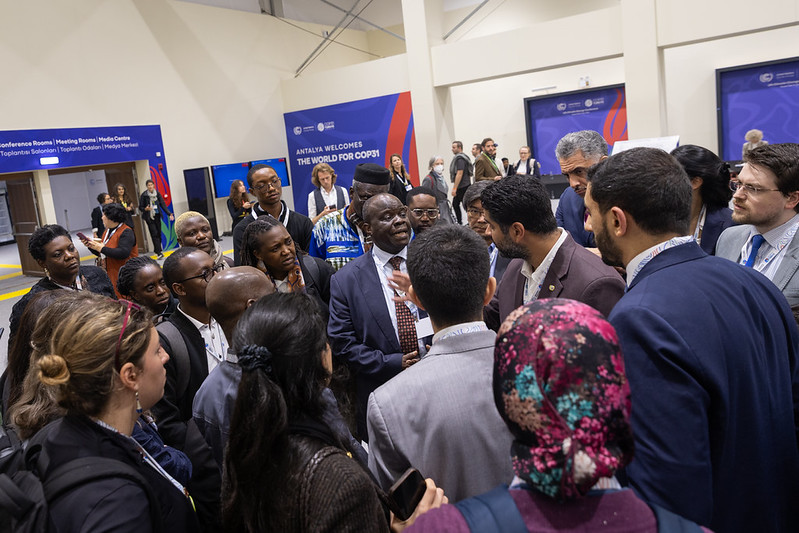 Negotiations at COP31 in Antalya, Turkey on Nov. 21, 2026. Photographer: Kiara Worth/UN Climate Change 1. An enduring split over fossil fuels, and a new rupture over carbon capture The key outcome of this year’s summit, the so-called cover decision, collapsed after the European Union and its allies said they couldn’t support a deal that pandered to the fossil fuel industry. At its heart, the no-deal faction took issue with two things. First, in a familiar fight, accelerating the transition away from fossil fuels didn’t receive a single direct mention in the text. That meant the text wouldn’t go as far as the landmark deal struck three years ago in Dubai at COP29, which delivered a consensus around that pledge for the first time. But arguably the bigger issue was how the text referred to carbon capture and storage, a technology that some see as diverting attention from the need to ditch oil, gas and coal. The final text put forward by the COP31 presidency called for increasing the technology to “gigaton” scale by 2035. That proved the final straw for EU negotiators. 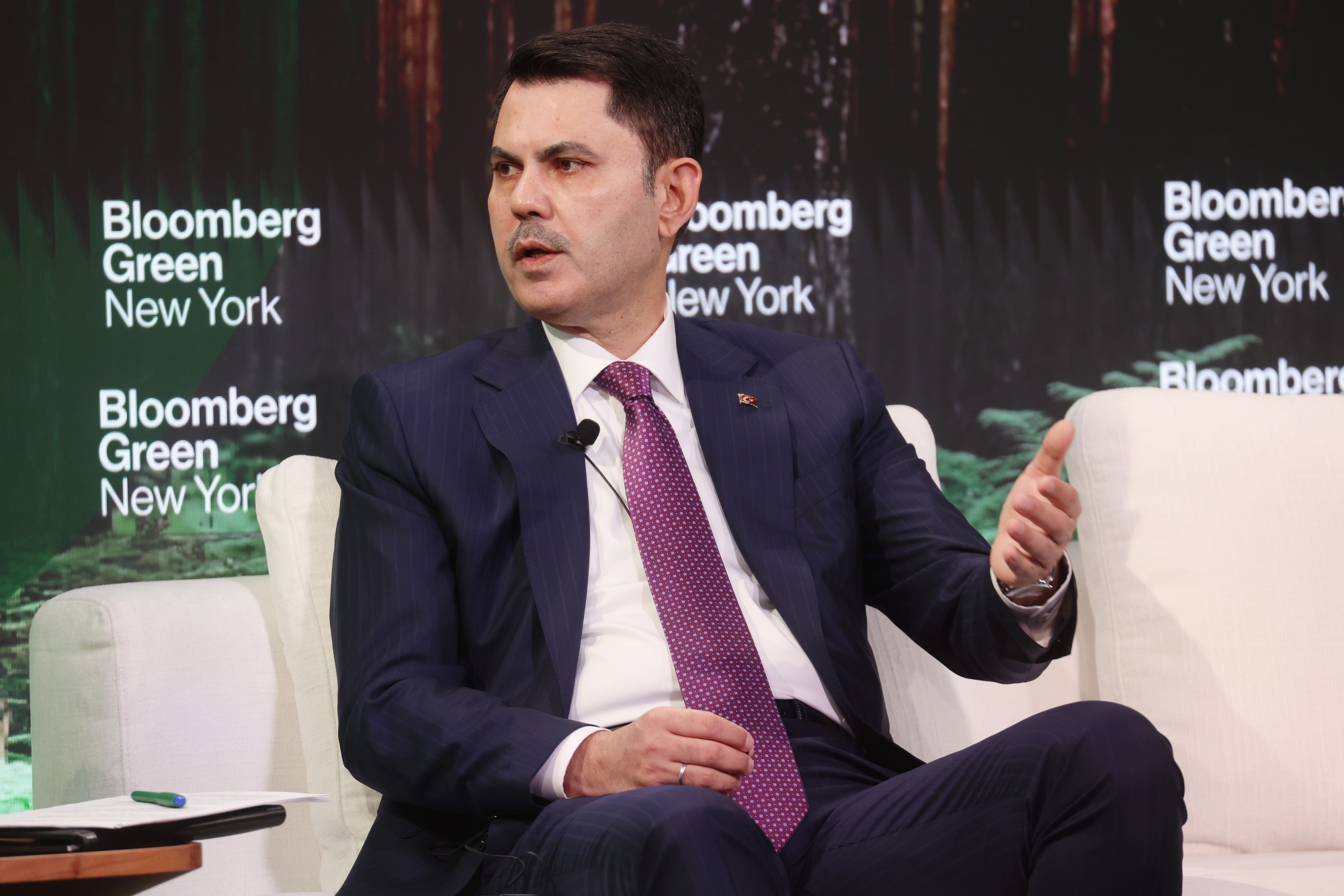 Murat Kurum, president of COP31 and Turkey’s environment and climate minister. Photographer: Michael Nagle/Bloomberg “We will not accept a COP that greenwashes fossil fuel,” said Darragh O’Brien, climate minister for Ireland, which holds the rotating EU Presidency. 2. A dead end on money issues The perennially-thorny issue of climate finance was always going to rear its head again at this COP, especially after another summer of climate extremes highlighted the growing need for funds to help countries adapt to warming temperatures. But with government budgets strained and the world’s biggest economy, the US, absent from the talks and pulling out of the Paris Agreement, other developed countries had little left to offer. Wopke Hoekstra, the EU’s climate chief, said in advance of the summit that the prospect of new money on the table was “dead in the water.” 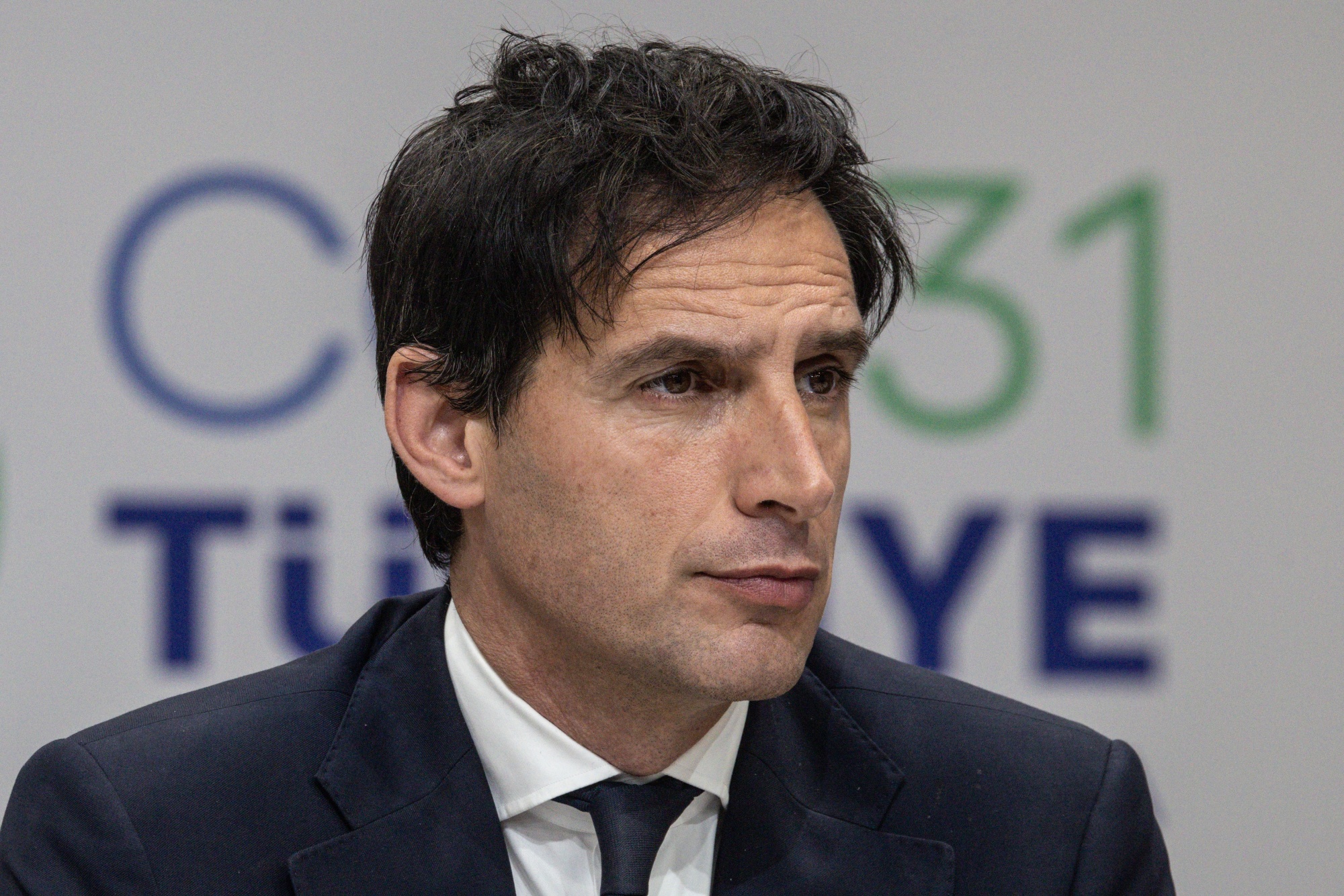 Wopke Hoekstra Photographer: Chris McGrath/Getty Images Europe Nevertheless, countries were working towards a deal that would create a process to ideally reach an agreement at next year’s COP32 summit in Ethiopia to make good on a promise last year to work towards tripling adaptation finance for developing countries. Where that stands now after the decision fell through remains to be seen. “Over the past two weeks, we have been offered next to nothing, even as we have said again and again, our needs are so great, the costs are so high,” said Kathy Jetnil-Kijiner, a representative from the Marshall Islands. “The financing gap keeps growing.” 3. Fresh infighting over climate science Over three decades of climate talks, negotiators have clashed on many issues. The science underpinning climate change however, has rarely come into question. This year things were different. 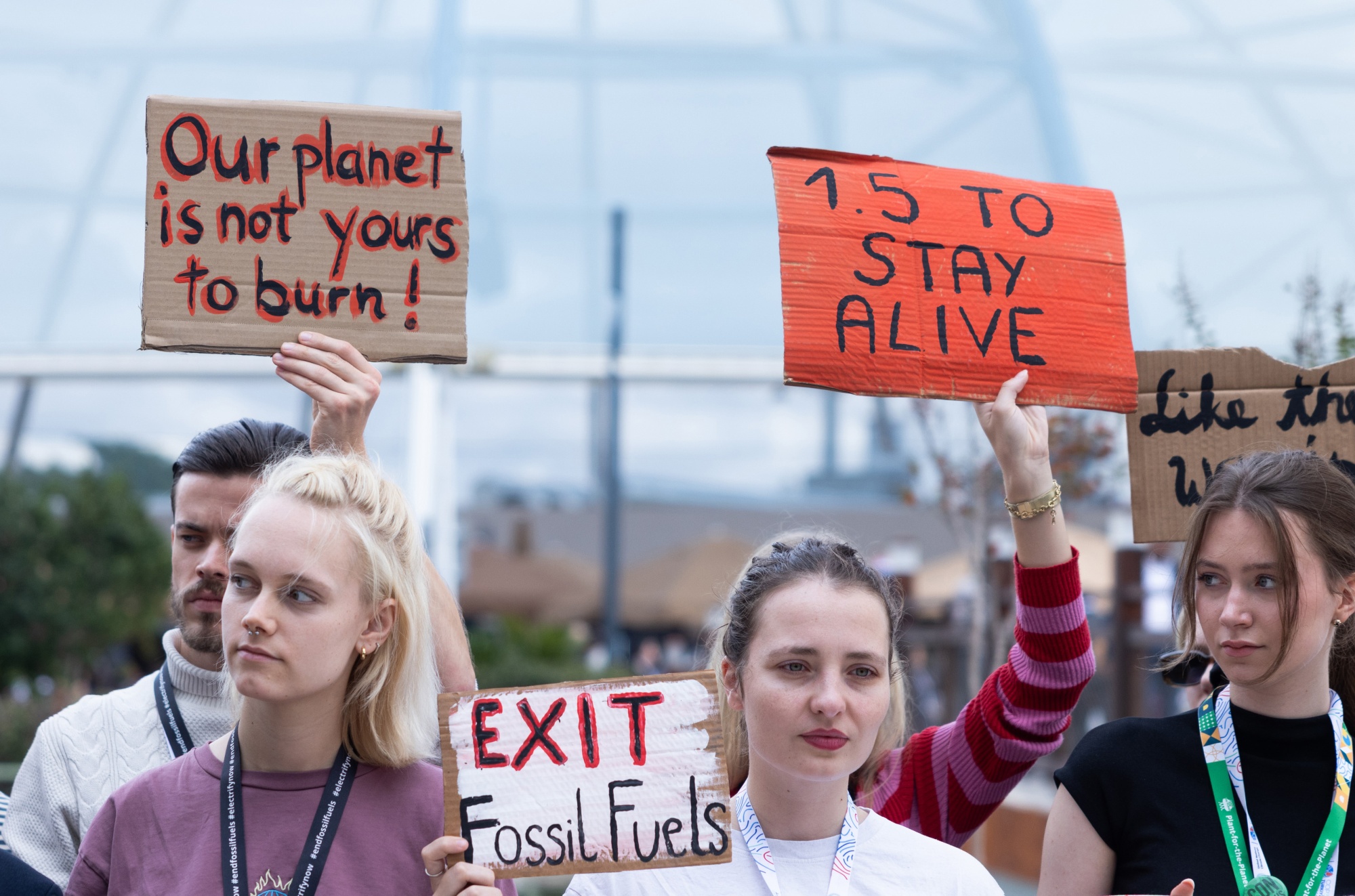 Climate change activists protest at the COP31. Photographer: Chris Ratcliffe/Bloomberg Scientists at the Intergovernmental Panel on Climate Change, whose reports underpin climate policy, have been unable to find an agreement on whether the next assessment should be conducted by 2028, in time for the next key “global stocktake” evaluating the world’s progress. That proved to be one of the biggest bones of contention in Antalya, with India, Saudi Arabia and Kenya maintaining their opposition to publication on that timeline. Initial decision drafts had seemed to offer a strong political signal to get the IPCC reports ready in time. Those drafts ended significantly watered down by the time the closing plenary started Sunday, and that became one of the key reasons talks ended in acrimony. 4. A double-presidency format didn’t help COP31 was an experiment in how UN summits should be organized. After the longest conference on record and a failed cover decision, it’s fair to say it didn’t work. After fractious talks over who would host at last year’s summit in Brazil, Turkey won the right to host while Australia got the consolation prize of being “president of negotiations.” 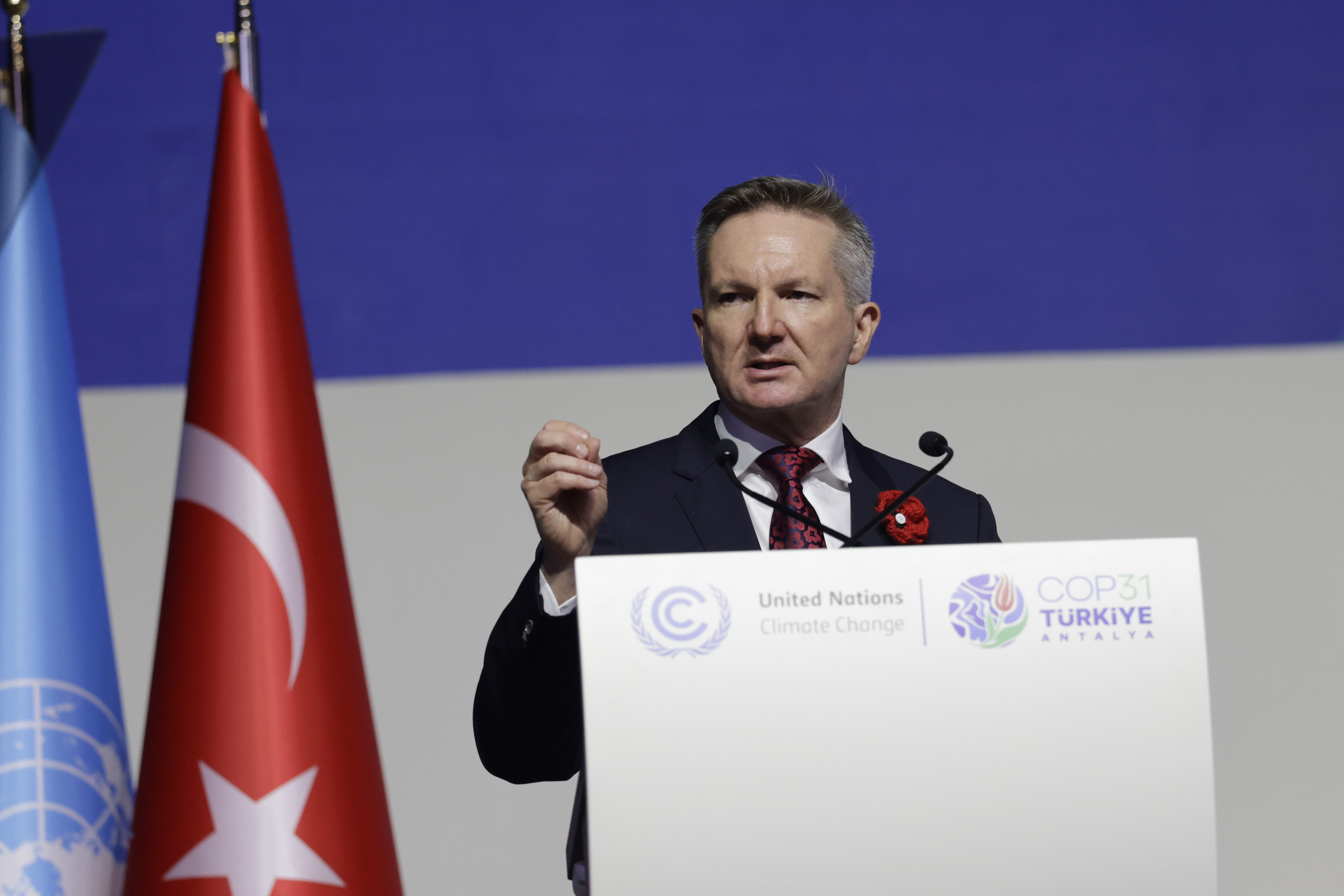 Chris Bowen, Australia’s climate change and energy minister. Photographer: Kerem Uzel/Bloomberg Over the two weeks, the co-presidents from Turkey and Australia put out repeated statements attesting to their strong working relationship and even held out a prospect that COP31’s structure could be a model for future summits. But country negotiators found the process exasperating and cumbersome. The shiny venue, abundant food and flashy announcements did little to hide the disquiet behind the scenes. A draft cover decision text was presented to delegates on Thursday, drawing heavy criticism. It then took over two further days to revise, as both presidencies weighed in and met with different delegations in turn. Through-the-night talks Saturday eventually proved too late to save face, and the deal collapsed. “The failure of this COP to deliver ambitious, fair, science-based outcomes falls squarely on the shoulders of richer nations, petrostates, and the disgracefully incompetent duo of the Turkish and Australian COP presidents,” said Rachel Cleetus, climate program director at the Union of Concerned Scientists. Get full coverage 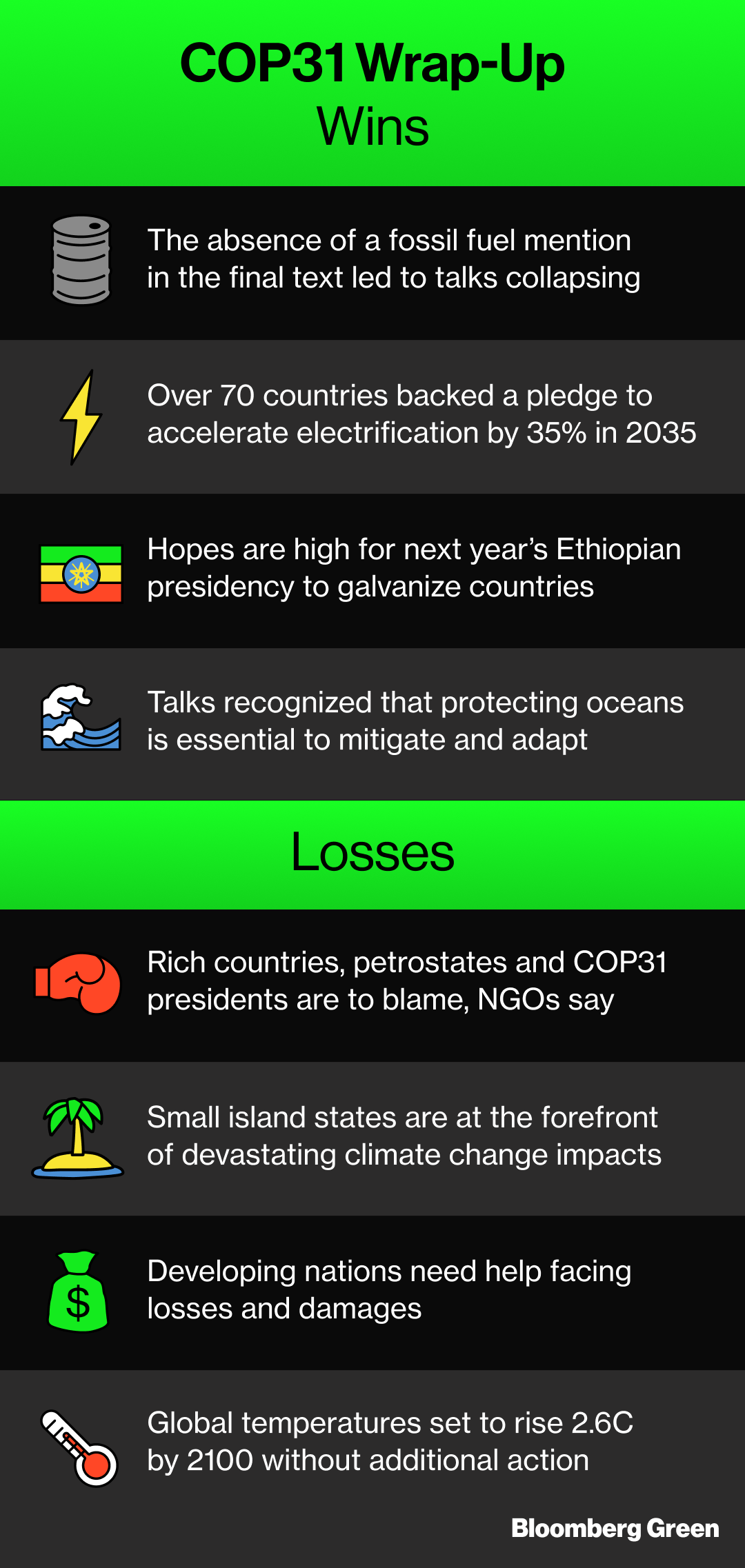 No deal9 The negotiating groups that opposed the COP31 final text, including the EU, the UK, Norway, Panama and the Marshall Islands Relentless warming“To transition away from fossil fuels and protect ourselves from the impact they cause we need finance, yet our partners showed up to this COP with empty hands” Kathy Jetnil-Kijiner Marshall Islands representative at COP31 Small islands and developing nations remind rich countries, which didn’t bring new cash to the negotiating table, that fighting climate change is expensive Inside the last hours of COP31 talksBy Jennifer A Dlouhy and John Ainger Saudi Arabia, the world’s third-largest oil producer, led a push for language encouraging rapid deployment of technology to capture, utilize and store carbon dioxide emissions. On Sunday, a representative from the country, speaking for the 22-member Arab group of nations, defended the approach. “It makes no sense that solutions — concrete solutions, which is what this COP is supposed to represent — are being taken off the table,” he told the conference. A Russian delegate said the country opposed fossil fuel language on national security grounds and took a swipe at the EU’s carbon levies. “Climate policy should not turn into trade policy by other means,” he said. Tensions ran high in a final session Sunday. Zanetor Agyeman-Rawlings, Ghana’s environment minister, chided the COP31 president, Turkey’s environment minister Murat Kurum, for having “rudely cut off” her remarks, saying it exemplified “disrespect” throughout the talks. And at one point, Kurum instructed UN climate change chief Simon Stiell to “please sit down.” 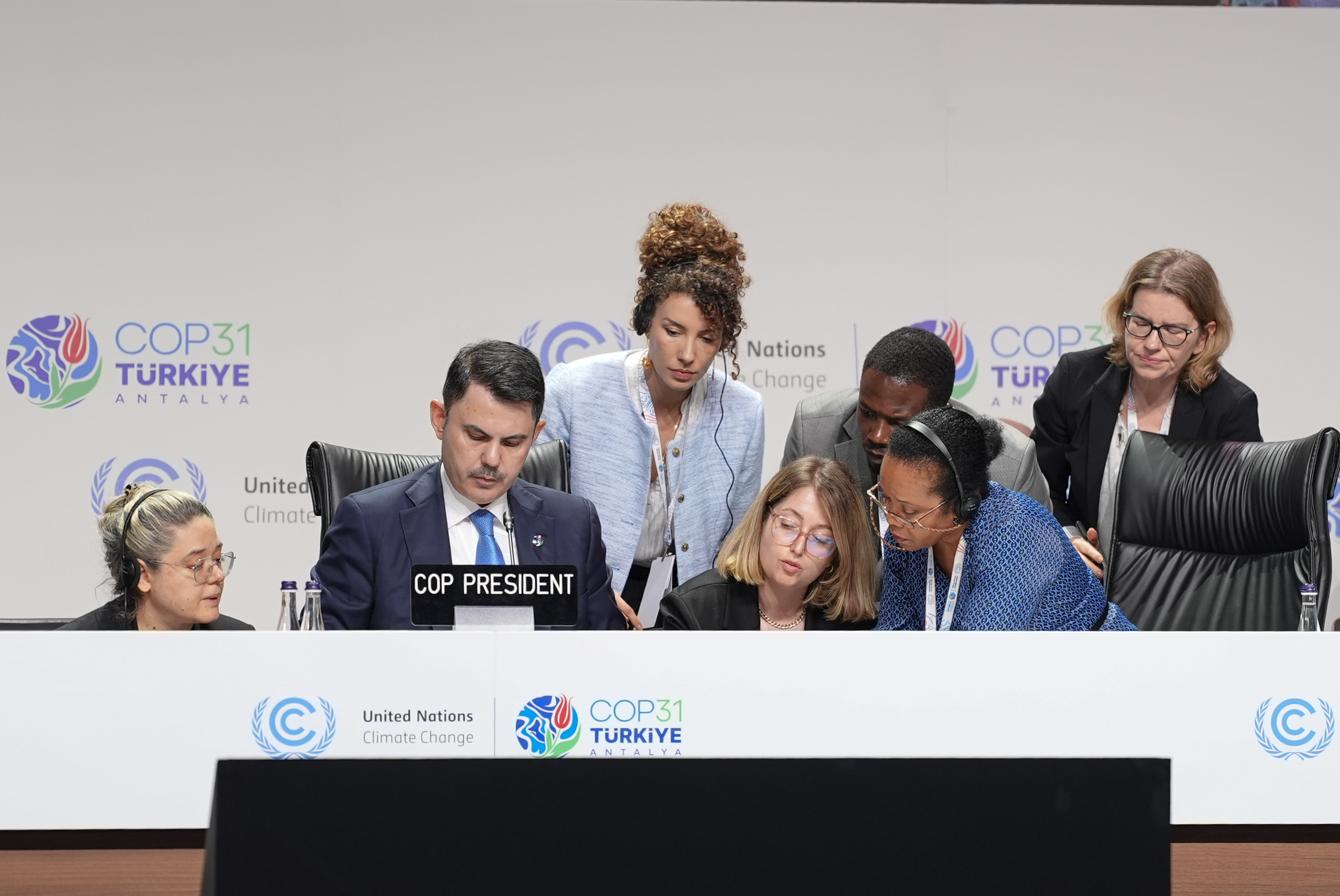 The COP31 Closing Plenary Session in Antalya, Turkey, on Nov. 22. Source: Anadolu/Getty Images It’s also a blow to Australia, which led negotiations in a unique power-sharing arrangement with Turkey. “An obvious issue is the transition away from fossil fuels where some parties insisted that it must be mentioned,” said Chris Bowen, Australia’s climate minister who oversaw negotiations at COP31. “Other parties insisted that if it was mentioned, they would veto.” Norway, Vanuatu, Panama and European Union nations refused to endorse the package, as countries one by one registered their complaints with the jettisoned proposal and the process that produced it. That delivered a fatal blow to negotiations that had been encouraged to produce a more decisive global response to escalating climate threats. “It is unconscionable that we would have a climate pact that makes no reference to fossil fuels — and no reference to transition away from fossil fuel either,” Ireland’s climate minister, Darragh O’Brien, told the talks Sunday, speaking on behalf of the EU. 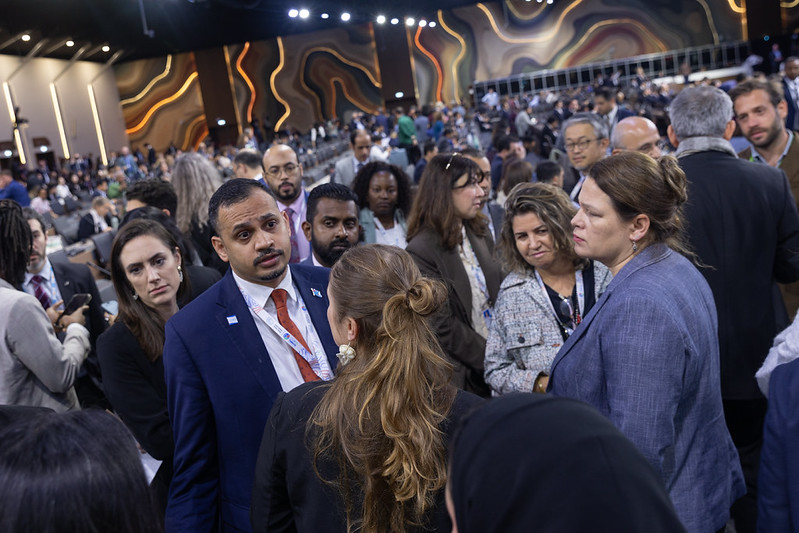 Delegates at the UN climate talks in Antalya, on Nov. 22. Source: UNFCCC Closed-door negotiations failed to bridge divides between developed and emerging economies. Poor and particularly vulnerable nations bemoaned that rich nations refused to help speed the delivery of funding to adapt to climate change. Meanwhile, UN scientists warned last month that the most stringent commitment of the 2015 Paris Agreement — a pledge to limit global temperature rise to 1.5C — is out of reach. “The moment required bold ambition, and we have been working tirelessly to try to build consensus,” said Miatta Fahnbulleh, the UK’s secretary of state for energy security and net zero. “It is immensely disappointing we have been unable to do so.” The standoff means the COP31 summit — still technically underway Sunday afternoon, as some nations delivered final remarks — is concluding with only minor advances on less contentious items. The outcome is likely to stoke fresh debate about whether the diplomatic process designed to steer the world’s fight against climate change is still up to the task. Follow live coverage Your Zero listenAround 600 million people today still have no access to electricity. It’s a shockingly high number and a shortfall that stops the provision of healthcare, schooling and basic services necessary for a functioning economy. Watch now, and subscribe on Apple, Spotify or YouTube to get new episodes of Zero every Thursday. Panama’s COP31 starBy Azman Usmani The sharpest voice at this year’s UN climate summit emerged from Panama, the carbon-negative Central American nation of roughly 4.6 million people. Until Wednesday, the country’s environment minister Juan Carlos Navarro was a largely under-the-radar figure at the COP31 talks. He slipped into a midweek press conference without a security detail, or the knot of journalists that trails the event’s established figures. His opening words — “I do not bear good news” — changed the temperature in the room, and by the time he had finished an address, he had become the conference’s most vocal opponent of weak action to shift away from fossil fuels. Navarro accused delegates of being “held hostage by the petroleum mafia” and of falling in love with their fossil-fuel “kidnappers.” 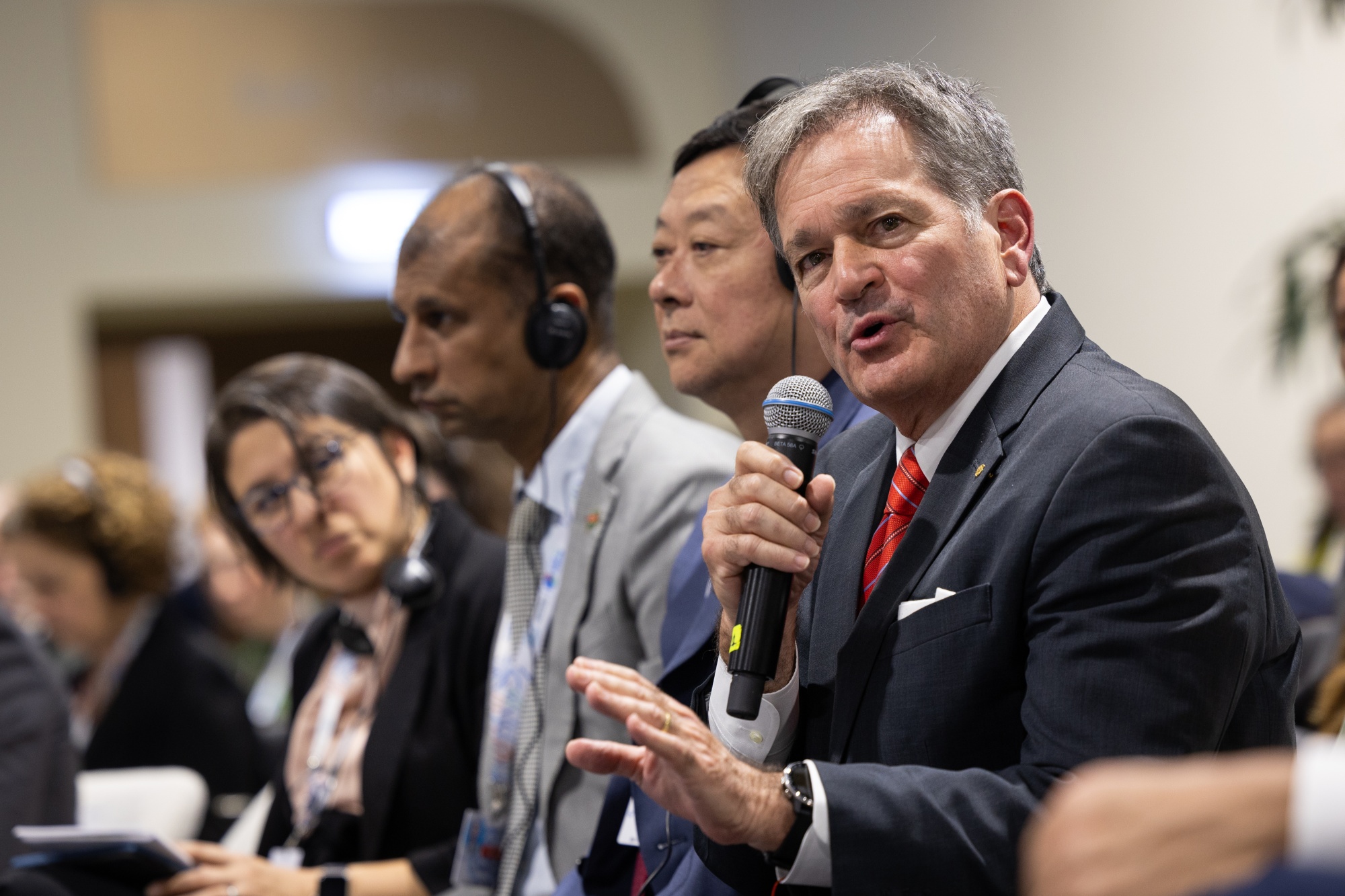 Colombia’s Environment Minister Juan Carlos Navarro. Photographer: Kiara Worth/UN Climate Change Navarro’s attack was theatrical, yet its timing was astute. The following day, negotiators produced a draft text of an agreement that omitted any reference to fossil fuels, sharpening the anger of countries vulnerable to climate change and advocates of a faster shift to renewables. After his Wednesday intervention, the choreography around Navarro reversed. Reporters waited in corridors and pressed recording devices toward him whenever he stopped. At an event on Friday, French Ecological Transition Minister Monique Barbut introduced him as “the most eloquent speaker of us all.” The minister’s breakout on the global stage at COP31 follows a long domestic record as a leader in environmental activism. Navarro founded conservation group ANCON in 1985, served two terms as Panama City mayor and ran for president in 2014. He later co-founded a solar-energy company and led Panama’s solar industry association before becoming environment minister in 2024. In a further escalation of Panama’s opposition to polluting fuels toward the end of the Antalya summit, Navarro sent a letter to the joint Turkish-Australia presidency setting out a series of red lines and calling for oil production to be capped at current levels. “While we listen to endless oratory, the planet is being destroyed,” Navarro said. More from OpinionMore from Bloomberg
Explore all Bloomberg newsletters. We’re improving your newsletter experience and we’d love your feedback. If something looks off, help us fine-tune your experience by reporting it here. |


No comments:
Post a Comment