Xi-Trump summit: White House locks in new dates in May

In a social media post, Trump described Xi as “the highly respected president of China”, adding that “representatives” on both sides were “finalising preparations” for the “historic” visit.
Open QuestionsTrump-Xi summits: an inside view with US ex-diplomat William Klein

William Klein worked for more than two decades as a US diplomat, including in several senior roles at the United States’ embassy in Beijing from 2016 to 2021. He worked at the American Institute in Taiwan and on the US State Department’s China desk in Washington, and occupied US diplomatic posts in South Asia, the Middle East and the former Soviet Union. He is based in the Berlin office of FGS Global, a strategic advisory and communications firm.

OpinionMiddle powers are taking up the mantle of multilateral leadership
With the US in retreat, nations committed to economic integration are moving forward through partnerships like the CPTPP

For much of the post-war era, the architecture of global governance rested on the simple assumption that the United States would support the systems it largely designed and uphold the rules it helped to create.
Yet the retreat of one great power does not mean the collapse of globalisation or multilateralism. Instead, the torch has passed to middle powers who are coming together in flexible formations to sustain the institutions that underpin globalisation and multilateralism.
Canadian Prime Minister Mark Carney expressed this critical juncture at the World Economic Forum in Davos in January, where he laid to rest hopes of a return to normal. He argued, quite rightly, that countries must increasingly build flexible forms of cooperation rather than rely solely on rigid ideological blocs.
Instead, a coalition of middle powers, including Japan, Canada, Australia and other economies, rallied to save it in a revealing experiment in middle-power leadership. The agreement’s constituent economies account for roughly 15 per cent of global gross domestic product and represent some of the most dynamic trading nations in the Asia-Pacific, and it now includes the United Kingdom.
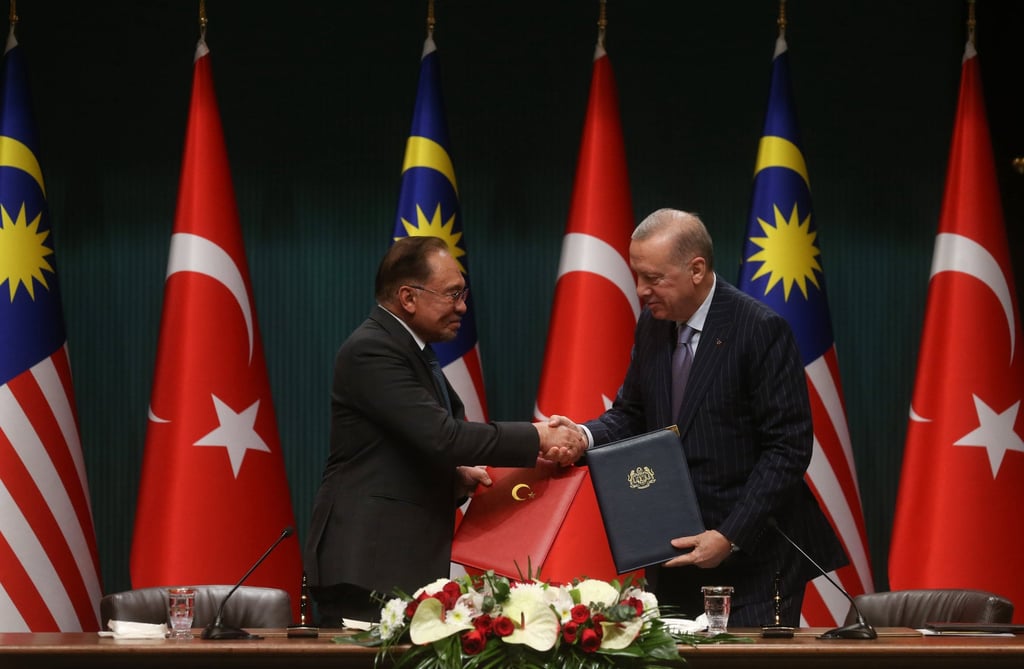
The CPTPP is just a single facet of an emerging architecture as middle powers ranging from Group of Seven members to regional actors – such as Turkey and India – respond to a world where the US no longer anchors the security and economic architecture of the international system. That does not mean the US has ceased to matter, but it does mean even its formerly close middle-power allies are beginning to exercise greater autonomy.
But today, the agreement is more important than ever. In a period marked by rising tariffs, industrial policy disputes and unilateral economic measures, it represents a shared commitment to open markets and predictable trade rules with a significance that has expanded beyond the Pacific Rim. Sweden has proposed that the European Union join the CPTPP.
At a time when tariffs, sanctions and industrial policy measures are increasingly deployed outside multilateral frameworks, and the US-Israel attack on Iran casts doubts on the future of multilateralism, the CPTPP serves as an indictment of unilateralism, defending open trade with free and fair rules against protectionism.
The emergence of this united front can be reinforced by answering one of the most consequential questions for the CPTPP’s future: whether other middle powers can find their place in the agreement. Both China and the EU could cooperate or even accede to the agreement, working hand in hand to develop a free, fair and open future for both world trade and global governance.
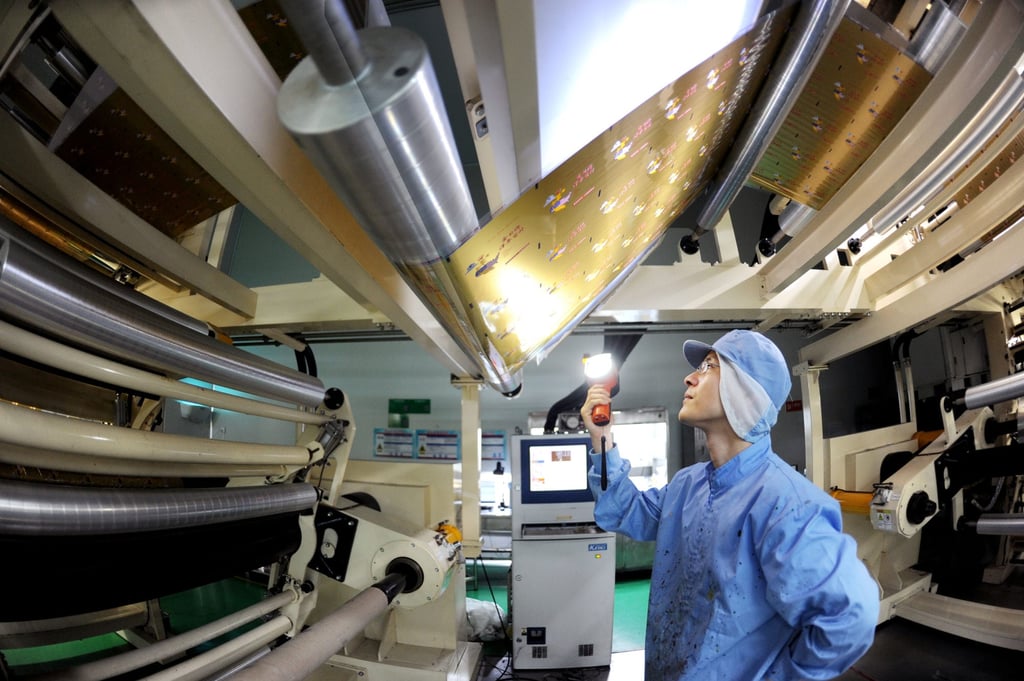
China is interested in both cooperation and possible membership. In recent years, Simon Birmingham, who served as Australian trade minister, has publicly encouraged China to pursue CPTPP membership. Integrating major economies into high-standard trade frameworks strengthens both the agreements themselves and the broader international economic order.
Here, Japan could play a critical role. As the largest economy currently inside the CPTPP, Tokyo occupies a position of gentle influence. If Japan were to support and guide China’s pathway towards CPTPP membership, it could not only reinforce the agreement’s economic weight but also open a channel to bolster trust and cooperation. This is crucial, especially given the current low ebb of China-Japan relations.
Ultimately, the CPTPP’s significance lies in what it means for globalisation’s future. The world is entering a multipolar era in which economic and political leadership is distributed rather than concentrated. In such a system, multilateralism depends on coalitions willing to uphold open markets and shared rules.
The US may even decide to rejoin this framework someday. Should it look to do so, the door should remain open. But the experience of the CPTPP reflects an important reality: the future of global trade will not wait for any single country. Nations that remain committed to economic integration are moving forward together. In doing so, they are shaping the foundations of a more plural – but still open – global system.

No comments:
Post a Comment