Newsweek - News Article
Saudi Arabia, Turkey, Pakistan Form NATO-Style Pact—How It Impacts Iran War
PUBLISHED
AUG 07, 2026 AT 02:53 PM EDT
UPDATED
AUG 07, 2026 AT 06:41 PM EDT


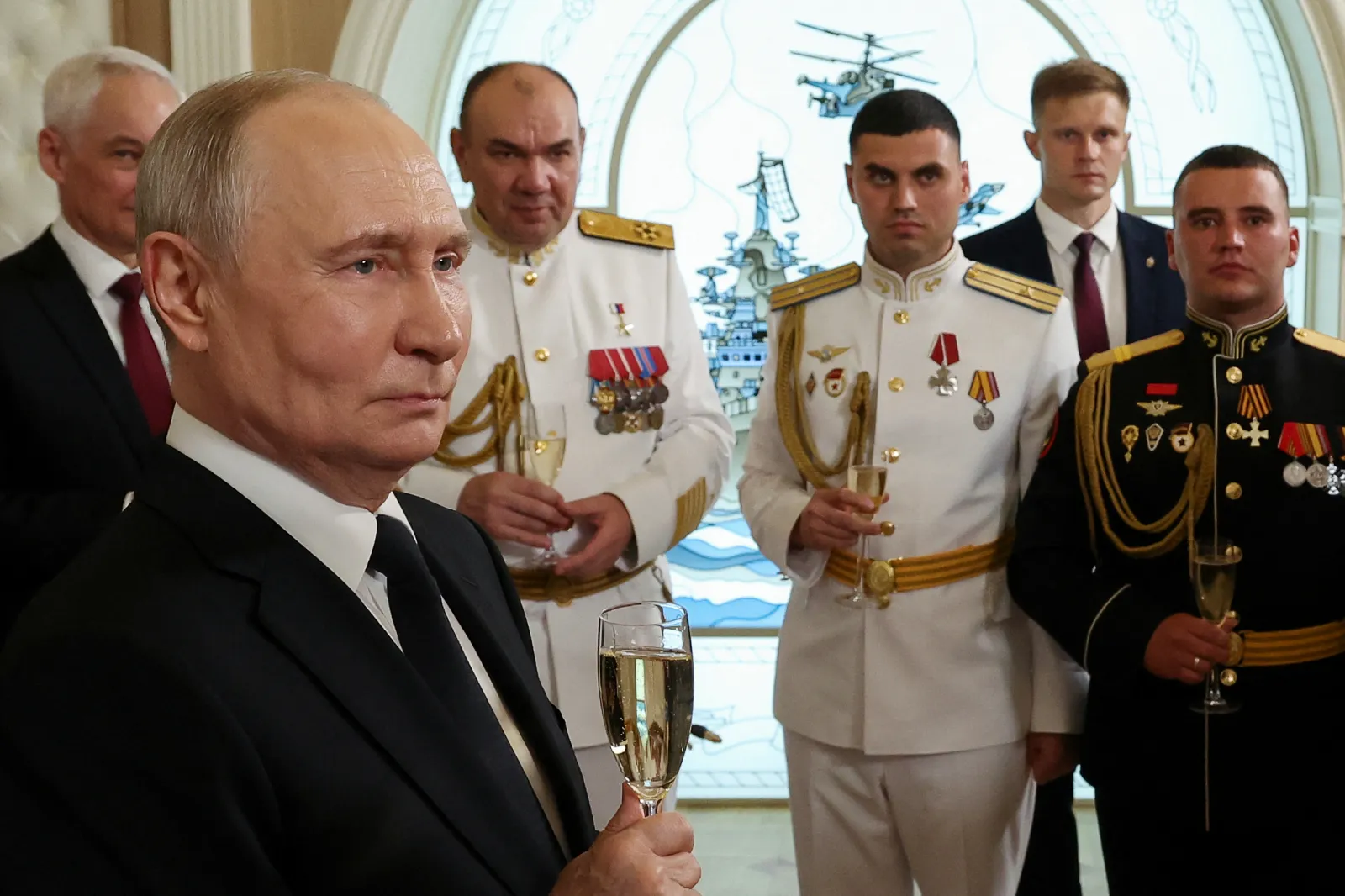
Saudi Arabia, Turkey and Pakistan have signed a new mutual-defense agreement that could reshape the balance of power in the Middle East as the war involving Iran continues to fuel regional instability.
The "Mecca Joint Defence Agreement," signed Friday after months of negotiations, states that an armed attack on any of the three signatories will be treated as an attack on all, creating a NATO-style collective-defense framework. While the agreement does not publicly spell out the precise military obligations of each country, it is intended to strengthen cooperation among three influential powers at a moment of mounting regional turmoil.
The announcement comes amid a widening regional crisis fueled by the Iran war, with missile attacks, maritime disruptions and threats to energy infrastructure accelerating efforts by regional powers to strengthen their own security partnerships.

Why It Matters
The pact raises the stakes for any future attack on Saudi Arabia.
According to the agreement, an attack on one member would be regarded as an attack on all three, potentially drawing Turkey and Pakistan into any future crisis involving the kingdom. Officials say the pact is designed to strengthen collective deterrence, is defensive in nature, is not directed at any specific country and could potentially be expanded to include additional members.
Saudi Arabia has increasingly found itself on the front line of the regional conflict. In recent months, Iranian missile and drone attacks, as well as strikes by Tehran-aligned groups in Yemen and Iraq, have threatened Saudi territory, shipping routes and energy infrastructure, prompting Riyadh to seek deeper security cooperation with regional partners.
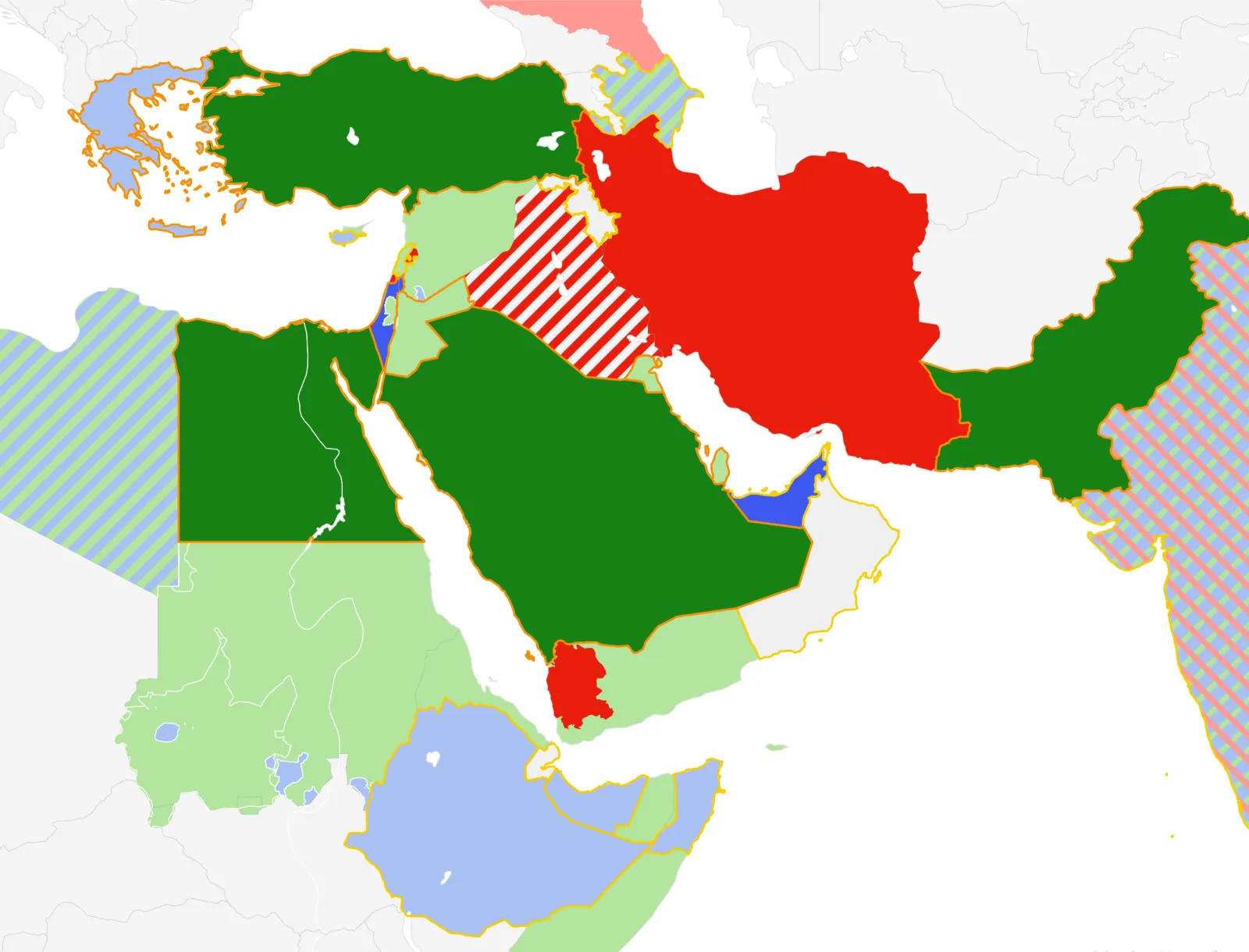
The kingdom has already been moving closer to both Turkey and Pakistan. Together with Egypt, the countries have emerged as a loose bloc seeking to expand security cooperation amid growing competition with Iran and other rivals. The New York Times reported that Egypt participated in early discussions on the defense framework but did not sign Friday's agreement.
Not Just About Iran
The new agreement is also being viewed through the lens of a broader competition for influence in the Middle East.


Geoscape
Terms of Service and Privacy Policy
While concern over Iran's growing pressure on Gulf states is a major factor, analysts have also pointed to the emergence of a separate alignment involving Israel, the United Arab Emirates and India.
Israel and the UAE have deepened cooperation since the Abraham Accords, while ties between Israeli Prime Minister Benjamin Netanyahu and Indian Prime Minister Narendra Modi have strengthened through defense cooperation and multilateral initiatives involving the UAE and the United States.
The pact is also being viewed within the context of broader competition among emerging regional blocs. As analyst Marc Saxer recently told Newsweek, "Israel and Iran are competing for regional hegemony, while a coalition of middle powers centered on Saudi Arabia, Pakistan, Turkey, and Egypt is seeking to balance against both."
The timing of the defense agreement is notable because Netanyahu and Modi recently held talks that regional observers viewed as further evidence of growing coordination between Israel and India.
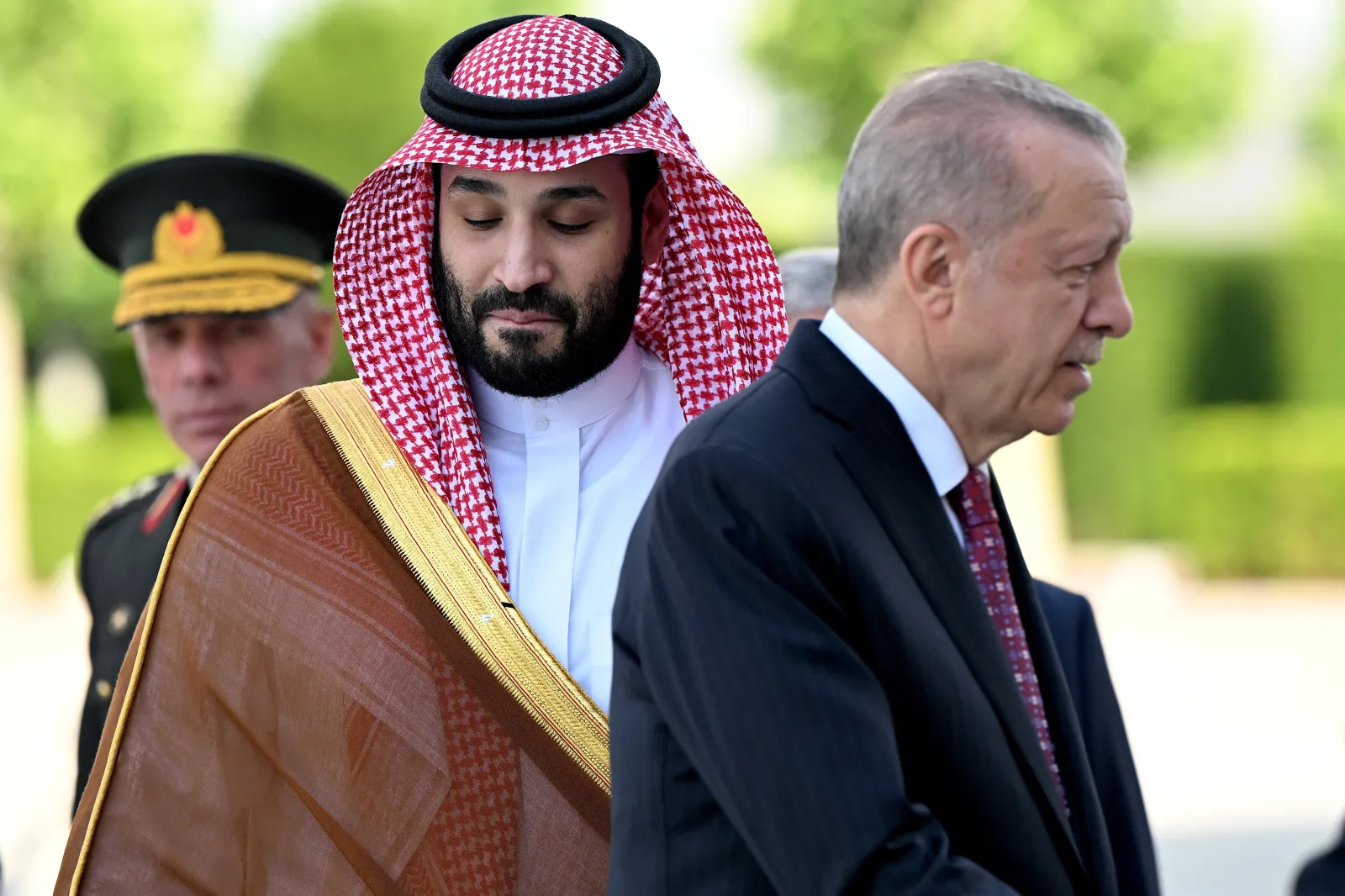
Turkey and Saudi Arabia have also grown closer despite years of rivalry, while Pakistan remains one of Saudi Arabia's most important security partners and is the Muslim world's only nuclear-armed state.
Why U.S. Allies Are Looking Beyond Washington
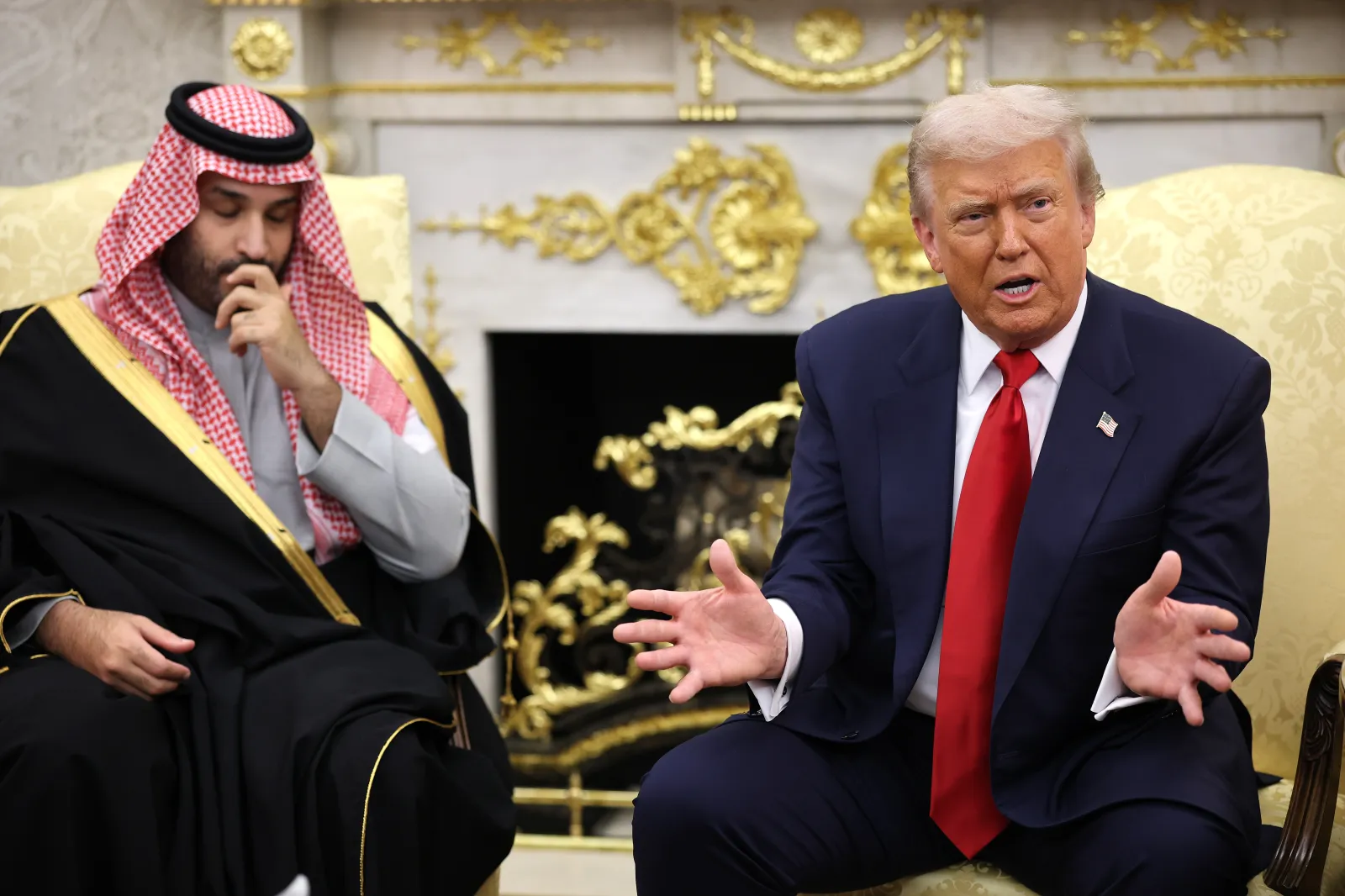
The agreement comes as Saudi Arabia, Turkey and Pakistan navigate a region reshaped by conflict involving Iran and Israel, as well as growing uncertainty about the future security role of the United States.
Analysts have argued that the ongoing conflict has accelerated a trend already underway: regional powers pursuing more independent security arrangements rather than relying exclusively on Washington.
Abdulaziz Sager, chairman of the Gulf Research Center, told Reuters that the framework demonstrates a growing willingness among regional and middle powers to coordinate more closely on security matters. He said the arrangement could contribute to the emergence of a more regionally driven security architecture.
What Happens Next
A key unanswered question is how the pact would function in practice.
The agreement establishes the principle of collective defense, but Reuters reported that the statement released by the three governments did not specify what military commitments members would be required to undertake if one were attacked.
Turkish President Recep Tayyip Erdogan has suggested implementation could include joint defense-industry projects and counterterrorism operations, offering one of the clearest indications yet of how cooperation under the agreement could develop.
That means the alliance may function more as a deterrent and political signal than an automatic military trigger.
Still, the implications are significant. If Saudi Arabia were subjected to another major attack by Iran or an Iran-aligned group, leaders in Tehran would now have to consider the possibility that any confrontation could involve not just Riyadh, but also Ankara and Islamabad.
In a Middle East increasingly defined by competing networks of partners and rivals, the new pact is one of the clearest signs yet that regional powers are seeking to build their own security structures as the Iran conflict reshapes the geopolitical landscape.
Contact Newsweek editors on this story: Jason Lemon and Sam Wilson.

No comments:
Post a Comment