Opinion
Turkey’s Democratic Crisis Is Becoming a Security Crisis | Opinion
PUBLISHED
JUN 01, 2026 AT 06:08 AM EDT
UPDATED
JUN 01, 2026 AT 06:26 AM EDT
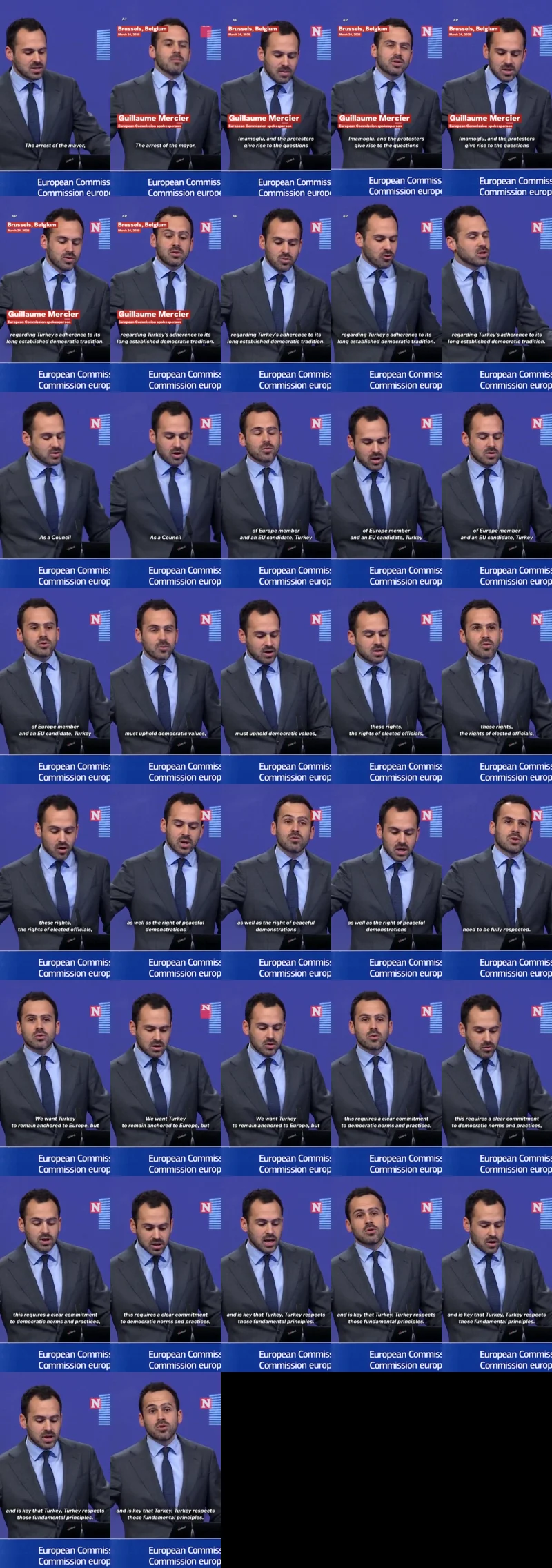
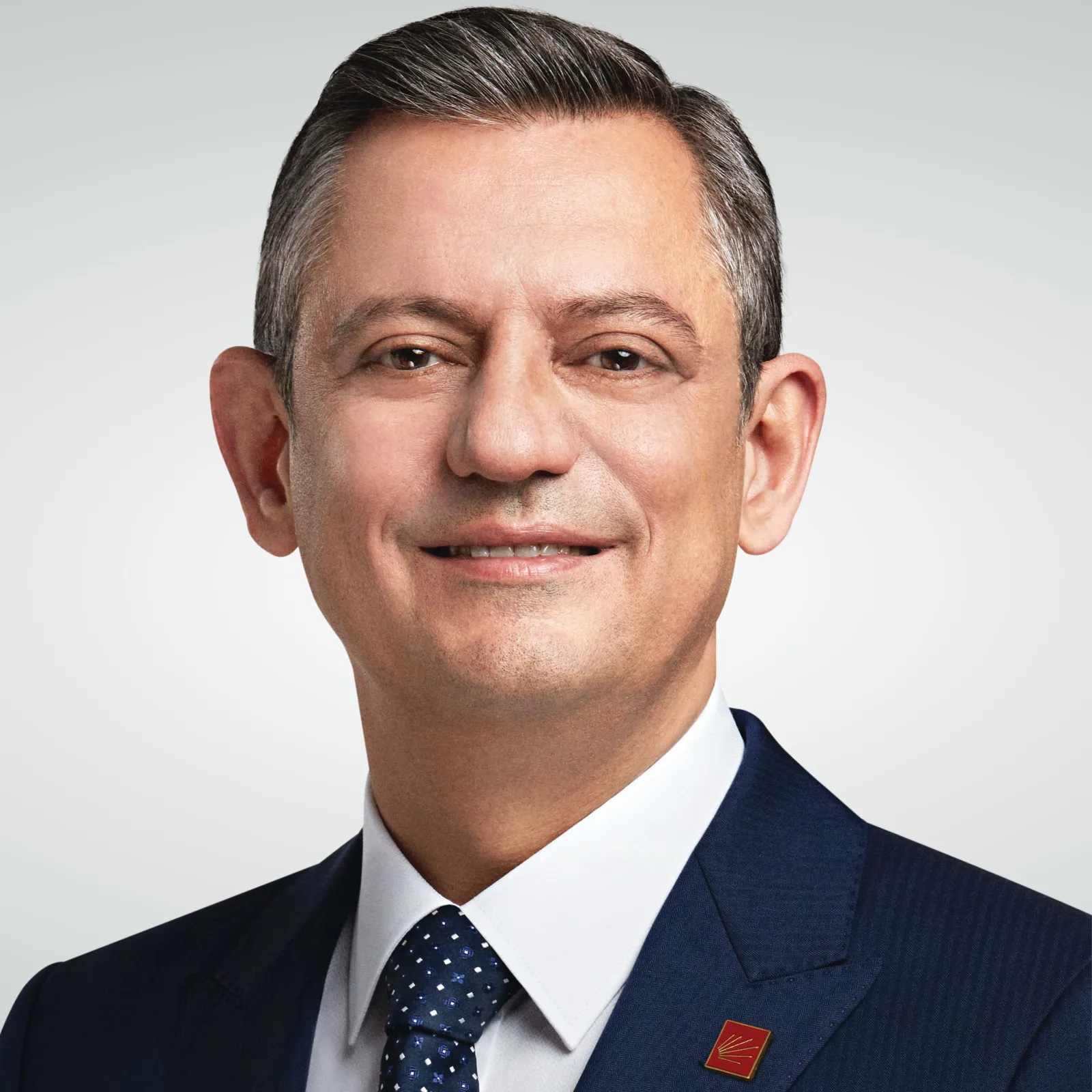
For years, discussions about Turkey's democratic decline were largely confined to the language of human rights, constitutional law, and domestic politics. International observers viewed the erosion of democratic institutions as a troubling but primarily internal matter; a challenge for Turkish citizens to confront within their own political system.
That era is over and a darker chapter has begun.
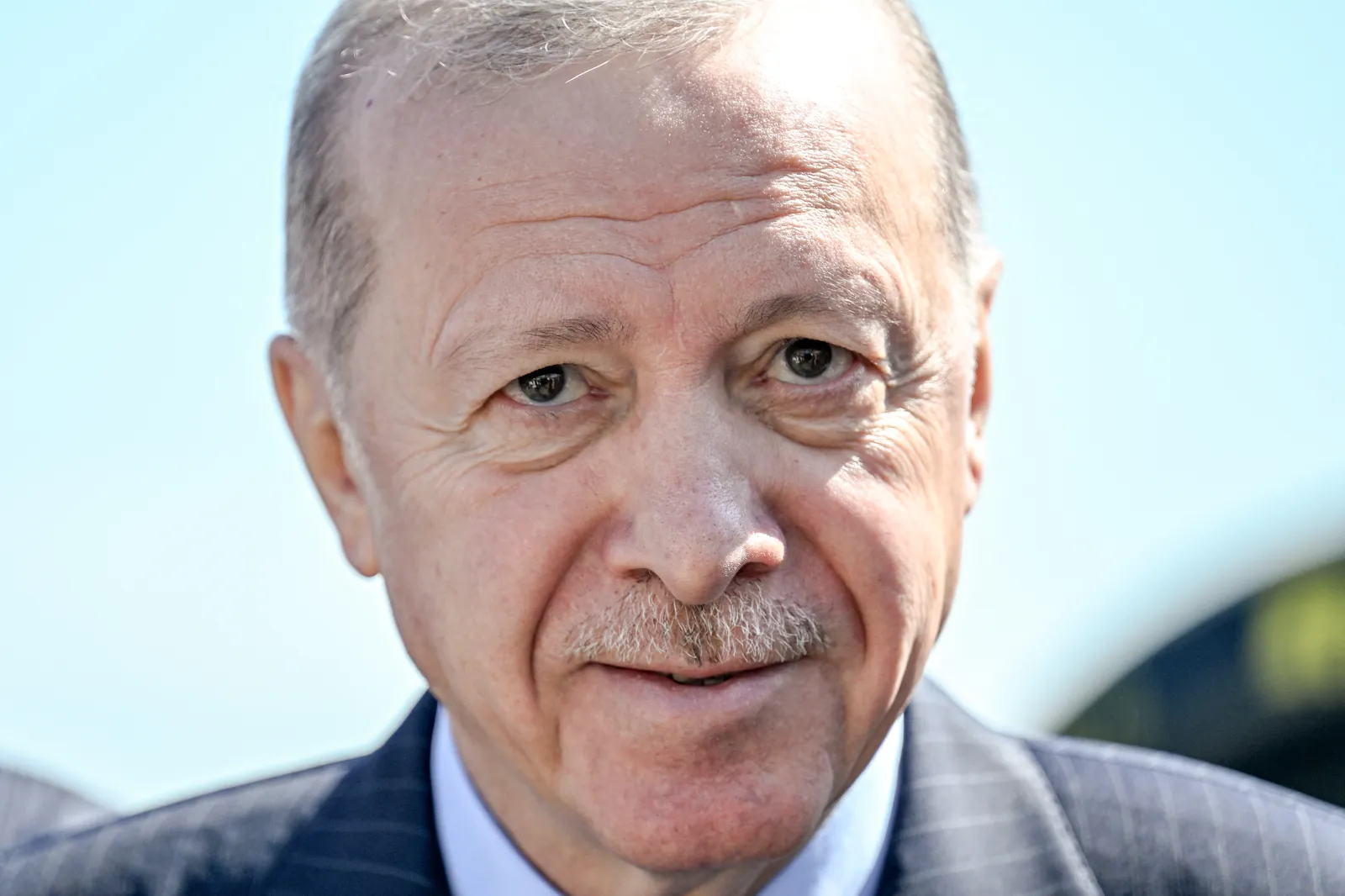
Turkey's democratic crisis has evolved into something much larger. It is now becoming a security crisis with implications far beyond our borders. What is unfolding in Turkey today should concern not only those who care about democracy, but also those who care about the long-term stability of Europe, NATO, the Black Sea region, the Eastern Mediterranean, and the Middle East.
The reason is simple: Turkey is too strategically important to become politically unstable.
Turkey is now facing a profound political and economic unraveling: President Recep Tayyip Erdogan’s government, having captured much of the state apparatus, is attempting to eliminate the last meaningful democratic alternative while society sinks deeper into economic hardship, social frustration, loss of trust in public institutions and distrust in the future.
Over the past year, Erdogan's government has intensified an unprecedented campaign against the democratic opposition. This assault on democratic choice accelerated after the Republican People's Party (CHP), the main opposition party, achieved a historic municipal victory in 2024, becoming Turkey's leading political force for the first time in decades. As a result, the government increasingly turned to judicial intervention rather than political competition.
The most visible target has been Istanbul Mayor Ekrem Imamoglu, our presidential candidate and President Erdogan’s strongest challenger, arrested in March 2025 on absurd, politically motivated allegations and now facing a sentence measured not in years, but in millennia.
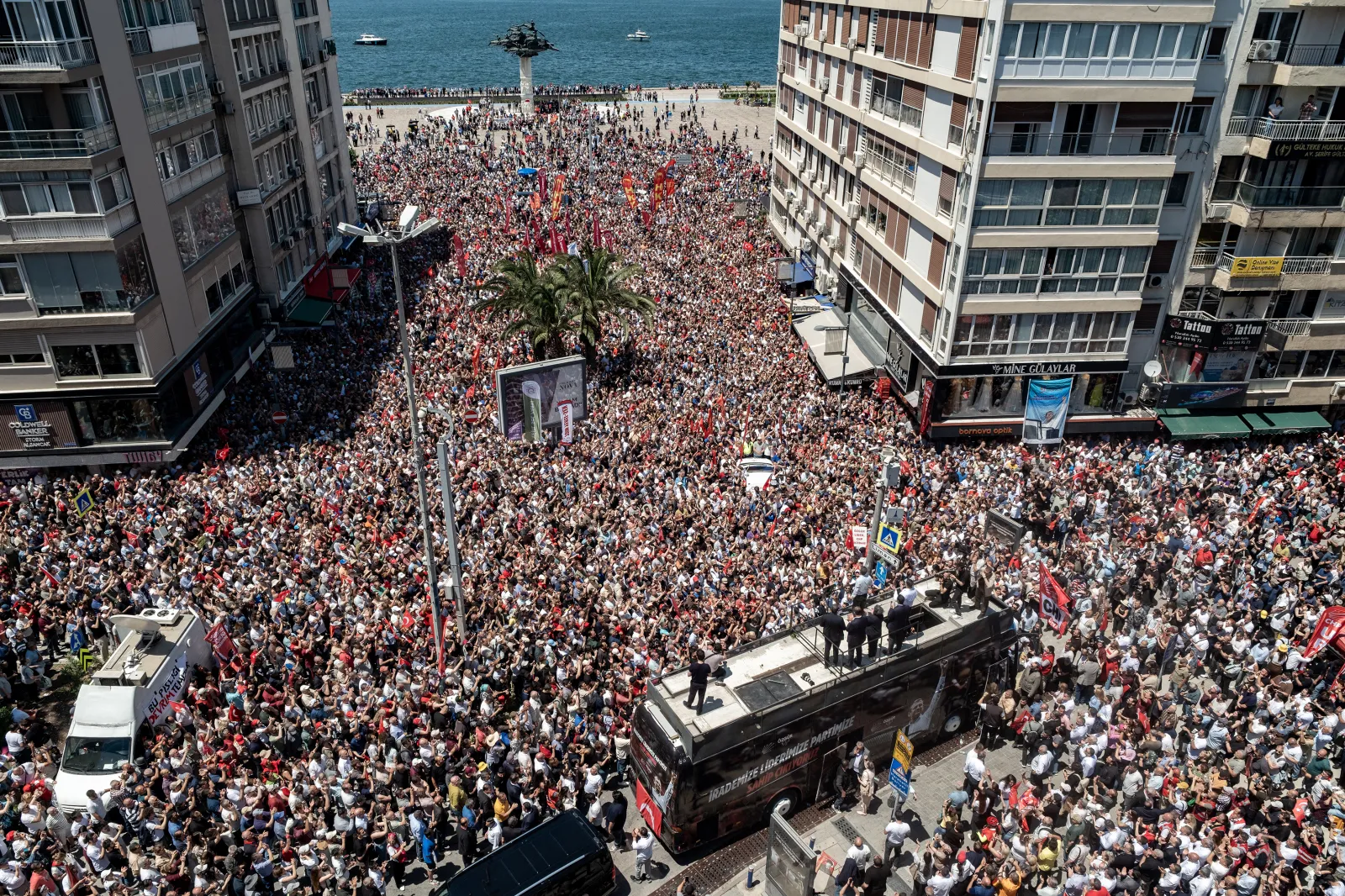
Since 2025, around 20 CHP mayors and hundreds of municipal officials have been imprisoned without final convictions and all subjected to pre-trial detention. We have responded to this onslaught by mobilizing citizens in massive rallies across the country, bringing together millions of people far beyond our party lines.


Independent Journalism Needs You!
Most recently, a court invoked the extraordinary doctrine of “absolute nullity” to void the CHP’s 2023 Congress, remove me as the party’s elected leader, and reinstall the previous leadership that had lost the congress and was discredited after 13 consecutive electoral defeats. Basically, aiming to place Turkey’s largest opposition party under judicial control—with the apparent cooperation of figures willing to accommodate Erdogan’s master plan for Turkey’s political order. Whatever this system is called—single-party regime or one-man rule—its governing logic is the same: eliminating any meaningful challenger as well as replacing the real opposition with a managed and compliant one.
Democracy is about preserving credible pathways through which citizens can peacefully change their government. When those pathways disappear, political frustration does not disappear with them. It builds beneath the surface until it erupts.
If Erdogan succeeds in dismantling meaningful opposition, for the first time in modern history, Turkey would face deep popular discontent, a severe legitimacy crisis, and no meaningful institutional mechanism through which citizens could peacefully demand political change.
This is not only a scenario of authoritarian consolidation. It is a scenario of profound instability.
History teaches a consistent lesson: political systems do not become stable when alternatives disappear; they become stable when citizens believe peaceful change remains possible. The Soviet Union, the Shah’s Iran, the Eastern Bloc, and much of the Arab world all appeared stable during the Cold War—until they suddenly did not. Systems are often most fragile precisely when they look most unchallengeable.
Turkey’s strategic importance makes this danger especially acute: as gatekeeper of the Black Sea, NATO’s second-largest military power, and a crossroads of Europe, Eurasia, the Middle East, and the Eastern Mediterranean, its role in migration, energy, and regional security means democratic collapse would not remain within its borders.
History also shows that governments facing domestic instability and declining legitimacy often externalize their crises. Foreign policy confrontation, militarized rhetoric, and geopolitical adventurism become substitutes for the democratic consent and economic success they can no longer provide. Under such conditions, foreign policy crises are framed as questions of national survival.
As the leader of Turkey’s main opposition party, I firmly believe our country can become one of Europe’s most valuable partners—and ultimately a full member of the European Union at a moment when Europe is building a new security architecture. But sustainable partnerships require democratic legitimacy.
A country cannot indefinitely serve as a pillar of regional stability while simultaneously dismantling the democratic foundations that sustain internal stability.
If current trends continue, Turkey risks becoming something unprecedented in NATO’s history: a strategically indispensable member that no longer functions as a democracy, while millions of its citizens grow increasingly dissatisfied with a political and economic order they have no peaceful democratic means to change. This would not merely be a domestic crisis. It would be a profound security challenge.
The democratic struggle we are waging will shape not only Turkey’s democratic future and the stability of one of the world’s most strategically important countries, but also the security of our region, Europe, and NATO. Democracy and stability cannot be separated for long. The outcome could establish a precedent with consequences far beyond our borders, encouraging either democratic renewal or further authoritarian consolidation across a region already under immense strain.
Özgür Özel is the leader of the main opposition party in Turkey and a member of Parliament from Manisa province.
The views expressed in this article are the writer's own.

No comments:
Post a Comment