opinion
Are the Abraham Accords Still a Thing? | Opinion
Editor's note: This is a preview of The Josh Hammer Report. Politics, law, and culture collide as Newsweek Senior Editor-at-Large Josh Hammer charts a path forward for American conservatism and exposes the woke Left. A voice for the New Right, Hammer delivers blistering commentary straight to your inbox every Wednesday.
Published
Nov 19, 2025 at 11:34 AM EST

Tap here to get this newsletter delivered to your inbox.
Saudi Arabian Crown Prince Mohammed bin Salman was in Washington, D.C. yesterday for a high-profile White House visit. President Donald Trump rolled out the red carpet for "MBS," as he is commonly known, much as MBS himself did for Trump when the commander-in-chief visited Riyadh in May. By all accounts, the visit was a warm one—and a highly successful one, at least from Saudi Arabia's perspective. The more relevant question, however, is this: Was this also a successful visit, from our American perspective?
The answer is slightly more complicated.
On the one hand, Saudi Arabia is indeed an important and valuable ally of the United States. As I explained in a Newsweek column three years ago, the realist/"America First" case for close U.S.-Saudi relations is strong: "The reality is that the reformed, MBS-era kingdom of Saudi Arabia shares core regional enemies—namely Iran, but also the Muslim Brotherhood and other Islamist movements—with the United States. The kingdom also has many of the same key strategic allies—namely, the United Arab Emirates, Bahrain, Egypt, and to a more limited extent, Israel—as does the United States. As far as a brutal region of the world such as the Middle East is concerned, that ought to be more than enough for a prudent American foreign policy to deem Saudi Arabia a friend."
All of that is still true today. Indeed, given the extent of Chinese geopolitical and diplomatic inroads in the Middle East as part of Beijing's sprawling Belt and Road Initiative, it has never been more important to secure and bolster relations between Washington and Riyadh. But just because a country is a desired transactional ally, or even a friend, does not necessitate giving away prized possessions for seemingly little in return.
Because on the other hand, while Trump promised MBS the kingdom's desired F-35 warplanes and all but promised a (not exactly "America First") NATO Article 5-style mutual defense guarantee, it seems the administration asked for very little in return other than for Riyadh to increase its previously announced U.S. investment pledge from $600 billion to nearly $1 trillion. That's certainly great—although we'll have to see just how much of those foreign petrodollars actually make their way to the American heartland, in practice.
But both in May in Riyadh and this week in Washington, Trump seems to have made very litle effort at enticing Saudi Arabia to join the Abraham Accords—the transformative Middle East peace deals Trump inked in the final months of his first term.
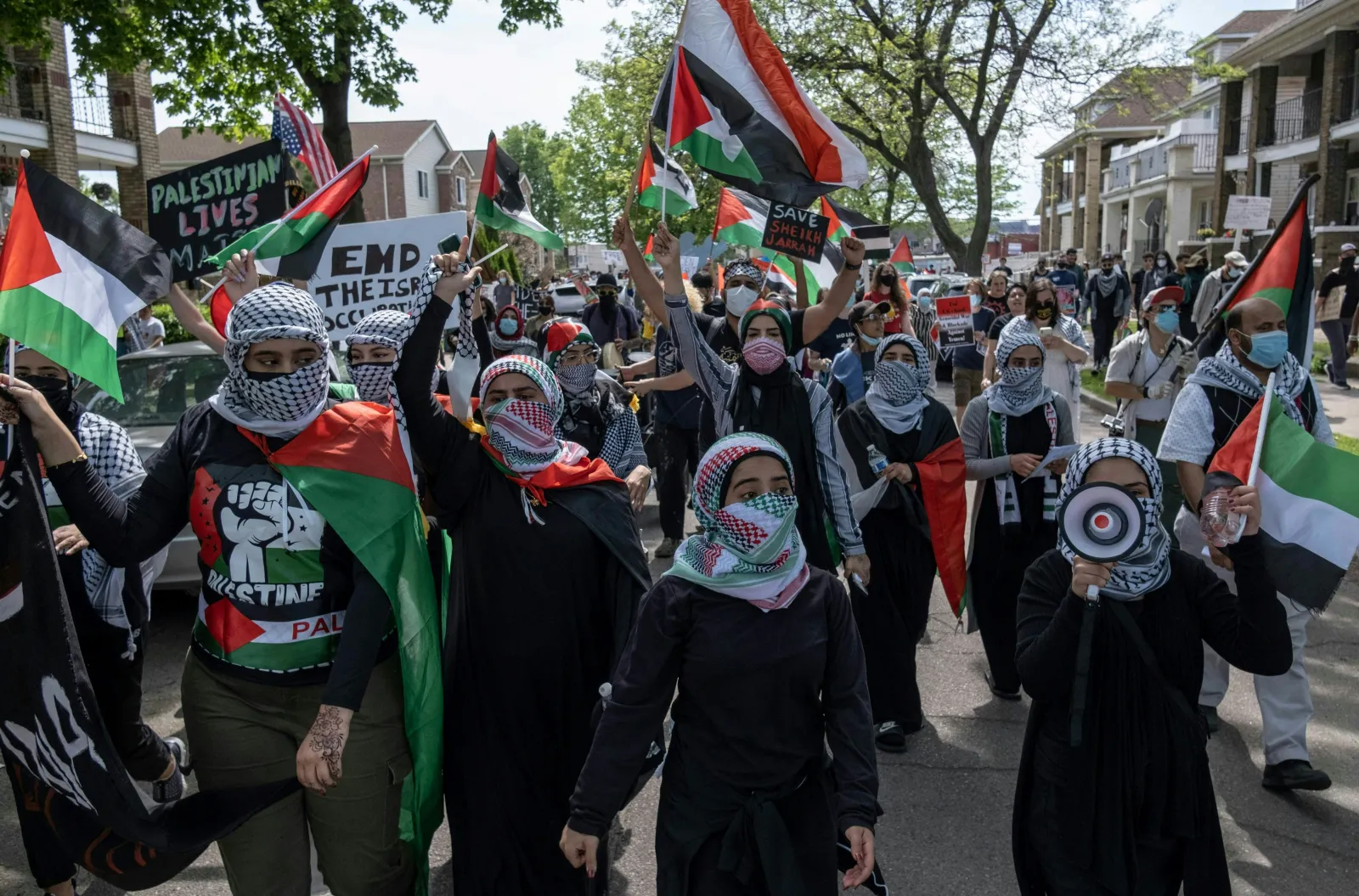

Ever since Saudi Arabia's fellow Gulf states of the United Arab Emirates and Bahrain became the first Accords signees to normalize relations with Israel in 2020, the big question lurking in the background has been when Saudi Arabia—the most important Sunni Arab country for historical, cultural, and religious reasons—will itself join the Accords. MBS yesterday seemed noncomittal, at best: He tantalizingly espoused a broad interest in joining the Accords circle of peace, but he also seemed to tie that interest to the affirmative creation of a new Palestinian-Arab state—a nonstarter in a post-Oct. 7, 2023 world, and something that directly contravenes the American national interest as well.
Trump could have easily conditioned some, or all, of these new promised goodies for Riyadh on the kingdom agreeing to join the Abraham Accords with no extraneous strings attached. But he didn't do so. One must therefore ask: Lip service aside, does this administration genuinely care about expanding the Accords, and the strategic Iran containment alliance the Accords represent? It's unclear.
But it's not too late for Trump to speak up and attempt in earnest to incentivize Saudi Arabia to join the Accords. He should do so posthaste. Saudi Arabia is a quintessential transactional ally, and we should treat it as such—including making quid pro quo-style requests and soft demands, as one might expect from such a purely transactional relationship. Isn't that the true "art of the deal," after all?
To keep up with me, follow me on X, Instagram, and Facebook. You can listen to all episodes of "The Josh Hammer Show" on Apple, Spotify, or wherever you get your podcasts—as well as select radio stations across the country. You can also now watch all episodes of "The Josh Hammer Show" at Newsweek's YouTube page (as well as at Salem News Channel, due to our partnership with Salem Media Group)! If you haven't already done so, make sure to also order my book, Israel and Civilization: The Fate of the Jewish Nation and the Destiny of the West! Signed copies of the book are also available for purchase.
I'll be off next week for Thanksgiving. I wish you all a very happy Thanksgiving! In case you missed it at the time, here was my column last year on the meaning and significance of this most quintessential of American holidays. Have a great rest of your week, and you will receive your next edition of "The Josh Hammer Report" in December!

No comments:
Post a Comment