ekathimerini.com
Geostrategic power, the Balkans and pipelines
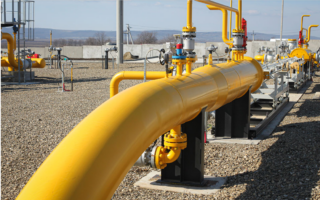
On New Year’s Eve, the Thessaloniki-Skopje oil pipeline was put into operation. It has the potential to expand to neighboring markets such as Kosovo, southern Serbia, or even Bulgaria, while the natural gas interconnector that will run from Nea Mesimvria in Greece through Evzoni (Macukovo) and Gevgelija at the border to Negotino in North Macedonia, is expected to be operational in October.
In addition to the economic benefits, the opening of two additional vertical corridors for oil and natural gas will boost Greece’s geopolitical footprint on the Balkan peninsula. Through its north, Greece will tie together the economies and societies of the Balkan hinterland with the coasts of the northern Aegean with strong energy and road links, harnessing the power of geography and taking advantage of the abolition or relaxation of borders.
For the record, modern highways connect Greece’s northern neighbors with Egnatia Odos, and through it a large part of their trade is carried out to Central Europe, as well as Asia. EU funds will also modernize and upgrade the road and railway infrastructure from Alexandroupoli to Ukraine and further to the Baltics, via Bulgaria and Romania. Pipelines already transport natural gas through Komotini and Sidirokastro to the central Balkans, and the same is planned through Alexandroupoli, when the complete ban on the supply of Russian gas from European countries will come into effect in the fall of 2027. The ports of Thessaloniki, Kavala and Alexandroupoli serve the need of transporting liquid fuels, bulk cargo, containers etc, making them irreplaceable in the smooth supply of their economies and the cost of goods.
If we add to all this the beaches and markets of Northern Greece which attract tourists from the Balkans, one understands why this strip of land from Olympus to Evros has acquired increased geostrategic interest.
And if the centers forming (geo)politics in Athens have not realized or refuse to accept the role that Macedonia and Thrace – with their natural endowment and infrastructure – are called upon to play in the tectonic changes taking place in the region, some others have realized it and are boosting and upgrading their diplomatic missions in Thessaloniki to better and more closely analyze developments and benefit their interests.
Even Viktor Orban’s Hungary opened a consulate in Thessaloniki last week, which will be housed in the same building as the Serbian consular mission of his like-minded leader Aleksandar Vucic.

No comments:
Post a Comment