| | | | | The Bulletin | August 28, 2026 |
| |
| | |
|  | | | Good morning. We begin with a war that got complicated. |
| |
| | |
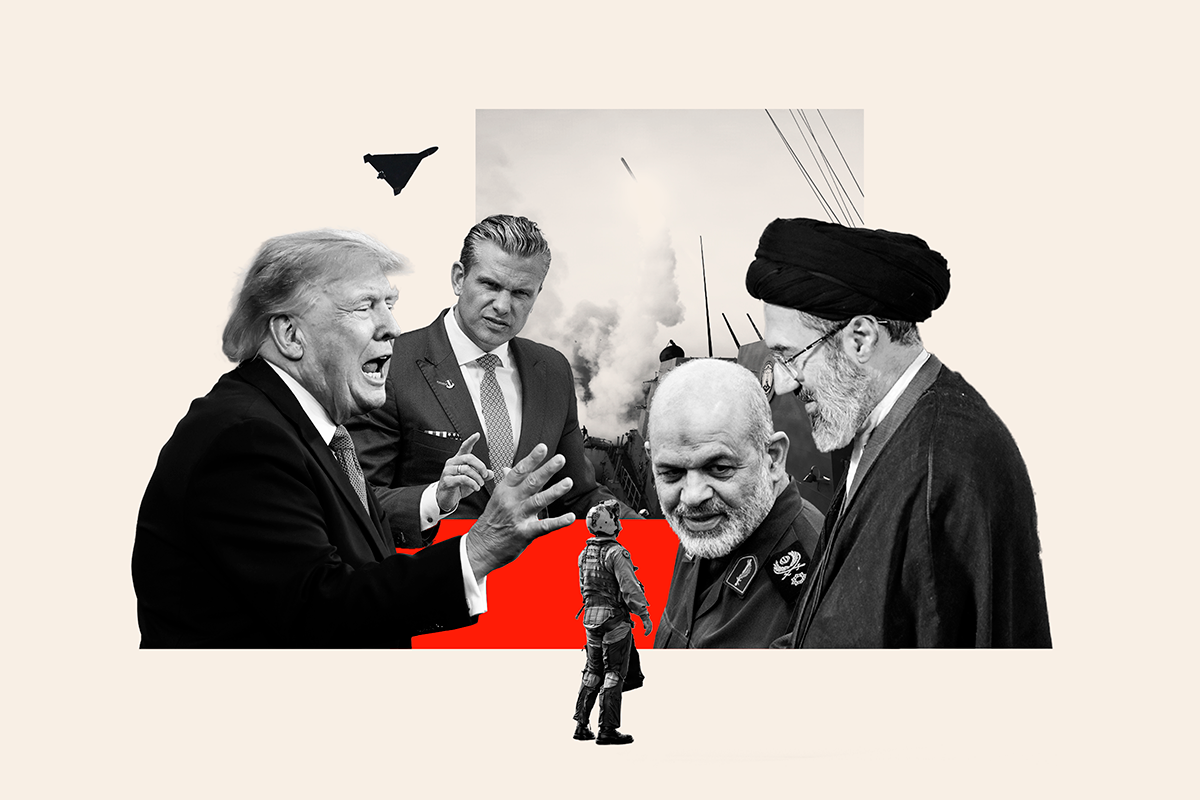
| | | Six months after the U.S. launched Operation Epic Fury against Iran, the war has settled into an uneasy stalemate. | The opening strikes killed Iran's supreme leader and battered its military, and for a moment Trump seemed to believe the Islamic Republic itself might fall. That hasn't happened. Instead, Washington finds itself negotiating over Iranian terms that would have seemed unthinkable when the bombs first fell. | So, where does a war go when the world’s most powerful military can inflict extraordinary destruction, but can’t impose an ending? David Averre lays out five paths the conflict could take from here, from a narrow shipping deal to a full return to open warfare. | On a related note, Iran's most dangerous card may not be missiles or the Strait of Hormuz, but its code.
With its military battered and its economy squeezed, Tehran has leaned harder into cyberwarfare, a domain where it doesn't need parity with Washington to do real damage. | Even as the U.S. and Iran remain locked in their own standoff, Washington faces a second, quieter front; this time with China. | X just took down a 200,000-account-strong Chinese bot farm pushing the idea that AI data centers are driving up your electricity bill. In the race to establish AI dominance, Beijing’s low-cost propaganda campaign on X is only one small sign that it’s apparently willing to do whatever it takes to win, writes John Feng. | Meanwhile, New Mexico has sued the Trump administration, accusing federal officials and border wall contractors of drilling water wells without permits and pumping groundwater needed for construction projects along the U.S.-Mexico border. | In other news, Anna Rahmanan looks at how technology sold as a crime-fighting tool is turning conservatives into privacy hawks, reshaping one of the most traditional divisions in American politics: the tension between law-and-order policing and civil liberties.
Lastly, Cook Political Report has shifted the Florida governor’s race from “Solid Republican” to “Likely Republican,” signaling that the contest may be more competitive than previously expected. | Scroll down for Newsweek’s latest coverage. |
| |
| | |
| | | | | | | Megha Mishra is a Newsletter Producer at Newsweek based in Mumbai, India. You can reach her at m.mishra@newsweek.com. |
|
|
| |
|
| | | | | | | | | Iran’s hidden weapon: As the U.S.-Israeli war against Iran reaches the six-month mark, a dedicated Iranian cyber campaign could strike at the heart of the U.S. and potentially prove even more disruptive to both national security and everyday life. Find out more. Norway’s King Harald dies: Norway's King Harald has died at the age of 89, the royal palace said on Friday. The royal family visited the king in the 24 hours leading up to his death, and crowds laid flowers at the place. Read more. Trump's approval rating: President Donald Trump's decision to allow more tariff-free imported beef has triggered backlash from some cattle producers and local leaders, but new polling suggests it has yet to produce a measurable shift. See where his approval stands now. Cyclospora update: The Food and Drug Administration (FDA) on Thursday classified recalled lettuce linked to a widespread cyclospora outbreak at the highest possible risk level, as it confirmed illnesses in three additional states. Know more. Mail-in ballot: A federal judge has temporarily blocked key portions of the Trump administration’s new rules governing mail-in ballots. All you need to know.
|
| |
| | |
| | | | | Iran | Trump’s Iran War at Six Months: 5 Scenarios for What Comes Next |
| |
| | |
| | | The rundown: Six months after Operation Epic Fury began, Trump's war in Iran hasn't ended; it's just changed shape. Find out how. | Why it matters: The regime survived the opening strikes that killed its supreme leader, the Revolutionary Guards have tightened their grip, and Tehran has turned the Strait of Hormuz into leverage instead of a liability. Iranian and Omani foreign ministers met in Tehran this week to discuss a temporary shipping corridor through Hormuz and joint mine-clearing, with talks expected to continue toward a permanent navigation arrangement. Following Trump’s warning of economic D-Day last week, Iranian security chief Rezaei threatened retaliation via strikes on more energy infrastructure. Several experts said that such strikes could push the likes of the UAE, Saudi Arabia and Oman—countries whose hydrocarbon-based economies have little tolerance for prolonged disruption—to withdraw any support for U.S. sanctions. | Read more in-depth coverage: | Map Shows How Iran Evades Trump’s Blockade Amid ‘Economic D-Day’ Threat | What happens next? America may find itself trapped in that most familiar of Middle Eastern predicaments: too invested to walk away, but unable to impose an ending. |
| |
| | |
| | | | | Catastrophe | Nepal Flood Update: List of Americans Missing as Death Toll Hits 475 |
| |
| | |
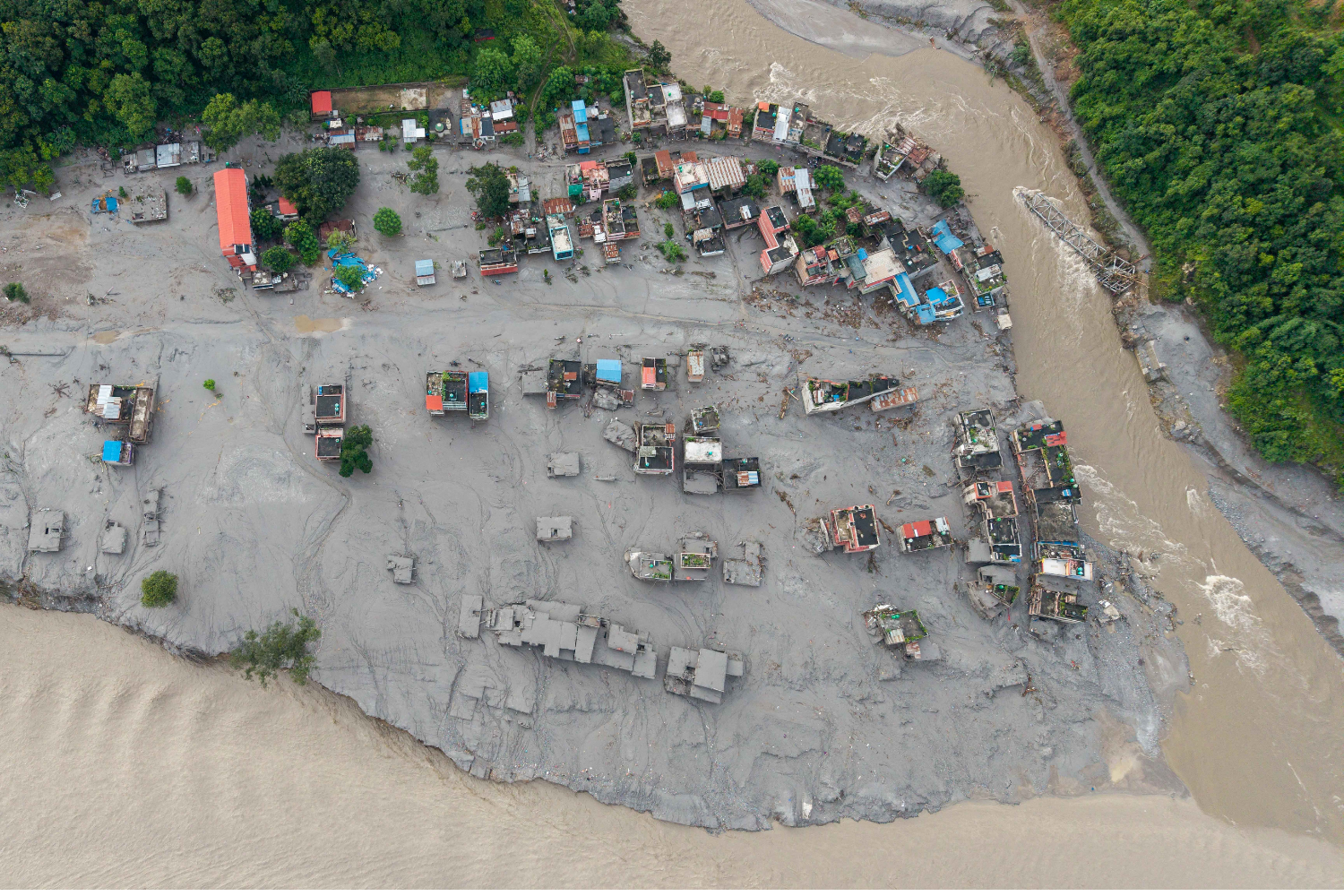
| | | The rundown: A preliminary list published by authorities in Nepal includes 63 Americans among those still out of contact after devastating flooding that has killed at least 475 people in the Rasuwa district, according to Nepal Police. Get the latest update. | Why it matters: The latest list includes 65 U.S. citizens listed as out of contact, though two have since been announced as rescued by the Nepal Tourism Department. The document describes those named as "out of contact." Authorities have not said whether those listed are confirmed missing, injured, stranded or otherwise unable to communicate because of the disaster. The State Department said it had deployed a disaster response adviser to the region and was providing $500,000 in humanitarian assistance to support emergency shelter, relief supplies and water and sanitation services in affected communities. The department has also said it is working with Nepalese authorities to locate and assist U.S. citizens in the flood-hit areas. | Read more in-depth coverage: | Map Shows US Glaciers at Risk After Nepal Disaster | What happens next? President Donald Trump said the United States had offered Nepal "any help that they need" following the disaster, and that American officials were working to assist U.S. citizens affected by the flooding. |
| |
| | |
| |  | | | | | AI | The Next Target in China’s Secret War Against US Data Centers |
| |
| | |
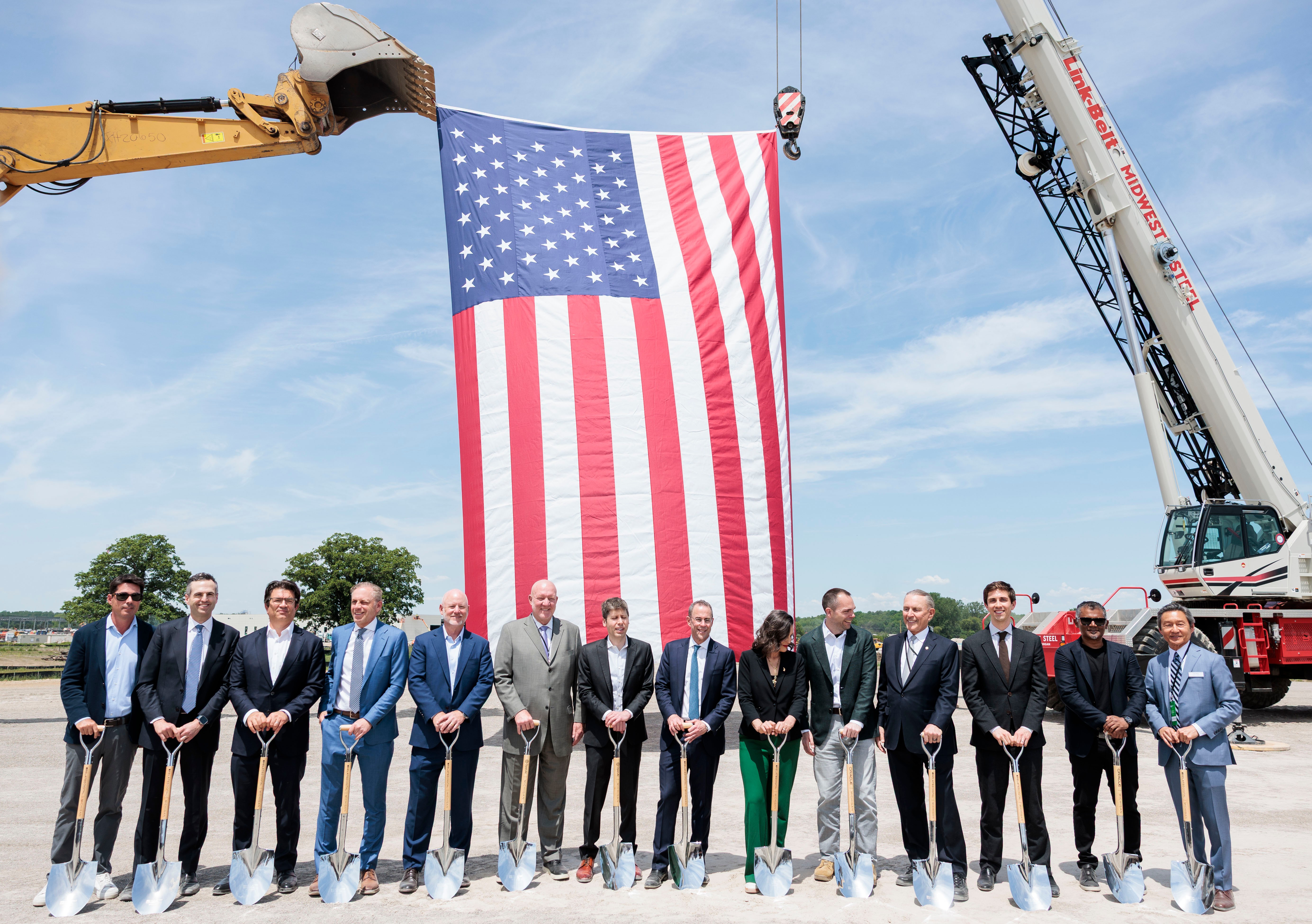
| | | The rundown: Elon Musk’s social media platform X recently took down a sprawling Chinese bot network — some 200,000 accounts — that had been quietly fueling American anger over data centers, pushing the idea that AI infrastructure is driving up household electricity bills. All you need to know. | Why it matters: Hundreds of fake accounts were “posting in a manner that could manipulate a legitimate debate about American AI and energy policy,” X said. China is in a race with the U.S. to dominate the AI era, from the diffusion of its own AI models worldwide to setting the standards for AI governance. Beijing has never been in a stronger position to lead, and a low-cost propaganda campaign on X is only one small sign that it’s apparently willing to do whatever it takes to win. The China-linked bot farm, which comprised 200,000 active and backup accounts, posted “claims that AI data centers are driving up household electricity prices and straining the grid,” X said. | Read more in-depth coverage: | Data Centers Know They Have an Image Problem. They’re Trying to Fix It. | What happens next? The U.S. is already waking up to the possibility that China might try whatever tactic—low or high cost—to overtake the U.S. lead in emerging technologies like AI, chiefly for the sake of its own economic security. |
| |
| | |
| | | | Military | Pentagon Purged ‘Stars and Stripes’ for USS Lincoln Reports: Lawsuit |
| |
| | |
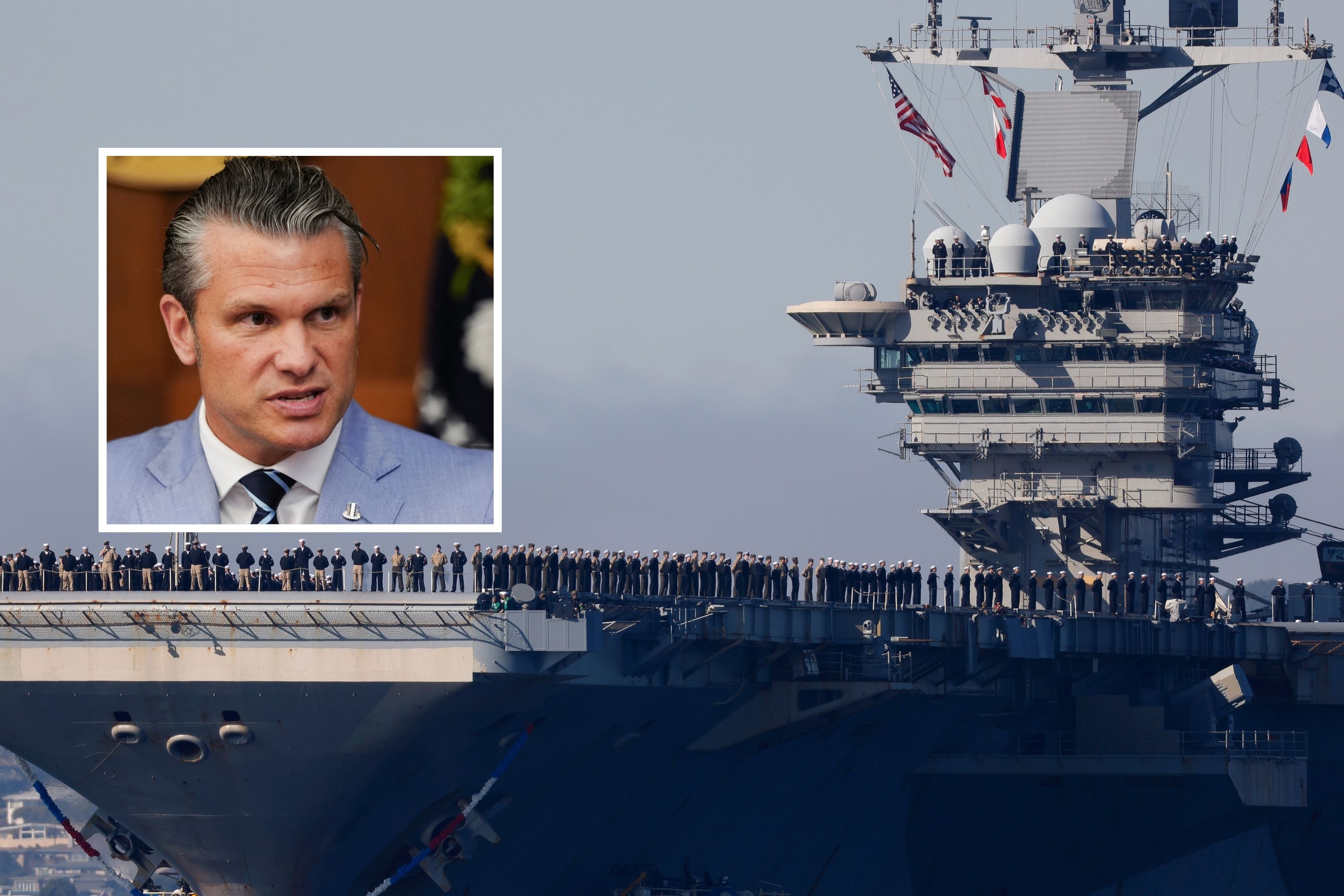
| | | The rundown: Three journalists fired from the government-backed Stars and Stripes military newspaper earlier this month are suing the Pentagon, alleging they were punished for publishing news reports about conditions on the USS Abraham Lincoln aircraft carrier. Here’s what we know. | Why it matters: Max Lederer, the outlet's then-publisher, editor-in-chief Erik Slavin and Middle East correspondent Lara Korte allege they were fired for "speaking up as private citizens in support of the press’s freedom to cover military operations, its need to reach all servicepersons," according to documents filed on Thursday. The complaint alleges they were axed from their jobs partly "in retaliation for their publication of a news report on deteriorating conditions" on the USS Abraham Lincoln, which has spent a record-breaking run at sea while deployed in the Middle East during the U.S. war with Iran. Stars and Stripes is funded by the U.S. government, but has long said it is editorially independent of the Pentagon. | Read more in-depth coverage: | Pentagon Firing Military Newspaper Editor Raises First Amendment Question | What happens next? Defense Secretary Pete Hegseth, Pentagon official Andrew Brey, and Pentagon spokesperson Sean Parnell were all named in the suit in their official capacities. |
| |
| | |
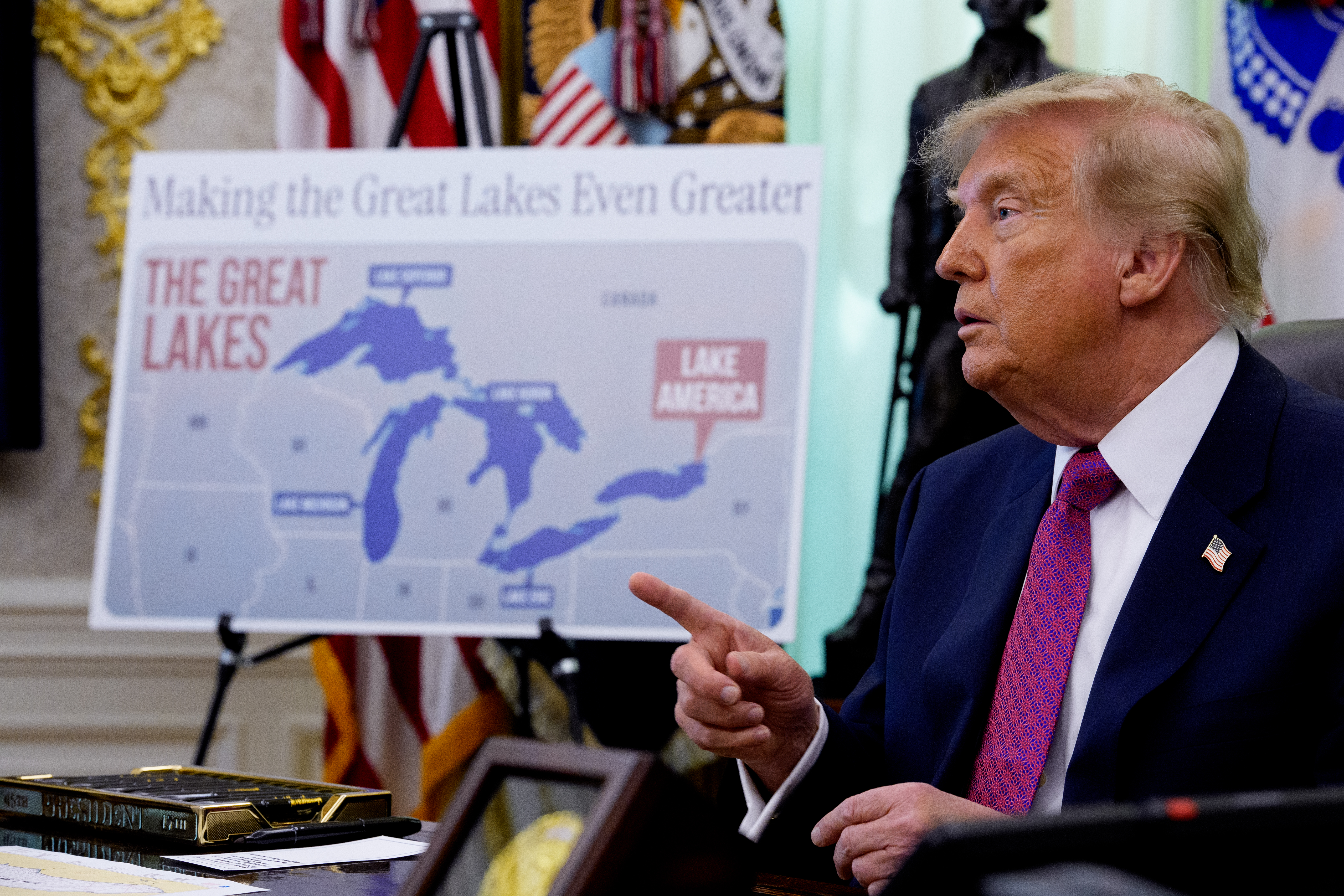
| | | | World | Mark Carney Fires Back After Trump Renames Lake Ontario to Lake America |
| |
| | |
| | | The rundown: President Donald Trump's executive order renaming Lake Ontario “Lake America” for U.S. government use has sparked a response from Canadian Prime Minister Mark Carney, who highlighted that the name is over 400 years old and said, "America is changing." Find out more. | Why it matters: The order updates the lake’s name in the U.S. geographic naming system, but Canada is not required to adopt the change and has given no indication it will. Speaking to reporters, Trump criticized Canada’s approach to trade, calling it difficult to deal with and accusing the country of feeling “entitled.” Carney reacted to the move, saying on X on Thursday in part, "We know that America is changing. Their trading relationships, their foreign policies, their national monuments, their hydronyms. Canadians also know that naming reality means calling it Lake Ontario – then, now and always." The executive order follows days of public remarks in which Trump suggested the name change after U.S.-Canada trade talks broke down. The administration recently announced 50 percent tariffs on $20 billion worth of Canadian goods, deepening tensions between the two longtime allies. | Read more in-depth coverage: | Trump’s Approval Rating Compared To Mark Carney Amid Trade War | What happens next? Trump can direct the federal government to use a different name for Lake Ontario through an executive order for U.S. government purposes. Such an order allows federal agencies and mapping systems under U.S. authority to adopt the new designation. However, the president cannot compel Canada, foreign governments or international organizations to recognize the change. |
| |
| | |
| | | | | | One Deeper Read | | | The 9/11 Mastermind Was Named in Intel Report, Which Should’ve Alerted the CIA | For the 25th anniversary of the September 11th attacks, Newsweek is republishing a day-by-day reconstruction of the events that led to the worst terrorist attack on American soil. If you'd like to receive each day's entry by email, become a Newsweek Member today. | Yesterday: Ziad Jarrah was a computer programmer by day, terrorist by night. He bought a poster of the Boeing 757 cockpit to study and to share with other 9/11 plotters. | August 28, 2001: The CIA Counterterrorist Center (CTC) received a human intelligence report from the field on August 28 saying that the nickname "Mukhtar" was associated with an individual named Khalid Sheikh Mohammed (KSM). | |
| |
|
| |
|






No comments:
Post a Comment