| |  Shanghai Shanghai | Dhaka |  Bandar Abbas Bandar Abbas |
 | Flagship |  |
| |
|
The World Today | 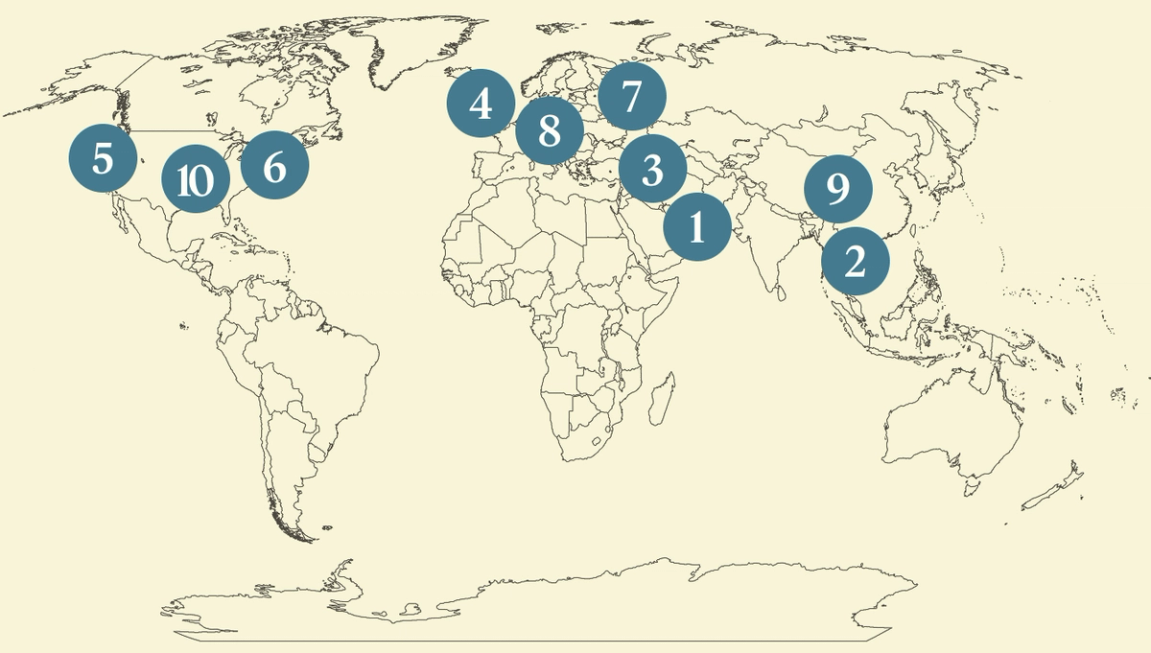 - Oil prices fall below $100
- Asia feels energy crunch
- Conflict’s stagflation concerns
- Geoeconomic fallout of war
- Anthropic sues Pentagon
- Live Nation-DOJ settlement
- CCTV use in warfare
- Chinese robots in Europe
- Fake meat trend in China
- GLP-1s for drug addiction
 The last words of a Scottish icon. |
|
Oil dips as Trump says war ‘complete’ |
|
Asia feels pain of Iran energy shock |
 Ann Wang/Reuters Ann Wang/ReutersAsian nations are feeling the crunch of the Iran war’s energy shock. Government employees in the Philippines are working four days a week to reduce energy usage in the face of rising oil prices, while South Korea and Thailand said they will cap fuel prices. Bangladesh shuttered universities starting Monday to conserve energy. The region is especially vulnerable because it receives much of the oil that typically passes through the Strait of Hormuz, which is now effectively closed. “A part of the world that has for decades powered global economic growth looks perilously close to running on empty,” The Economist wrote. China, however, is seen as well-insulated, given its significant oil stockpiles. |
|
Stagflation fears take hold |
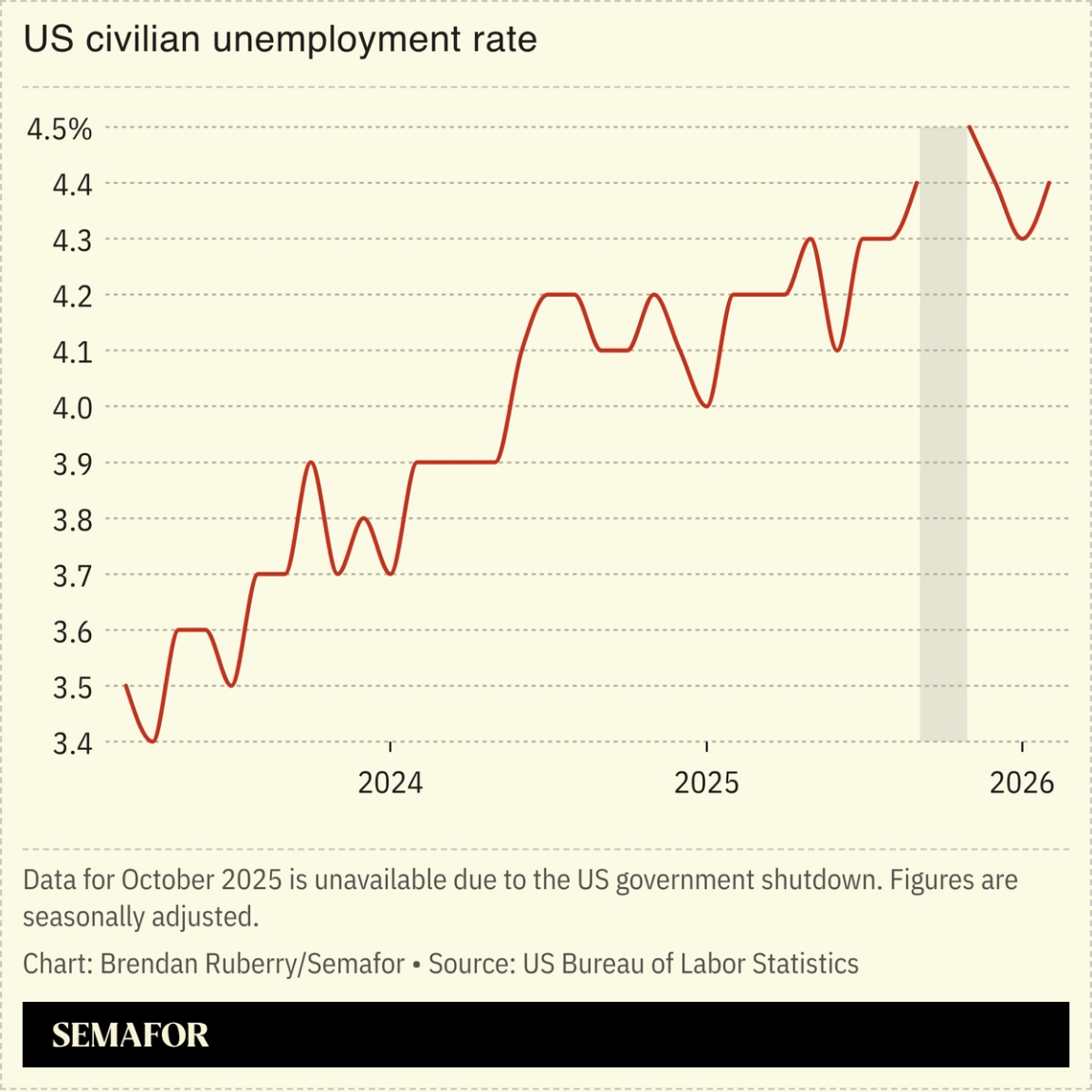 The Iran war is reviving fears of stagflation — high inflation coupled with sluggish growth — for the global economy. Investors “have had to increase their probability of the worst-case scenario,” a portfolio manager said, as rising oil prices trigger an energy shock and risk blunting growth momentum. The concerns caused government bond yields globally to soar. The conflict poses a challenge for central banks, which could risk fueling inflation by cutting interest rates, but risk dampening growth by doing nothing. Traders now see the US Federal Reserve trimming the cost of borrowing only once or twice this year, with the first cut not happening until September. |
|
Lasting geoeconomic impacts of war |
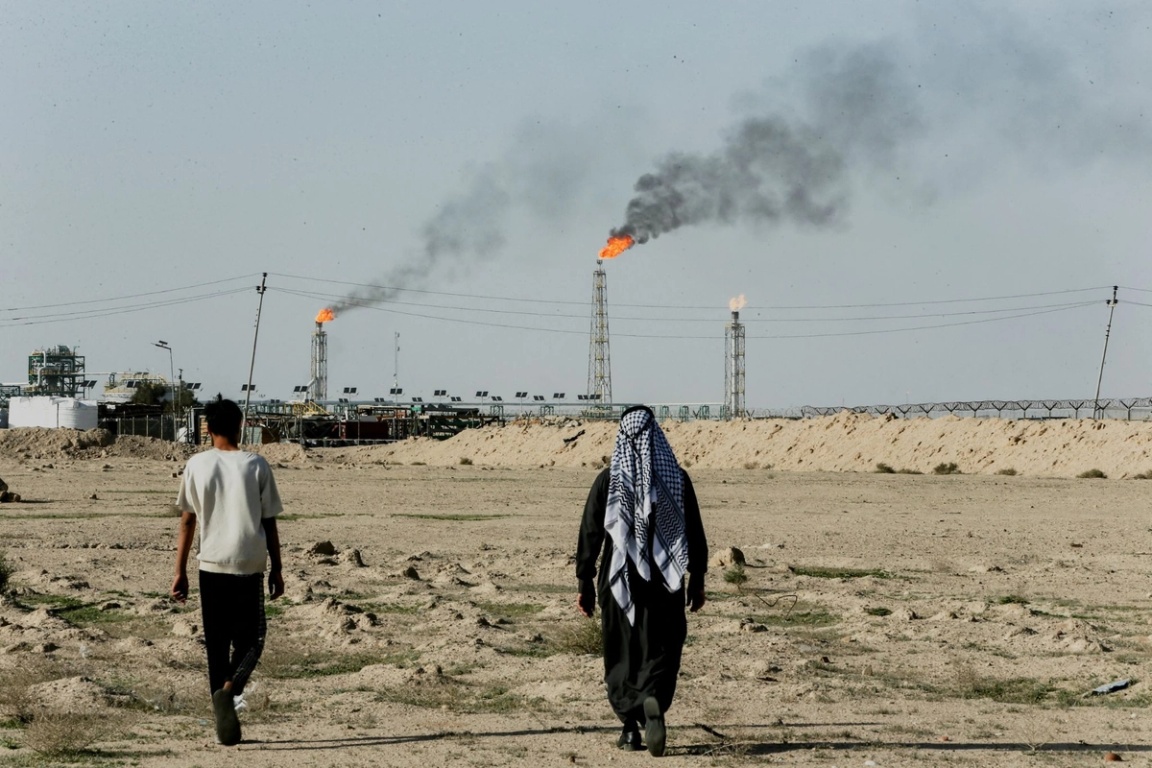 Essam al-Sudani/Reuters Essam al-Sudani/ReutersRegardless of Monday’s oil price retreat, the war in the Middle East will have lasting impacts on markets and global economics, analysts said. The conflict threatens to ripple through global bond markets, which in turn can have political ramifications, the Financial Times’ global business columnist argued: “This war and this market story will be with us for some time.” Wall Street’s relatively muted reaction so far may be rooted in the long-standing notion of “US exceptionalism,” but the crisis will test that optimism, a financial journalist argued. The disruption, a Kpler analyst said, could “reshape global oil flows and test the resilience of the international energy system in ways not seen for decades.” |
|
Anthropic sues the Pentagon |
 Jason Reed/Reuters Jason Reed/ReutersAnthropic sued the US Department of Defense on Monday after the Pentagon labeled the AI startup a national security threat over disagreements on the technology’s use in warfare. The action marks the latest chapter in the feud between the Trump administration and the Claude maker that stemmed from political differences last year, Semafor’s Reed Albergotti reported. The Pentagon has now classified Anthropic as a supply chain risk, a label normally wielded against Chinese and Russian firms. Legal experts say Anthropic has a strong case, The Information noted, partly because the security laws are meant to prevent outside sabotage and spying, which the company isn’t accused of. Despite the dustup, Claude played a central role in the US military campaign against Iran. |
|
Live Nation settles with US DOJ |
 Jennifer Gauthier/Reuters Jennifer Gauthier/ReutersUS ticketing giant Live Nation reached a tentative settlement with the Department of Justice on Monday to avoid a breakup with its controversial platform Ticketmaster. The outcome, which had already prompted the ouster of the US’ top antitrust enforcer, outraged dozens of states attorneys general and venue operators. The federal judge overseeing the case also appeared to be blindsided by the settlement. Americans’ leisure spending on outings like concerts has been strong post-pandemic — Live Nation’s latest earnings got a boost from bigger and more international shows; analysts expect the company can easily make up the $200 million in damages it owes under the settlement. |
|
|


No comments:
Post a Comment