19FortyFive


Key Points and Summary – Turkey’s failed 2016 “coup” became the pretext for President Recep Tayyip Erdogan to remake the Turkish military and crush perceived opponents.
-Tanks on bridges and F-16s over Ankara quickly gave way to a brutal purge that gutted the officer corps, with F-16 pilots singled out for harsh punishment.
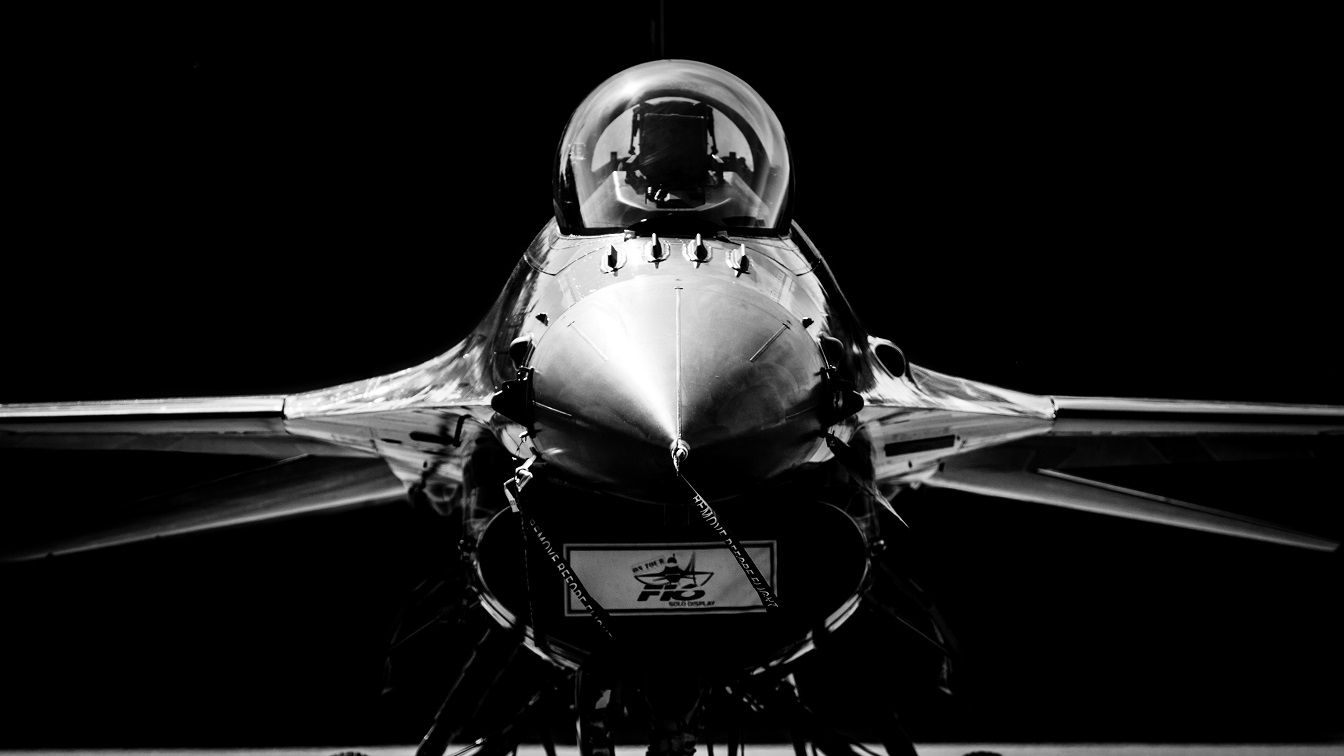
F-16. Image Credit: Creative Commons.
-Hundreds of aviators were fired, jailed, or given life sentences, leaving Turkey with fewer combat pilots than fighter jets and forcing emergency recalls from civilian airlines.
-Closing the Air Force Academy and stripping cadets of rank deepened the damage.
-Nearly a decade later, the Turkish Air Force is still struggling to recover.
Turkey’s F-16 Pilot Crisis: The Real Cost of the 2016 Coup
The Turkish military has conducted many coups over its history. But the one that failed was in July 2016, when splinter military units, concerned with President Recep Tayyip Erdogan’s brand of Islamist politics and authoritarianism, rebelled.
Erdogan had cracked down on free media. And the coup was very short-lived, and less than a day later, it collapsed. Many political analysts believed that it wasn’t a coup at all, but a false flag operation perpetrated by Erdogan’s government to quash secular Turkish generals and imprison followers of Muslim cleric Fethullah GülenGülen, who was living in exile in the United States.
Tanks And Aircraft Made A Show, But Just as Quickly Stood Down
At 10:00 pm on July 15, 2016, Turkish Air Force fighter jets took to the skies over Ankara, while 325 kilometers to the west, tanks of the Turkish Army stopped traffic on the bridges that tie together the European and Asian portions of Istanbul, but curiously only in one direction.
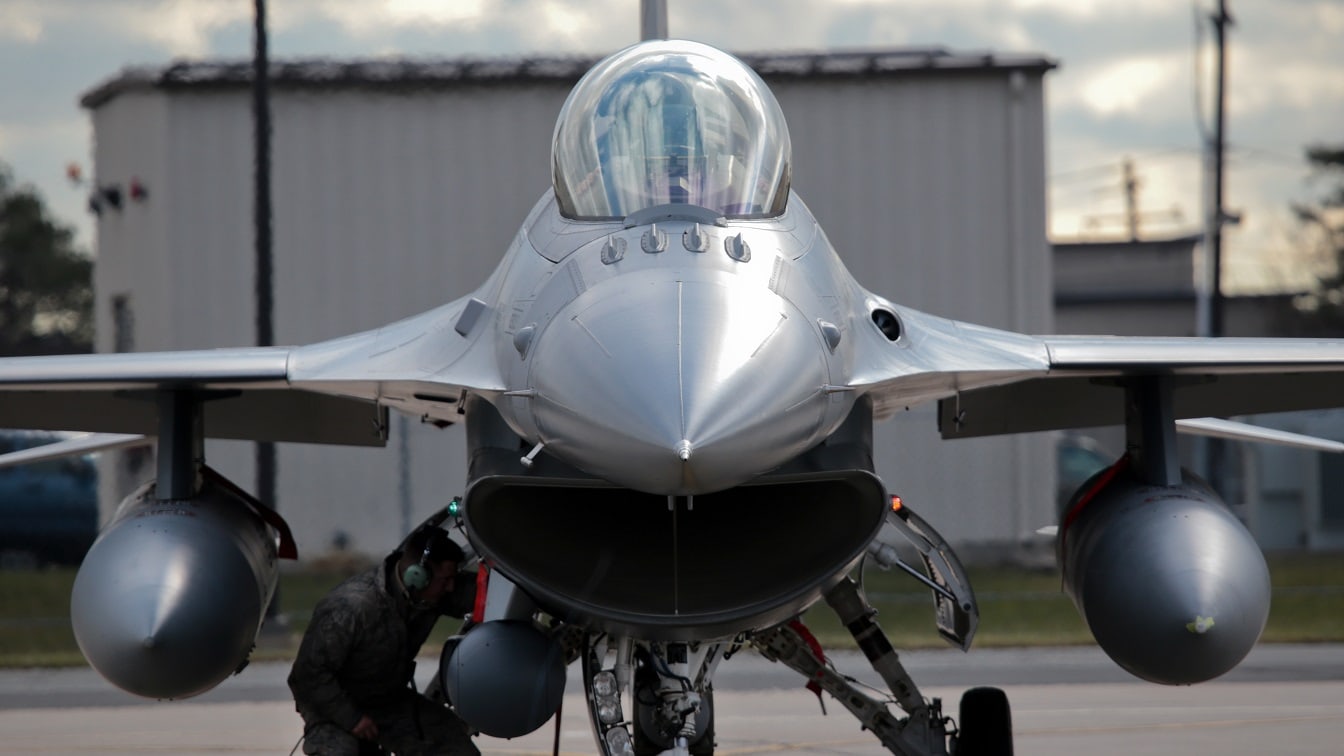
U.S. Air Force Senior Airman Austin Daniel, an F-16 crew chief from the New Jersey Air National Guard’s 177th Fighter Wing, looks over his assigned aircraft prior to a training mission at Atlantic City Air National Guard Base, N.J., Dec. 17, 2014. (U.S. Air National Guard photo by Tech. Sgt. Matt Hecht/Released)
The rebels launched simultaneous raids aimed at seizing several key objectives. These included the General Staff Headquarters in Ankara, plus the police special-forces base, Istanbul’s Atatürk Airport and city hall, the national public-broadcasting station, and facilities critical to controlling the national telecommunications and satellite systems.
At about 11 pm, Prime Minister Binali Yıldırım spoke live on a mainstream news network, calling the ongoing operation an insurrection. Just after midnight, President Erdogan spoke and charged that a minority within the Turkish armed forces, led by Fethullah Gülen and his loyalists, was trying to override the people’s will and to “invade” Turkey.
Erdogan called on citizens to rally and to take back Atatürk Airport. More than 80,000 mosques across the country joined the president’s call and urged resistance to the coup.
In Istanbul and Ankara, thousands poured into the streets to block the tanks’ paths. The death toll was five anticoup soldiers, 62 police officers, and 173 civilians.
The wounded numbered more than two thousand. It had been by far the bloodiest coup in Turkish history.
Erdogan Quickly Cleans House Of Real And Imagined Enemies
Erdogan and his ruling Justice and Development Party (AKP) quickly acted to further cement his authoritarian regime. Senior military officer ranks were purged, even though mid-level officers carried out a half-hearted (at best) coup. Over 6,000 people were arrested.
Of Turkey’s 358 generals and admirals in the armed forces, 151 were arrested, as were 1,656 colonels (mainly from the Air Force and Gendarmerie) and about 3,500 junior officers.
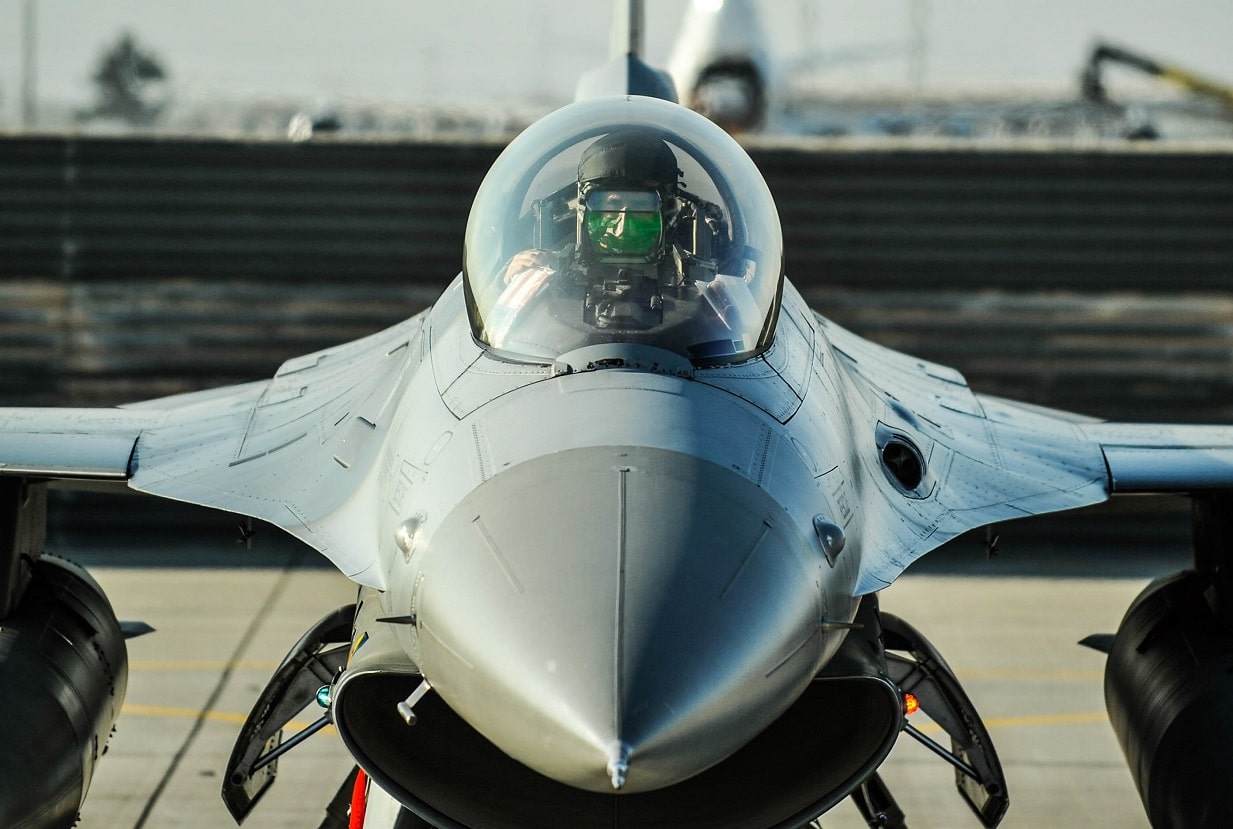
Lt. Col. Thomas Wolfe, the 455th Expeditionary Operations Group deputy commander, performs preflight checks on an F-16 Fighting Falcon at Bagram Airfield, Afghanistan, Feb. 1, 2016. The 421st EFS, based out of Bagram Airfield, is the only dedicated fighter squadron in the country and continuously supports Operation Freedom’s Sentinel and the NATO Resolute Support missions. (U.S. Air Force photo/Tech. Sgt. Nicholas Rau)
Turkey’s chief of the general staff, General Hulusi Akar, and the other top military commanders refused to support the coup plotters, who were brigadier generals and colonels.
Almost half of all brigadiers involved in the coup attempt had been appointed after 2013, following the purges of secular-Kemalist senior officers during the Sledgehammer cases.
F-16 Pilots Purged, Gutting The Air Force
One particular group of officers (F-16 pilots) was singularly targeted. F-16 pilots played a central role, with some flying jets to bomb government buildings and attack positions.
In contrast, loyalist F-4 pilots effectively countered them by bombing F-16 airfields, leading to purges of 274 pilots post-coup, crippling the Turkish Air Force and creating a severe pilot shortage.
Perhaps it was because during the “coup” when Erdogan was flying back to Ankara from a vacation at the coast, F-16 pilots had his aircraft in their sights, but failed to fire.
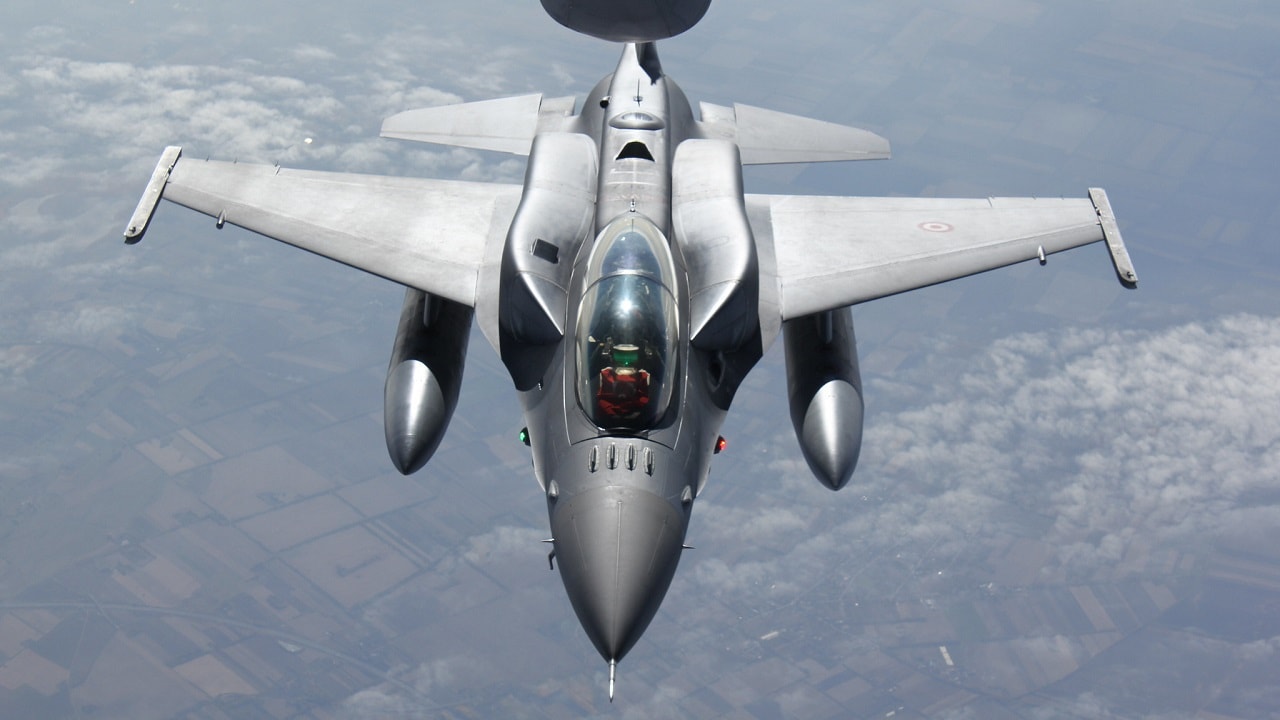
NATO F-16 Fighter. Image Credit: Creative Commons.
Many accused F-16 pilots were given life sentences in mass trials, though defense lawyers argued evidence was mishandled. The government’s massive purge of experienced pilots, many of whom were charged with disloyalty, left a significant gap, forcing Turkey to seek external help and to attempt recalls for years.
With a critical shortage of combat pilots for Turkey’s F-16s, “the Turkish government has issued a decree that threatens 330 former pilots with the revocation of their civil pilot license, unless they return to Air Force duty for four years.
“It is unclear how the decision to compel a service return will impact unit morale,” the report added.
Erdogan then closed the Air Force Academy, the backbone of pilot education and training, on July 25, 2016. The government also stripped all new graduates that year of their officer titles. It transferred cadets who had not graduated or were still studying to other universities with no connection to military training.
Prior to the July 2016 “coup,” the air force had 1,301 pilots on active duty, of whom 668 were combat pilots. Erdogan’s government summarily purged 772 pilots without any military, administrative, or criminal investigation. It also suspended 113 pilots. With the number of retired pilots added to the tally, the air force at one time had fewer combat pilots than fighter jets in its fleet.
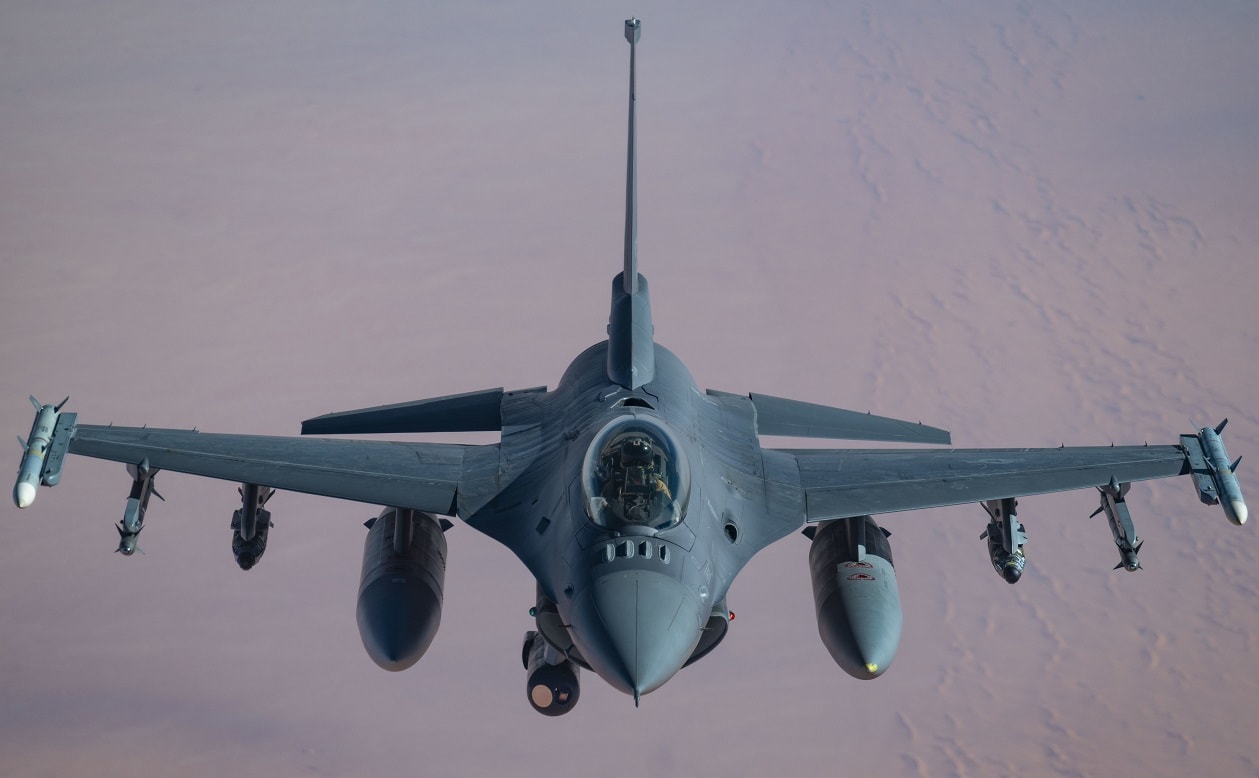
A U.S. Air Force F-16 Fighting Falcon receives fuel from a U.S. Air Force KC-135 Stratotanker, deployed to Al Udeid Air Base, Qatar, above the U.S. Central Command area of responsibility, Dec. 2, 2021. The F-16 Fighting Falcon is a compact, multi-role fighter aircraft that delivers war- winning airpower to the U.S. Central Command area of responsibility. (U.S. Air Force photo by Senior Airman Daniel Hernandez)
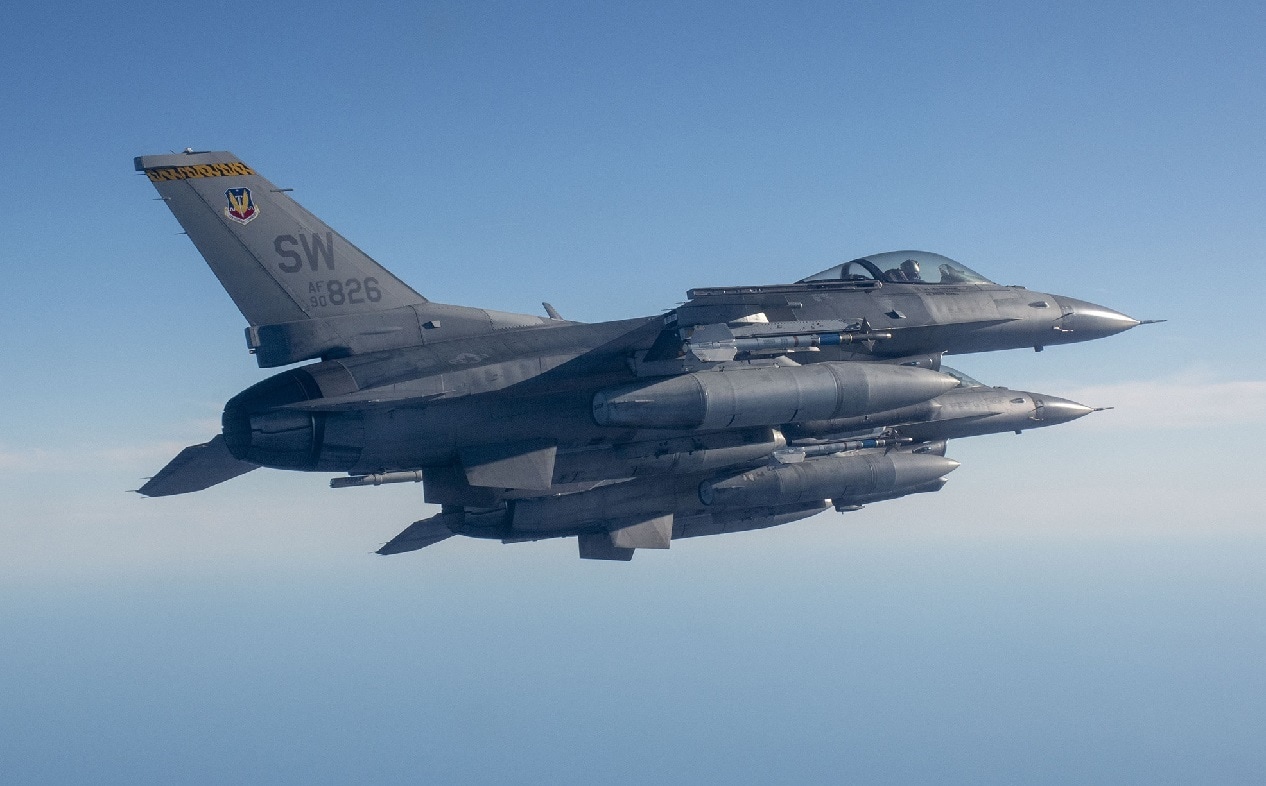
TYNDALL AIR FORCE BASE, Fla. – A pair of F-16C Fighting Falcons assigned to the 79th Fighter Squadron participate in the 53rd Weapons Evaluation Group’s Weapons System Evaluation Program East 22.02, hosted at Tyndall Air Force Base, Fla., Nov. 16, 2021. WSEP tests and validates the performance of crews, pilots, and their technology to enhance readiness for real-world operations.
As late as 2023, the Turkish Air Force was still short of qualified pilots.
Trials Purge Pilots To Life Sentences
Turkish courts sentenced 337 suspects to life in jail over the coup attempt. A total of 475 defendants were on trial, 365 of them in jail.
According to the Turkish news agency Anadolu, 25 F-16 pilots were given aggravated life sentences while four civilians were each given 79 life sentences.
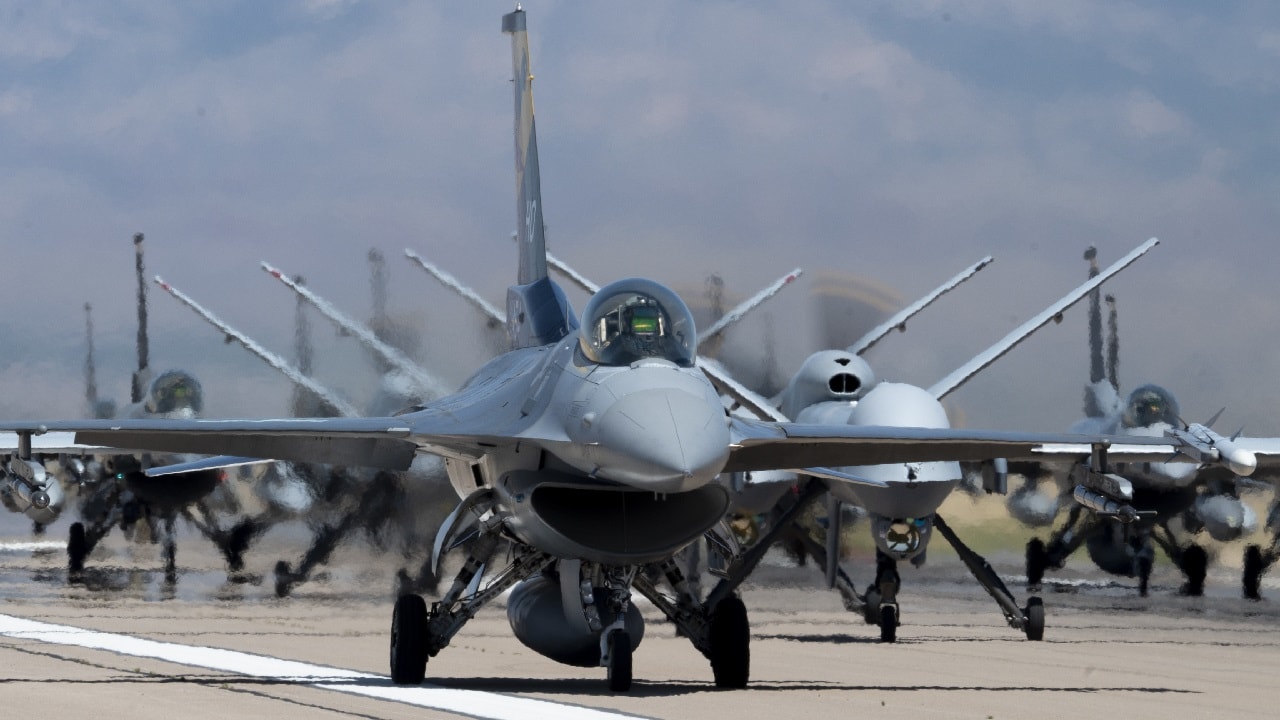
Forty-nine F-16 Vipers and MQ-9 Reapers assigned to the 49th Wing line up on the runway during an elephant walk at Holloman Air Force Base, New Mexico, April 21, 2023. The 49th Wing is the Air Force’s largest F-16 and MQ-9 formal training unit, building combat aircrew pilots and sensor operators ready for any future conflicts. (U.S. Air Force photo by Tech. Sgt. Victor J. Caputo)
Defense attorney Turgay Özcan, who represented five of those who were on trial. He told DW that the entire process was riddled with irregularities.
“The evidence was not properly and thoroughly evaluated during the investigation phase. As a result, the trial was not conducted properly,” he said.
“Aggravated life sentences” carry harsher terms than a standard life sentence. They were brought in to replace the death penalty, which Turkey abolished in 2004 as part of its long-stalled drive to join the EU.
About the Author: Steve Balestrieri
Steve Balestrieri is a National Security Columnist. He served as a US Army Special Forces NCO and Warrant Officer. In addition to writing on defense, he covers the NFL for PatsFans.com and is a member of the Pro Football Writers of America (PFWA). His work was regularly featured in many military publications.

No comments:
Post a Comment