| | Good morning. We begin in China. |
| | |
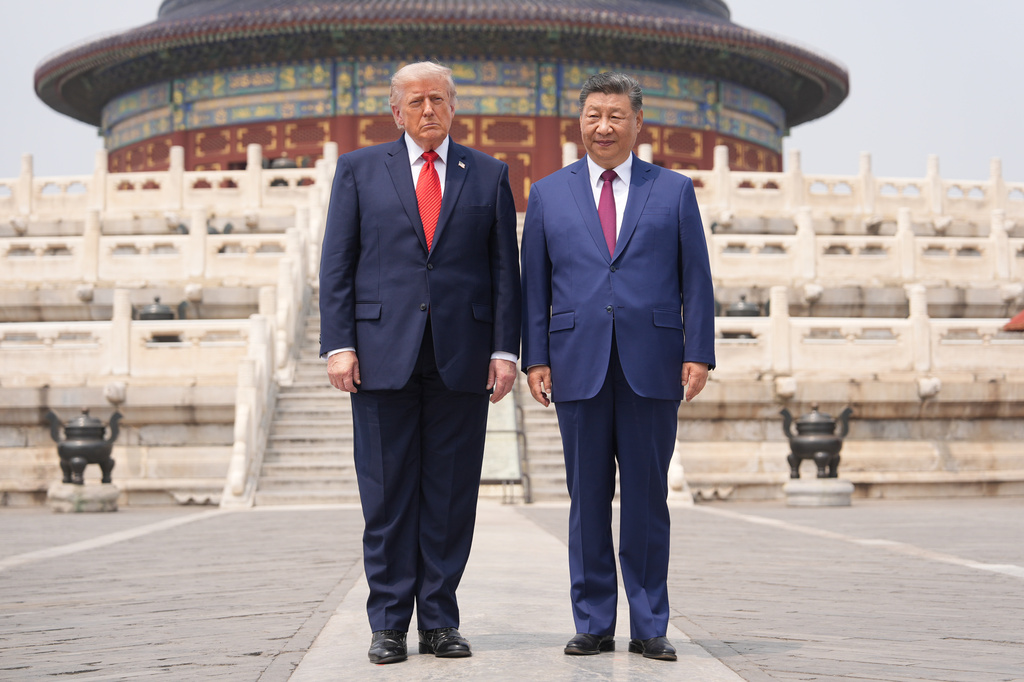
| Shane here, trying to resist the temptation to make lame Chinese puns that sail too close to the winds of cultural insensitivity. | Trump and Xi met in Beijing’s Great Hall of the People to discuss their differences on trade, Taiwan, Iran, Russia-Ukraine, North Korea, and more issues where both are decisive powers. | There’s much they don’t know about each other’s “spheres of ignorance”. | The pair emerged with an agreement to build a "constructive” and “stable” China-U.S. relationship, even if it came with a warning from Xi that mishandling Taiwan would lead to “conflict”. Expanding Chinese missile stocks sharpen the edge of that remark. | But all this talk is cheaper than Temu. What matters is the quality and durability of delivered goods. How this summit’s words translate into lasting material action on the key issues is yet to be seen. Both Trump and Xi have sold faulty products before. | The U.S. is also a hard sell for Trump in China, whose rapid advances don’t always need American ingenuity. Perhaps that’s why Chinese newspapers placed Trump in the sidebar when he arrived. | It was then off to the Temple of Heaven for Trump and Xi before a state banquet. The abundance of heaven meets the abundance of a Chinese buffet. As Trump chows down on dim sum, perhaps he’ll spare a thought for China’s old friend, Cuba. | No heavenly abundance there. Energy shortages and blackouts as Trump blockades Cuba’s oil supplies to squeeze the communists have sparked mass protests in Havana. People are at breaking point. How long until the regime buckles and Trump moves in? | Marco Rubio would be delighted. It might stop, for a time at least, all the focus on 2028. JD Vance is getting sick of the speculation about a joint ticket with Rubio. He’s busier with Medicare fraud right now and a freeze on new hospices. | Speaking of dodgy accounting, Kash Patel is under fire for allegedly inflating the FBI’s arrest numbers through all sorts of jiggery pokery. The FBI pushed back strongly. But it’s yet another cloud over Patel’s leadership. When do we start calling him “embattled”? | Elsewhere in the intelligence world, Tulsi Gabbard’s office firmly denied reports that the CIA had raided them to seize JFK and MKUltra files, which sparked concern from Rep. Luna, charged with leading a House Oversight task force on transparency. | It came as the House Oversight Committee released the transcript of Howard Lutnick’s testimony about Jeffrey Epstein, another focus of Luna’s secrets-busting task force. | In other news, there was a stunning development in Alex Murdaugh’s murder case. Spencer Pratt has drummed up support for his LA mayoral run from his deep-pocketed celebrity buddies—but they’re not reaching into them. | And finally, the Lupita Nyong’o as Helen of Troy backlash reveals the Trojan horse in America’s culture war. | That’s all from me. 再见! |
| | |
| | | | | | | Shane Croucher is a Senior Editor, Subscriber Content based in London, UK. He has previously overseen the My Turn, Fact Check and News teams, and was a Senior Reporter before that – covering U.S. news and politics. Shane joined Newsweek in February 2018. You can reach Shane by email at s.croucher@newsweek.com. |
|
|
| |
|
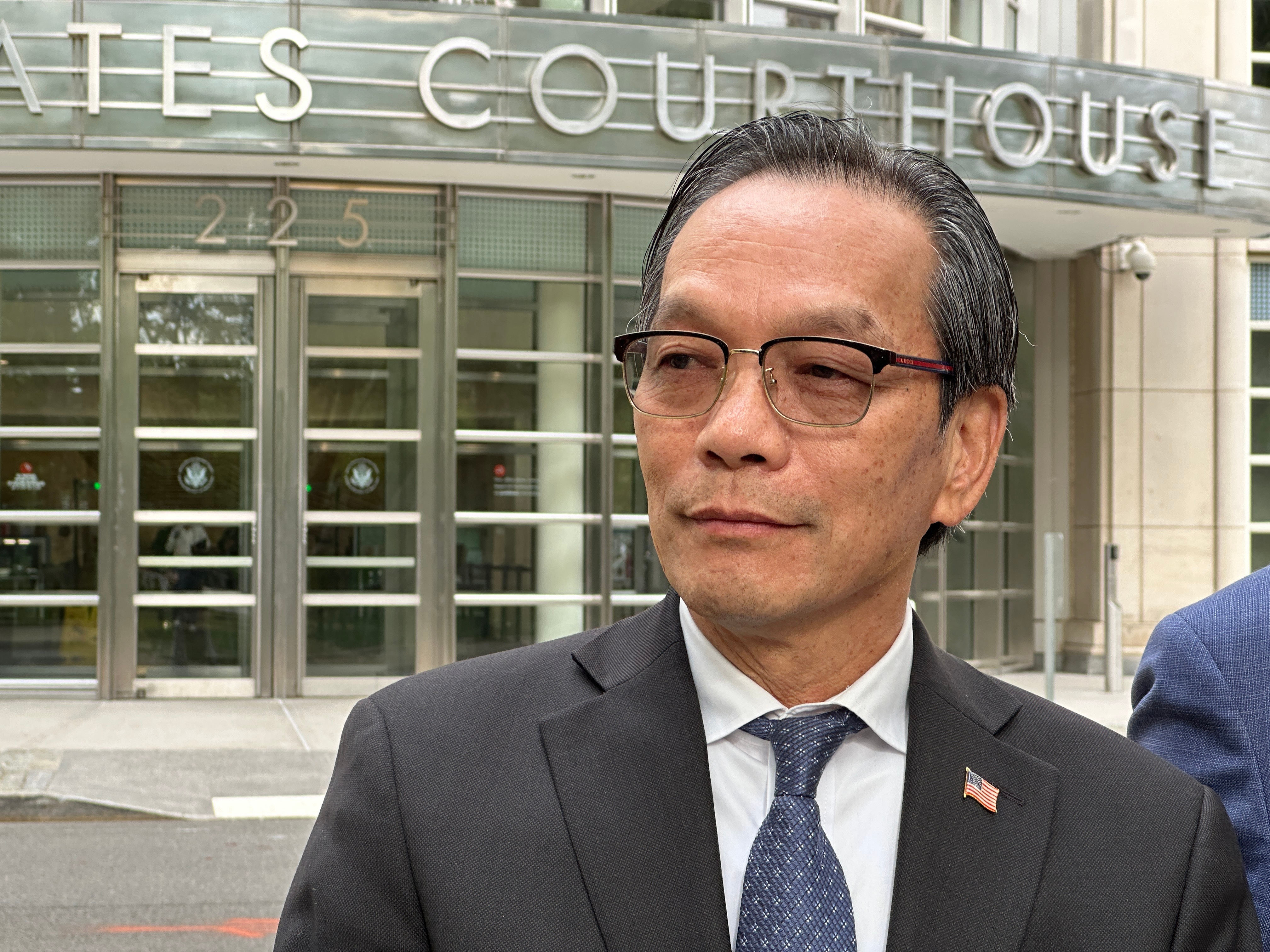
| | | | Man convicted over secret Chinese police station in NYC: Lu Jianwang, 64, accused of running a secret Chinese spy outpost from a nondescript office building in Manhattan’s Chinatown neighborhood, was convicted on Wednesday of acting as an illegal foreign agent. Know more. High speed rail tax: Nine California mayors have warned that they could sue the state’s High-Speed Rail Authority over plans to capture local tax growth and zoning control within a half-mile radius of future station sites. Trump’s disapproval rating: President Donald Trump's overall disapproval rating has reached its zenith across his two nonconsecutive terms in the White House. Epstein investigation: The House Oversight and Government Reform Committee released the transcript of Commerce Secretary Howard Lutnick's closed-door interview earlier this month related to the investigation of sex offender Jeffrey Epstein. Find out more. DNI denies CIA raided Tulsi Gabbard’s office: A spokesperson for the director of national intelligence has denied claims that the CIA raided DNI Director Tulsi Gabbard's office, taking dozens of boxes containing files related to the MKUltra Program and assassination of President John F. Kennedy. Know more.
|
| | |
| | | | | | China | Trump Silent on Taiwan as China’s Xi Issues Warning |
| |
| | |
| The rundown: Chinese leader Xi Jinping warned the U.S. leadership in their summit on Thursday that longstanding differences over Taiwan could trigger a major conflict between the nations, moments after President Donald Trump had publicly heaped praise on his host. Know more. | Why it matters: Beijing's longstanding claim to the self-ruled island was "the most important issue" in bilateral relations with the United States, Xi said, according to a readout published by the Chinese Foreign Ministry. "If it is handled properly, the bilateral relationship will enjoy overall stability. Otherwise, the two countries will have clashes and even conflicts, putting the entire relationship in great jeopardy," Xi said. Trump, who went into the landmark talks with a business-heavy agenda, did not respond when asked by reporters whether the topic of Taiwan was raised in the meeting. In spontaneous remarks before the summit, the U.S. leader was quick to offer platitudes and played up his personal relationship with Xi, who in contrast had used his prepared statement to caution America and the world about the perils of great power war. | Read more in-depth coverage: | Trump and Xi’s Spheres of Ignorance | What happens next? While few expect major breakthroughs on central sticking points in the relationship, for Trump, the promise of more Chinese investment in the U.S. might just be worth the trade. |
| | |
| | | | Cuba | Cuba Protests Erupt as Country Reels From Blackouts, Trump Pressure |
| |
| | |
| The rundown: Protests erupted in Cuba's capital of Havana on Wednesday evening as the country grapples with its worst blackouts in decades amid an ongoing U.S. fuel blockade. Get more updates. | Why it matters: Videos posted to social media show police officers repelling blows from protesters in the Playa neighborhood of southwestern Havana, with barricades erected in the streets. Crowds of demonstrators blocked roads with burning rubbish, and chants of "turn on the lights" could be heard in the city, according to the Reuters news agency. Blackouts have significantly worsened on the island since January, when President Donald Trump threatened to slap tariffs on any country that exported oil or petroleum products to Cuba, while doubling down on sanctions against Cuban officials and alluding to a possible U.S. invasion of the island. When U.S. forces captured then-Venezuelan leader Nicolás Maduro in Caracas at the start of 2026, Cuba was heavily dependent on oil exports from Venezuela, supplies that quickly trailed off. | Read more in-depth coverage: | Will the US Invade Cuba? Spy Flights Surge, New Sanctions, Havana Fumes | What happens next? Tens of thousands of people are waiting to receive surgery, including around 11,000 children, Cuban authorities said in mid-March. Tourism, a major economic flow for Cuba, has dwindled. The U.S. says Cuba has repeatedly refused to accept $100 million in humanitarian aid in exchange for "meaningful reforms," which Cuba denies. |
| | |
| | | | Drought | The US City on the Brink of Running Out of Water |
| |
| | |
| The rundown: "We’re running out of water." That blunt warning from Republican Congressman Michael Cloud, who represents Corpus Christi in the U.S. House, captures how dire the situation has become in the South Texas coastal city, where falling reservoir levels and looming mandatory cuts have brought officials closer to the prospect of severe water shortages across its primary reservoir system. Read more. | Why it matters: According to the city’s website, models suggest a Level 1 Water Emergency—a scenario triggered when the city’s water supplies are expected to be roughly 180 days from demand exceeding available supply. This could be triggered by September, a date that has been brought forward from November, according to a January city press release. It stated that the combined capacity of Choke Canyon Reservoir and Lake Corpus Christi had reached 10 percent—the lowest level the reservoirs have experienced in history. Draft city plans, reviewed by Inside Climate News, outlined proposals to impose 25 percent cuts on all water users, affecting nearly 500,000 people in Texas’s Coastal Bend region and one of the leading petrochemical and refinery hubs in the state. | Read more in-depth coverage: | Lake Powell Water Level Update: Map of States Demanding $2B From Congress | What happens next? A U.S. Drought Monitor map, released 7 May, indicated that much of Texas has continued to experience drought conditions. A Climate Prediction Center outlook for May through July indicated most of the state has roughly equal odds of wetter- or drier-than-normal conditions, while temperatures are expected to trend above average. |
| | |
| | | | Gas prices | Republicans Vote to Dilute Gas as Prices Rise Above $4.50 |
| |
| | |
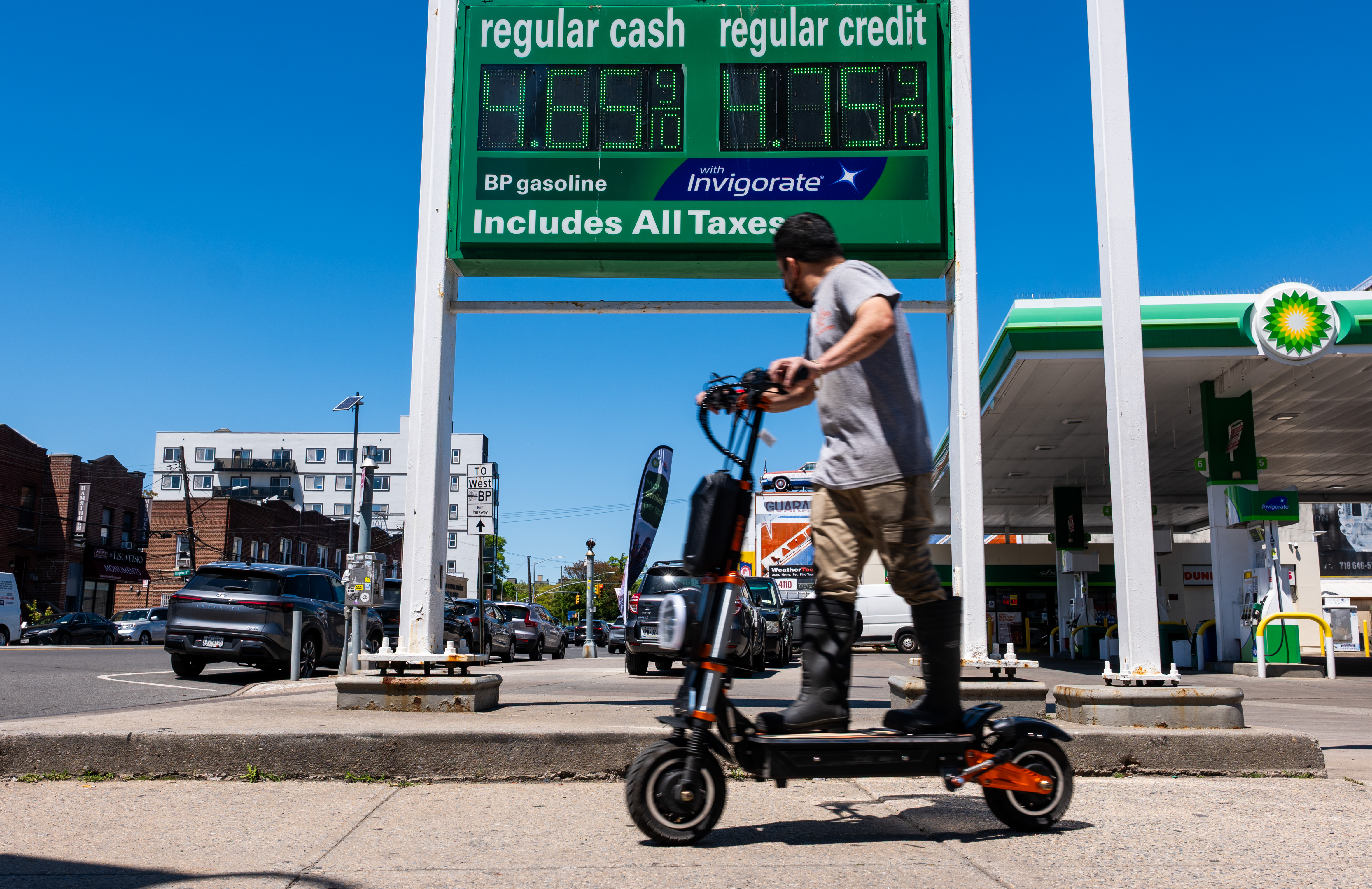
| The rundown: House Republicans passed a bill on Wednesday that would allow nationwide year-round sales of E15, a blend of gasoline mixed with 15 percent ethanol, a product which refiners and retailers normally cannot sell in around half the country during the summer months due to air pollution concerns. Get more details. | Why it matters: The H.R. 1346 bill, or the Nationwide Consumer and Fuel Retailer Choice Act, passed the House with a vote of 218 to 203, but still needs to be approved by a 60 percent majority at the Senate to move forward to President Donald Trump’s desk. Lawmakers hope that the measure would give relief to drivers at the pumps ahead of the busy summer season, when demand for fuel increases. National average gas prices have soared above $4.50 per gallon since the start of the Iran war. As of Thursday, the national average gas price was $4.53 per gallon, up by roughly $1.50 since late February, when gas prices in the country were just below the $3 mark, according to data from the American Automobile Association. | Read more in-depth coverage: | Inflation Jumps to Highest Level Seen Under Trump as Gas Prices Spike | What happens next? According to the EPA's website, it previously approved E15 for use in light-duty conventional vehicles of model year 2001 and newer, through a Clean Air Act waiver request. Gas stations are not required to sell E15, but some have started offering E15 due to state and federal incentives for upgrading equipment and better profit margins when compared with regular gasoline. |
| | |
| | | | AI | Americans Issued New Warnings Over AI Data Center Boom |
| |
| | |
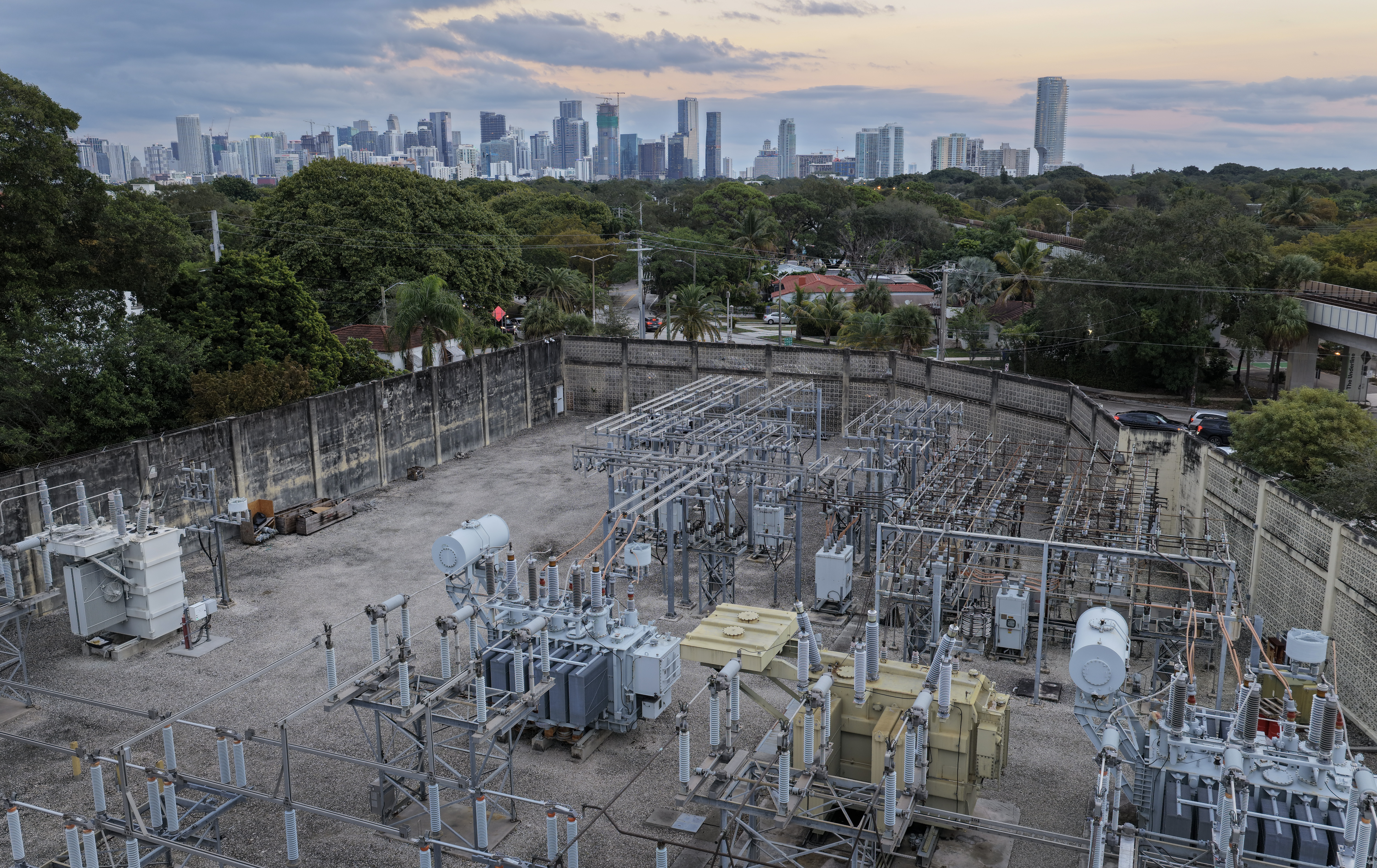
| The rundown: The rapid buildout of AI-driven data centers across the U.S. is increasingly colliding with local concerns about who pays for the infrastructure and resources that the facilities require—and how communities live alongside them. Find out more. | Why it matters: As data centers expand and concentrate demand in specific regions, bodies have been warning that the growth can translate into higher household utility costs. At the same time, local controversies suggest opposition is shifting from online frustration to public meetings, street demonstrations and policy fights. Across the U.S., there are now more than 4,200 data centers, according to Data Center Map, with more than 600 in Virginia alone. In one recent example of state-level action, Florida Governor Ron DeSantis last week signed SB 484, which directs state regulators to ensure that large data center customers pay the full costs of required electrical infrastructure, transmission upgrades and system expansions, rather than shifting those expenses onto residential utility bills. | Read more in-depth coverage: | AI Is Turning Customer Feedback Into a Product Advantage | What happens next? Taken together, the string of flare-ups suggest that the data center boom is no longer just an abstract tech story but a local pocketbook—and infrastructure—issue. With states moving to protect ratepayers, grid reliability officials warning about new operational risks, and residents turning out to challenge projects on the ground, the question now is whether this rise in opposition and scrutiny becomes the new normal as more facilities come online. |
| | |
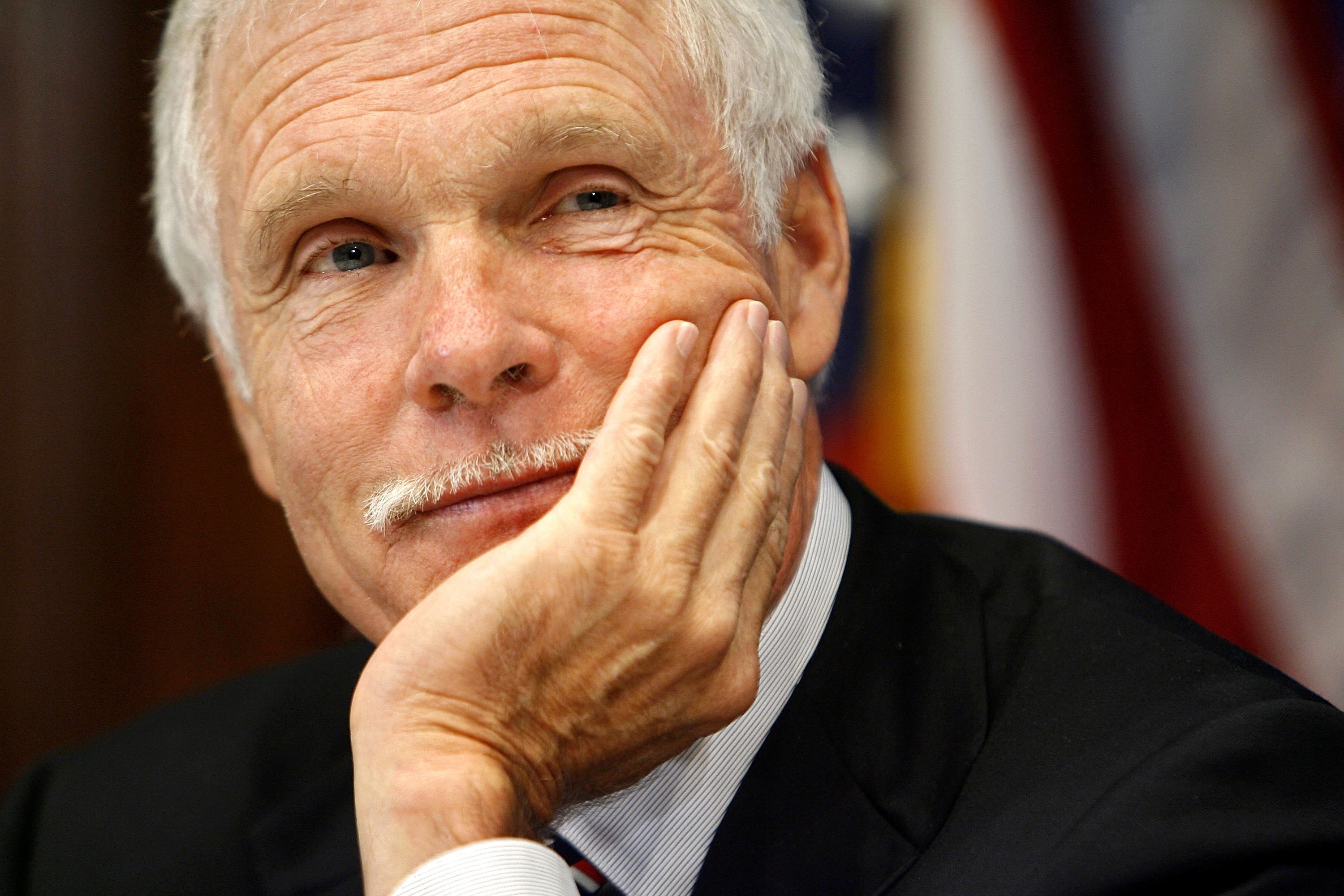
| | | One Deeper Read | | | Ted Turner and What Might Have Been | Opinion |
|
| | For someone like me who has been immersed in the media industry his entire career, the passing of Ted Turner is not only sad news, but also is a time for remembrance of how he singlehandedly transformed television news. He was everything all the tributes to him have expressed. First and foremost though, he was a great media visionary and the person most responsible for bringing about a far greater diversity of electronic news information. Some quite intentionally—some not his intention at all. | |
| | |
| |
|







No comments:
Post a Comment