|

| 04.02.2025 | 19:00 UTC |
| In this edition: Friedrich Merz, tipped to become Germany's next chancellor, remains defiant in the face of backlash to his gambit accepting far-right support on a motion restricting immigration; a feminist integration project in Berlin targets young male immigrants; and an eccentric art exhibition that explores the non-normative. |
 | ||
|
| Welcome to DW's Berlin Briefing |
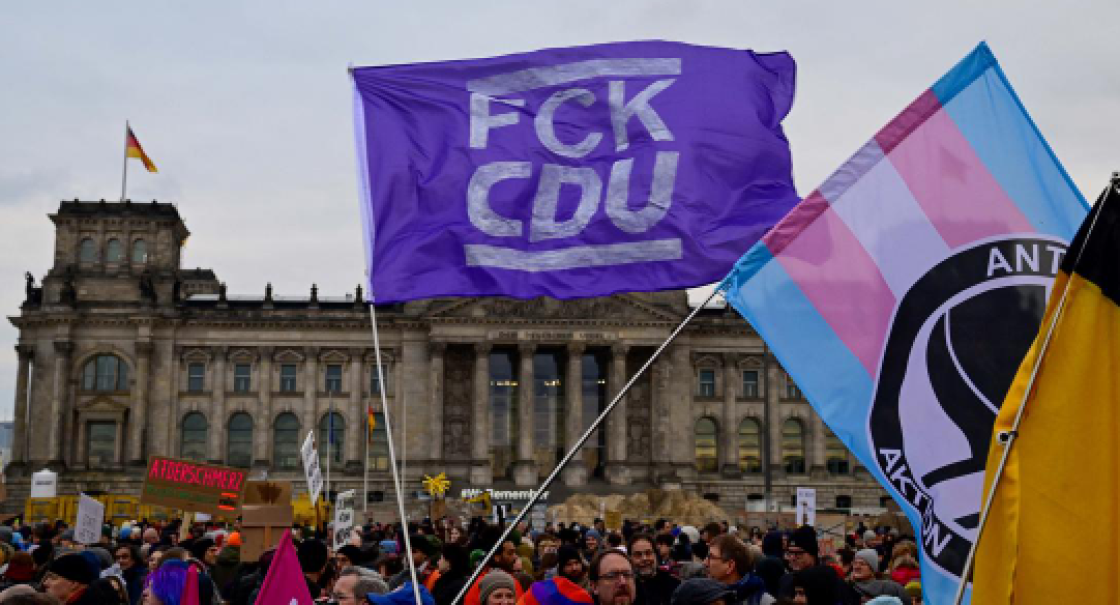
| Less than three weeks to go until Germany's general election – but four years ago, a few weeks proved to be enough time for the leading conservative candidate to stumble. This time, Friedrich Merz, CDU chairman and chancellor candidate for the center-right bloc of Christian Democrats and Christian Social Union (CDU/CSU), has long been comfortably ahead in the polls. Then last week, he opted to make a risky move: accepting support from the far-right Alternative for Germany (AfD) in parliament. The killing of a young child, allegedly at the hands of an Afghan refugee in the town of Aschaffenburg, led Merz to "go all in" on his attempt to show he'd be tough on curbing irregular immigration. He pushed a nonbinding motion on a tougher immigration policy through parliament on January 29, accepting that it was the AfD lawmakers who made up the numbers to pass it. DW News covered the debate live. Since the end of World War II and the Holocaust, there has been a consensus among Germany's main political parties that there is to be no form of cooperation with the far and extreme right. It was such a cooperation that facilitated Nazi dictator Adolf Hitler's rise to power in 1933. Brandmauer (firewall) is the term describing the refusal to cooperate with extremist forces. Tune in to our Berlin Briefing Video Podcast this Friday for more on the topic. Friedrich Merz himself had repeatedly vowed to avoid any alliance with the far right, most recently in a speech to the Bundestag only a couple of months ago. The ruling center-left Social Democrats (SPD), who had been floundering in the polls, pounced on the opportunity to portray Merz as reckless und untrustworthy. Street protests erupted against what many see as a major change to the political culture. In an unusual move, even former CDU Chancellor Angela Merkel publicly expressed her disapproval of Merz's latest actions. A survey by pollster Forsa, published this Tuesday, sees the CDU/CSU drop to 28%, its worst result since October 2023. |
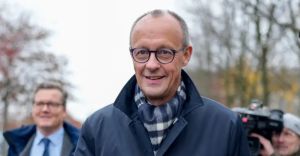
| Merz's critics worry that he allowed himself to get carried away by emotions and is prone to knee-jerk reactions rather than long-term strategy, which might be abused by political adversaries at home and abroad. However, CDU delegates rallied behind their candidate on Monday and broke into frenetic applause when he vowed to avoid cooperating with the AfD, proclaiming it to be the CDU's main enemy. Friedrich Merz explained his positions in an interview with DW's chief political editor Michaela Küfner. Even if it emerges as the strongest force from the election on February 23, the CDU/CSU is expected to need at least one other party to form a stable government. That may be tricky as the most likely candidates now say their confidence in Friedrich Merz has been badly shaken. |
|


| IMMIGRATION AND INTEGRATION |
| A strong majority of German voters say they want to see a crackdown on irregular immigration. Immigration numbers have gone down in Germany and the EU, also due to temporary border controls implemented last year. The outgoing government points to a creaking and complex bureaucracy rather than insufficient legislation slowing down reform. In the non-binding motion that was approved with the votes of the AfD, Merz proposed five measures: Permanent border controls at all German borders, rejection of all attempts at alleged "illegal" entry, an entry ban for persons without valid documents, immediate detention of persons obliged to leave the country, and restrictions of the right of residence for those classified as criminals and dangerous persons. Merz has vowed to implement these measures immediately if he comes to office, although that may not be feasible as executive orders are impossible under Germany's political system. One other motion to strengthen federal police and a draft law to impose further immigration restrictions as detailed in the so-called Zustrombegrenzungsgesetz (influx limitation law) failed to pass the Bundestag on Friday. |
|

While the CDU/CSU, AfD and the populist BSW are campaigning on platforms of curbing immigration, the left and center-left are focusing more on integration. Chancellor Olaf Scholz's Social Democrats (SPD) want to better manage rather than curb immigration. Although they seek to speed up asylum procedures, they reject the idea of reimposing tight controls at Germany's borders with its neighboring countries, and want to continue family reunification programs for asylum seekers. The SPD is not alone in emphasizing Germany's need for more immigration to the labor market and they proudly point to their government's moves to facilitate it. While the Greens have agreed to measures to curb irregular immigration, they still define Germany as an Einwanderungsland (country of immigration) and demand more effective instruments for integration. |
|



No comments:
Post a Comment