Welcome to The Backstory. Every Sunday, we’ll guide you through the debates driving U.S. foreign policy and international affairs using pieces from the Foreign Affairs archives—some recent, some decades old. |
|
|
This Friday will mark the one-year anniversary of Russia’s invasion of Ukraine. But the story of this conflict begins long before Russian tanks crossed Ukraine’s borders on February 24, 2022. Since the fall of the Soviet Union, Ukraine has served as a flashpoint for tensions surrounding the post–Cold War order. “For it is in Ukraine that the disconnect between triumphalist end-of-history delusions and the ongoing realities of great-power competition can be seen in its starkest form,” Serhii Plokhy and M. E. Sarotte wrote in January 2020. |
|
|
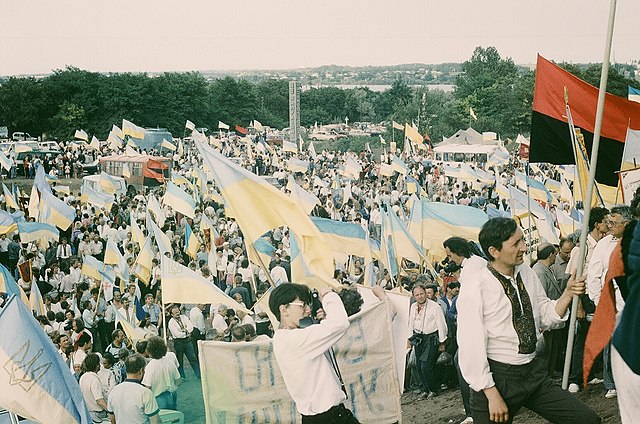
It was clear to Zbigniew Brzezinski in 1990 that the rising tide of national self-assertion among the non-Russian nations of the Soviet Union would pose a major challenge for Moscow. “The specter that haunts the Russians in the Kremlin,” he wrote, “is that of nationalism—both within the Soviet Union and in Eastern Europe.” Writing in 1994, Brzezinski noted the “widespread feeling in Moscow that Ukrainian independence is an abnormality as well as a threat to Russia’s standing as a global power.” But he argued that the West could head off any potential escalations by incorporating Russia into its plans for European security, particularly given Russia’s sensitivity regarding NATO expansion. “The deliberate promotion of a larger and more secure Europe need not be viewed as an anti-Russian policy,” he declared. |
|
|
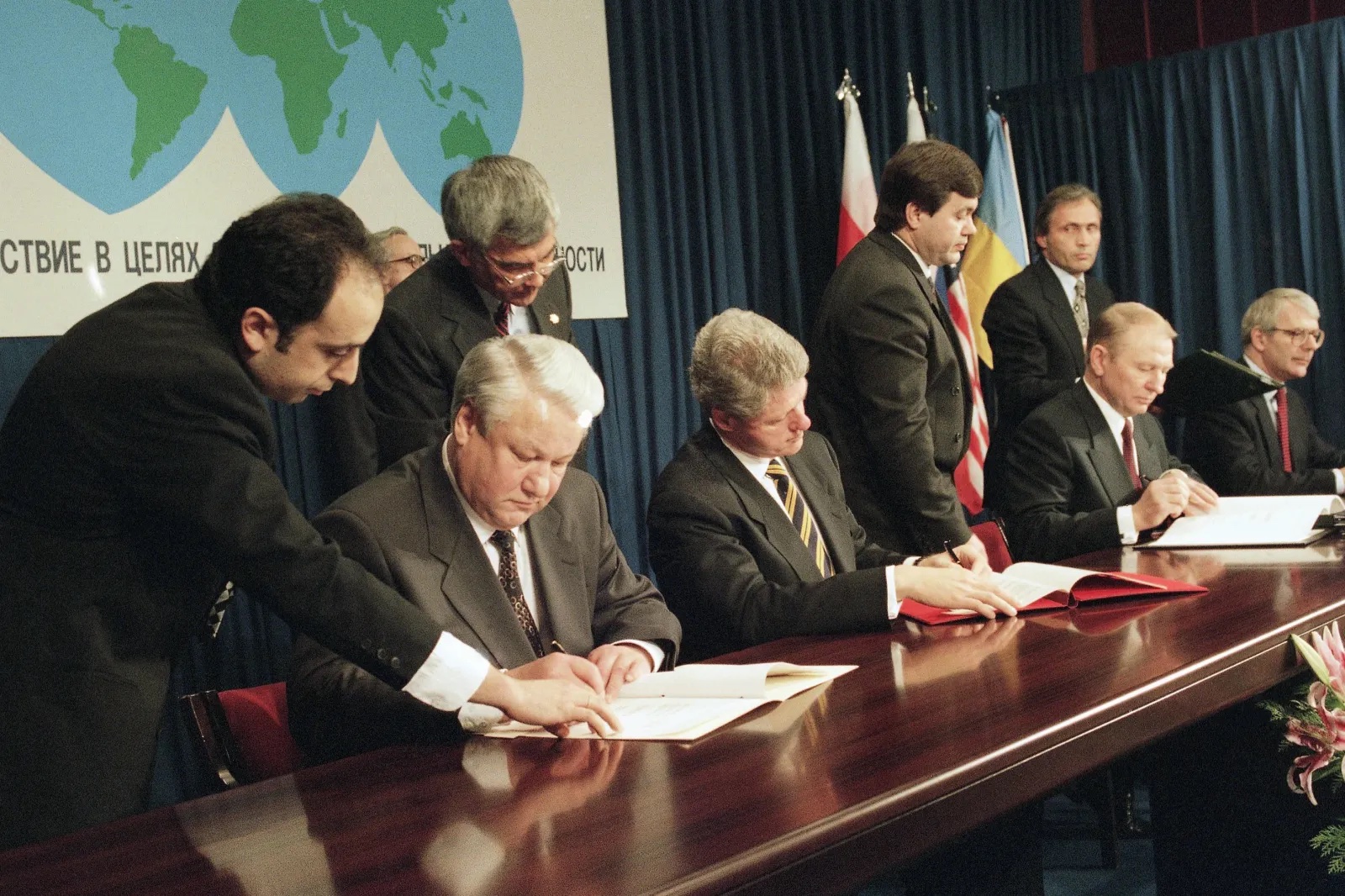
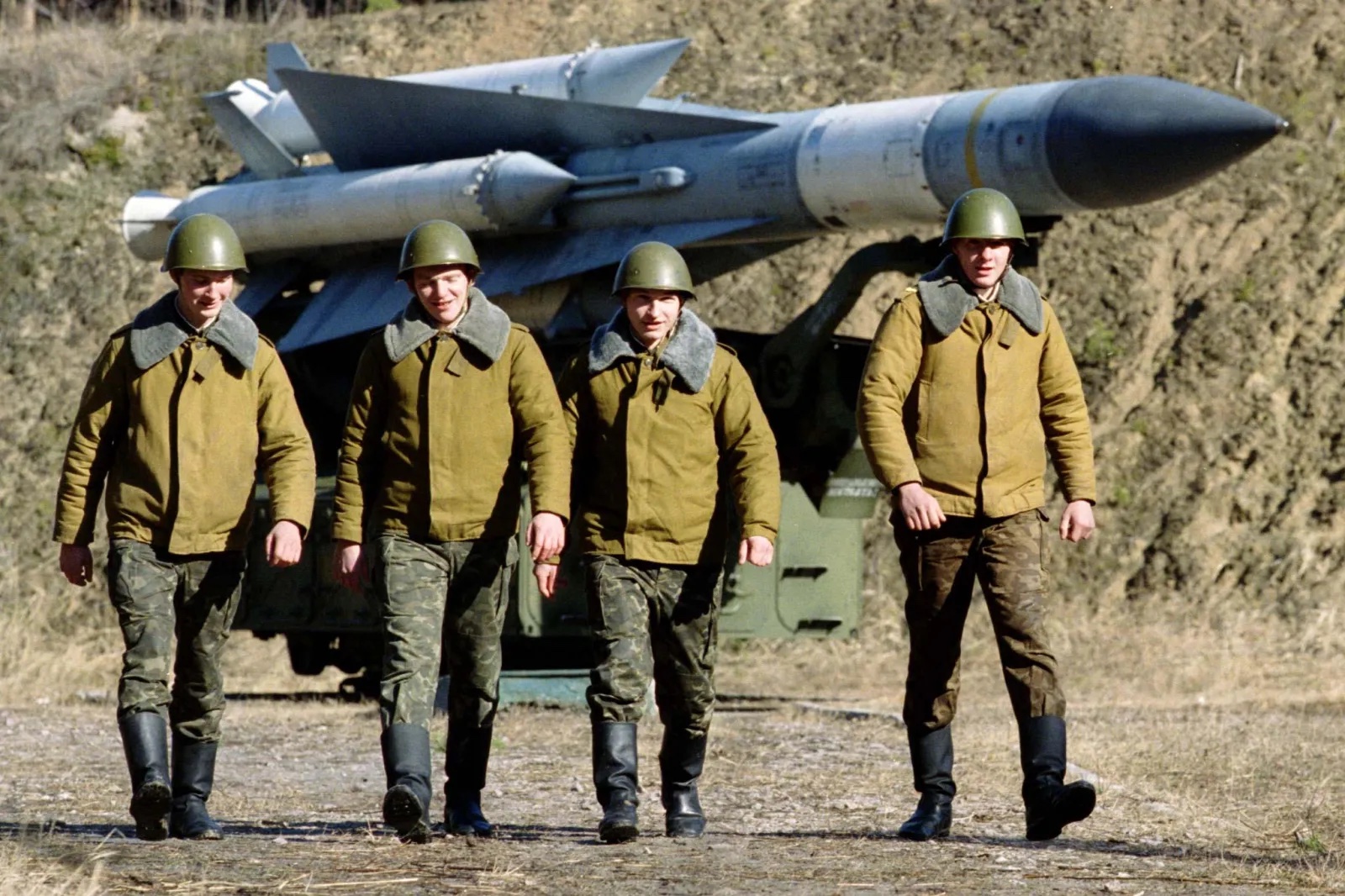
Another pivotal moment came in 1994, when Ukraine, a newly independent country, decided to surrender the nuclear arsenal it inherited from its Soviet days “in exchange for assurances from Russia, the United Kingdom, and the United States that its sovereignty and territorial integrity would be respected,” Mariana Budjeryn writes. Many Ukrainians have come to regret this deal, known as the Budapest Memorandum, thinking that if the country had held onto its nukes, Russian President Vladimir Putin might never have invaded. But this regret is misplaced, Budjeryn argues: “The real mistake was not Ukraine’s decision to disarm but the West’s failure to hold up its end of the bargain.” |
|
|
In late 2004, Ukraine experienced another watershed moment in its relationship with Russia. A series of protests known as the Orange Revolution prevented Viktor Yanukovych, a pro-Russian candidate, from stealing the Ukrainian election. This win for democracy “set a major new landmark in the postcommunist history of eastern Europe, a seismic shift Westward in the geopolitics of the region,” Adrian Karatnycky wrote in 2005. It was also, he noted, “a humiliating defeat for Putin.” Moscow’s relationship with the West was likewise fraying, particularly given the eastward expansion of NATO to include former Soviet states such as Hungary and Poland. The Kremlin’s “new approach to foreign policy,” Dmitri Trenin argued in 2006, assumes that “Russia is essentially friendless” and “has a choice between accepting subservience and reasserting its status as a great power.” He warned: “Having left the Western orbit, Russia is also working to create its own solar system.” |
|
|
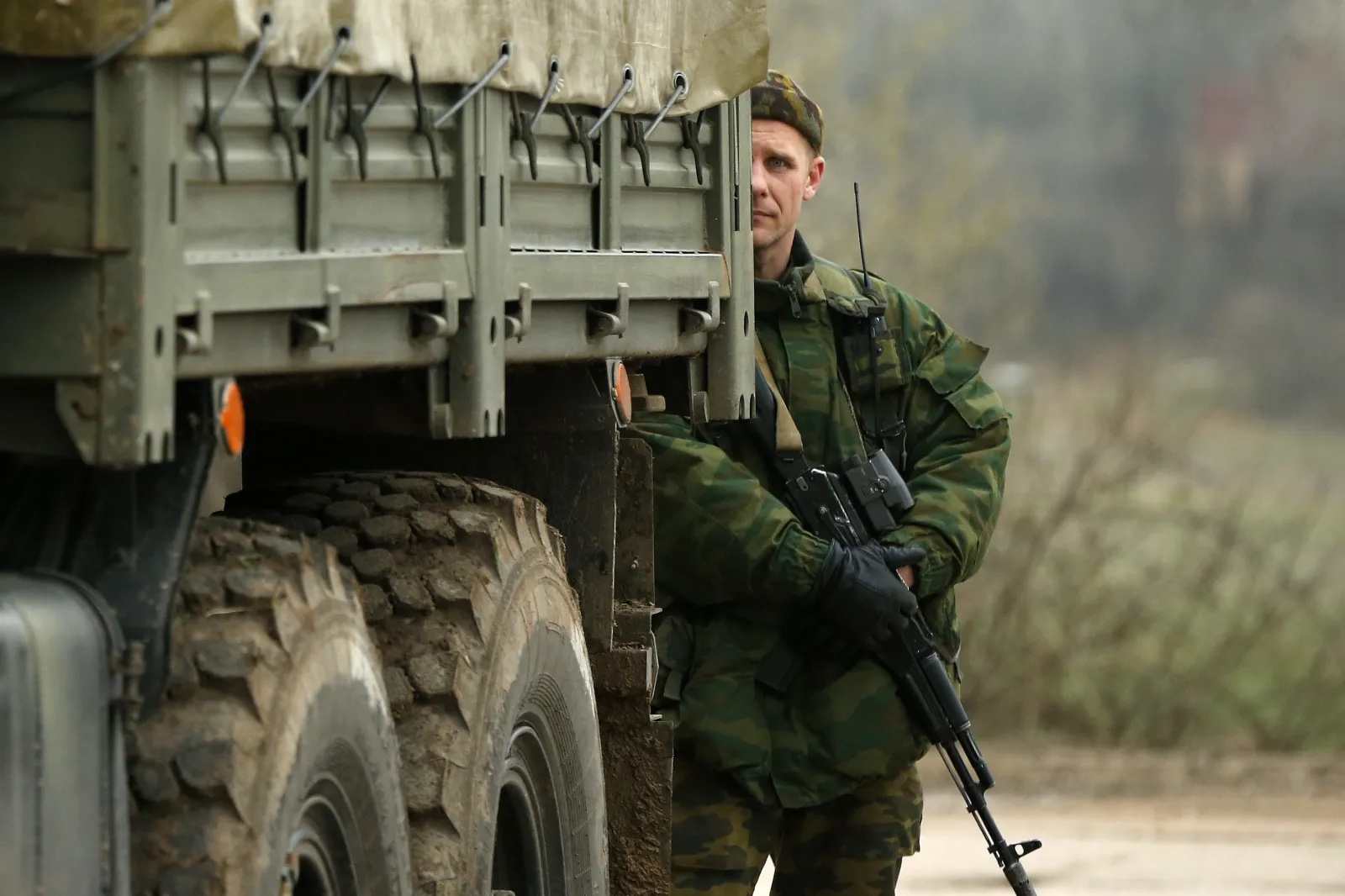
The next turning point came in February 2014. Large-scale pro-Western protests, known as the Maidan revolution, effectively ousted Yanukovych, Ukraine’s pro-Russia president, from power. This prompted the Kremlin to invade Crimea and annex the peninsula and to begin supporting pro-Russian separatists in eastern Ukraine. Writing that year, John Mearsheimer argued that the United States and its European allies shared most of the responsibility for the crisis. “The taproot of the trouble is NATO enlargement, the central element of a larger strategy to move Ukraine out of Russia’s orbit and integrate it into the West,” he wrote. Writing two years later, Daniel Treisman argued that the annexation had less to do with the prospect of NATO membership than with Putin’s growing appetite for strategic risk. “Putin’s recent penchant for high-stakes wagers may prove even harder for Western leaders to handle than a policy of consistent expansionism,” he contended. |
|
|
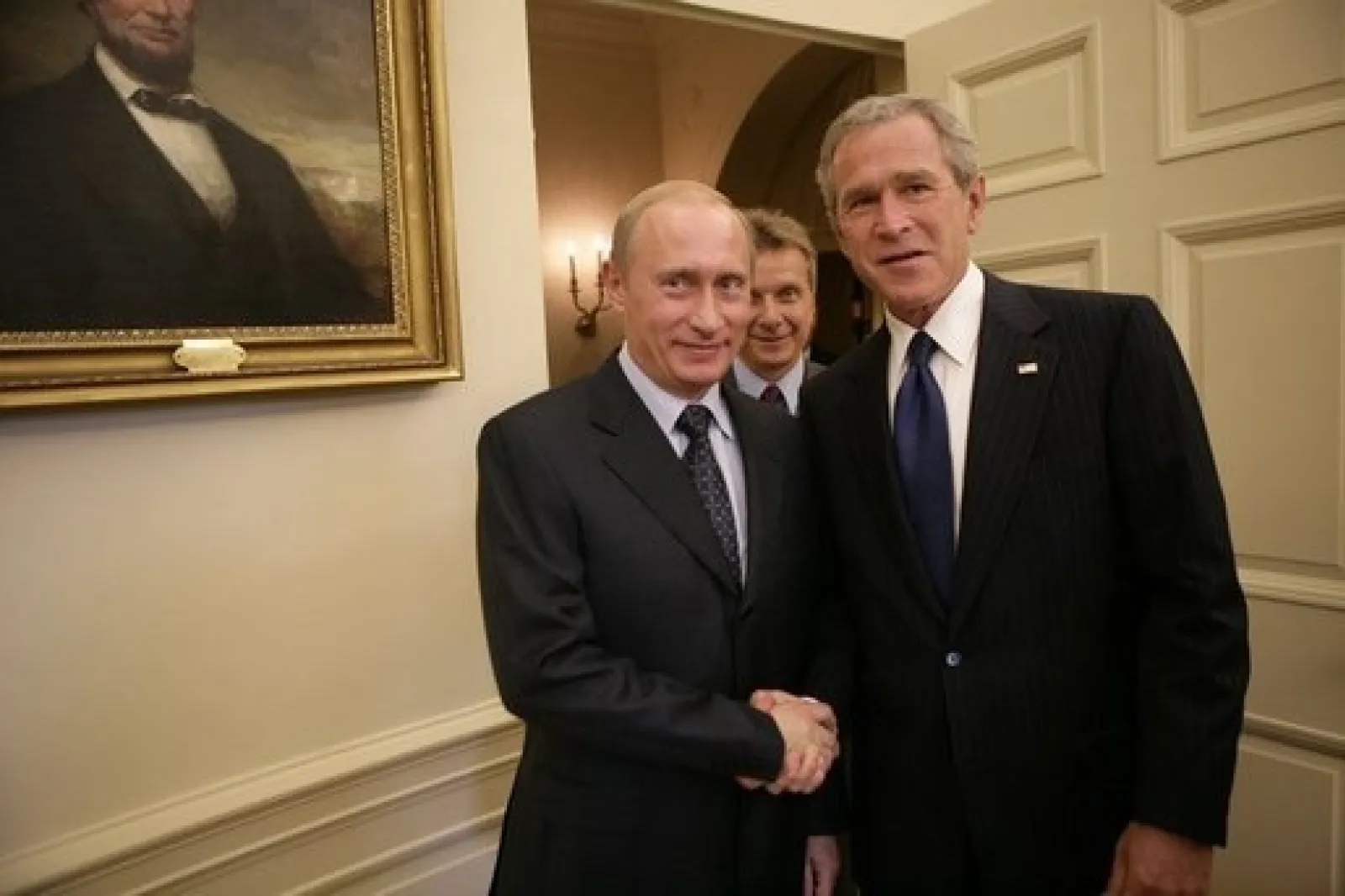
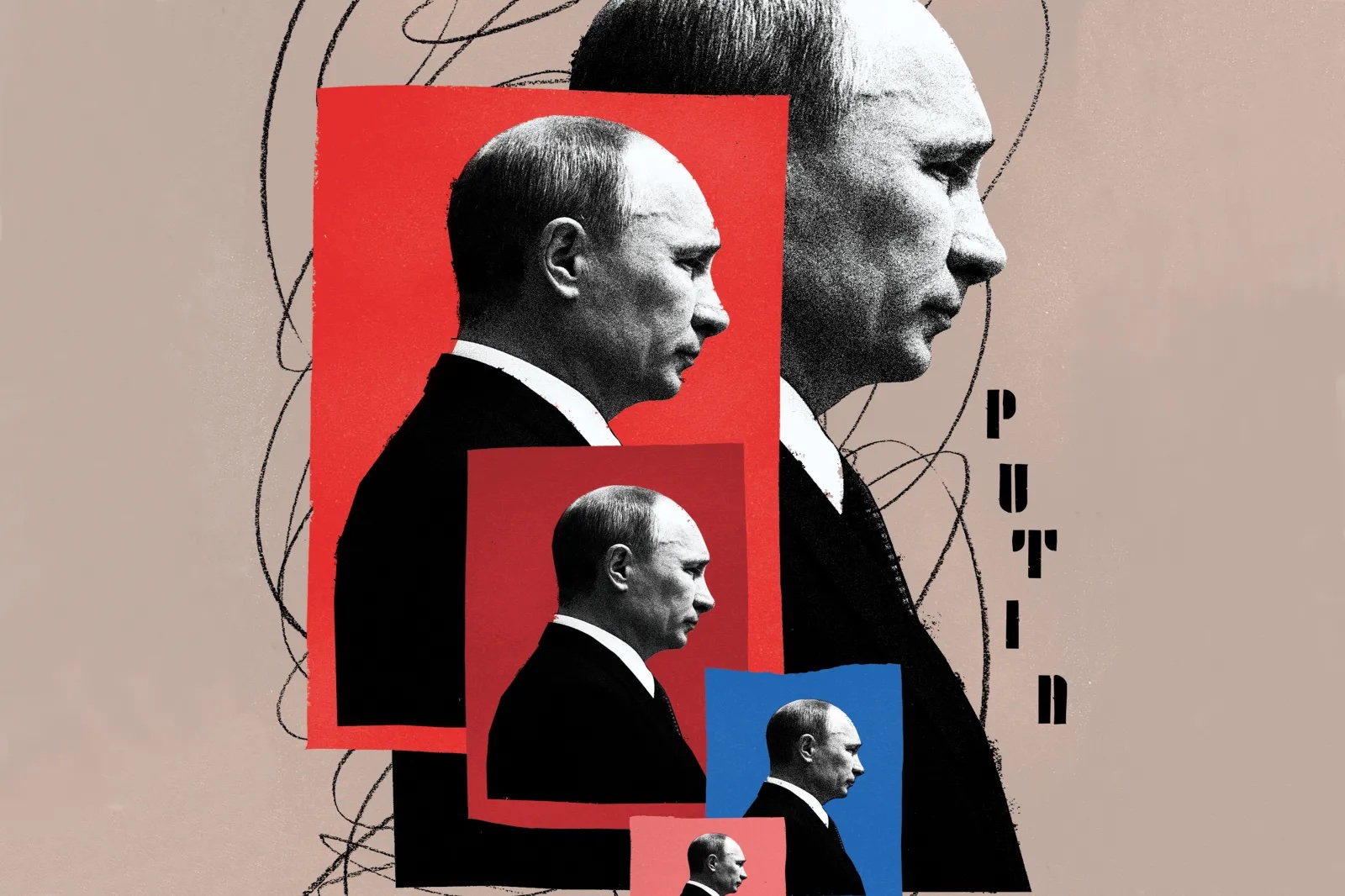
Russia’s increasingly belligerent behavior abroad matched the transformation of politics at home—specifically, Putin’s consolidation of power. “There is no longer any distinction between the Kremlin and Putin,” Gleb Pavlovsky wrote in 2016. In a 2019 assessment of Putin’s rise, Susan Glasser argued that the collapse and dissolution of the Soviet Union “was the signal moment of Putin’s adult life, the tragedy whose consequences he is determined to undo.” The West, she warned, dismissed at its own peril the “rapidly accumulating evidence of Putin’s aggressively revisionist, inevitably zero-sum vision of a world in which Russia’s national revival will succeed only at the expense of other states.” |
|
|
In 2021, Russia began building up its forces on Ukraine’s borders. Writing that fall, Melinda Haring argued that Putin seemed to smell blood in the water: “He sees Biden’s declining popularity numbers, U.S. distaste for further foreign adventures after the helter-skelter withdrawal from Afghanistan, and Washington’s fixation with China,” and “he’s confident that he has a free hand in eastern Europe.” Michael Kimmage and Michael Kofman also warned that war could be around the corner. In November 2021, they wrote, “ominous signs indicate that Russia may conduct a military offensive in Ukraine as early as the coming winter.” Three months later, Russia invaded Ukraine, and the terrible year of war began. |
|
|
Please note that if you have a Print-only subscription, you will need to upgrade to All Access or switch to Digital to use our app and other digital formats.
|
|
|
|




No comments:
Post a Comment