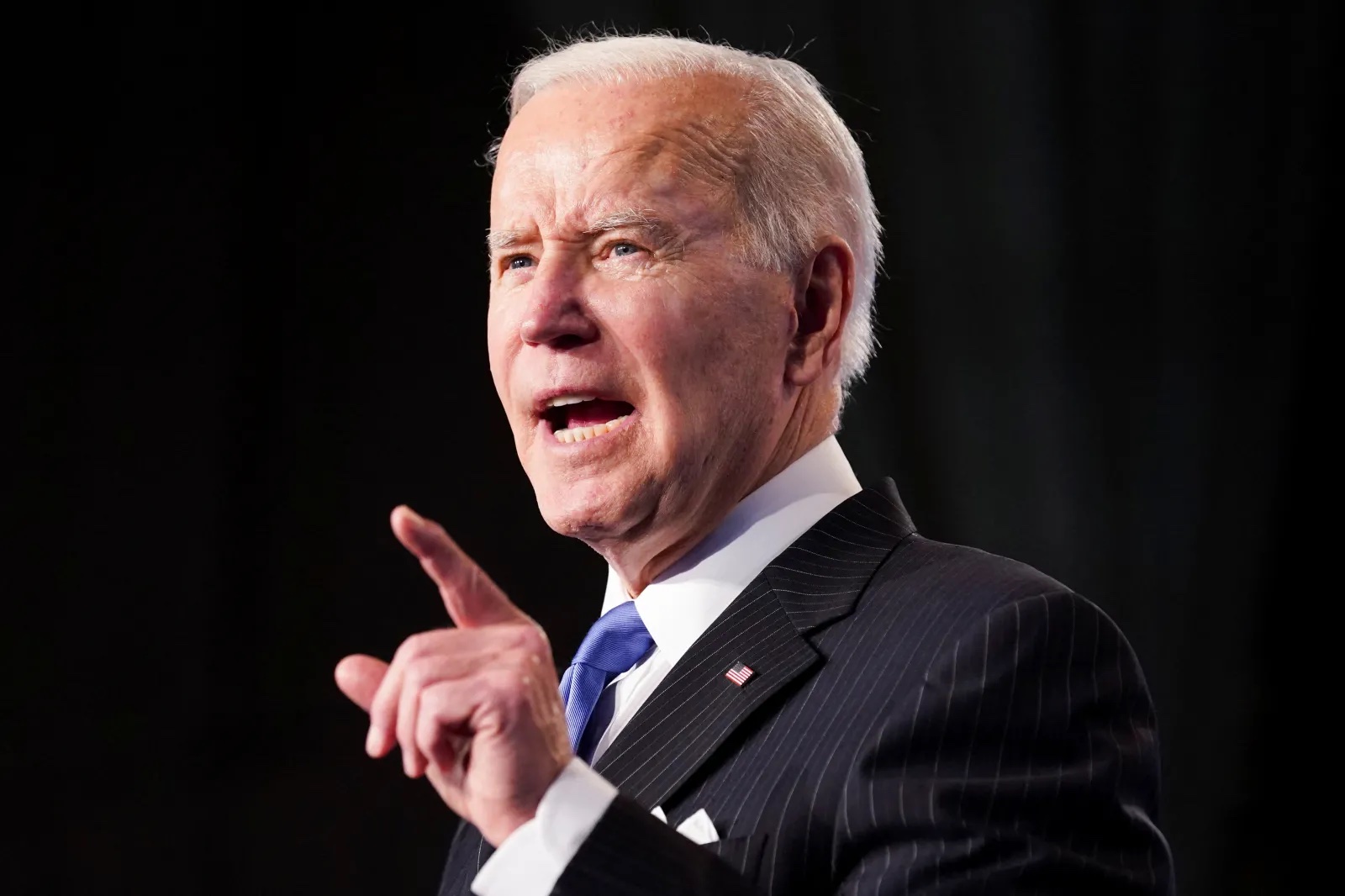
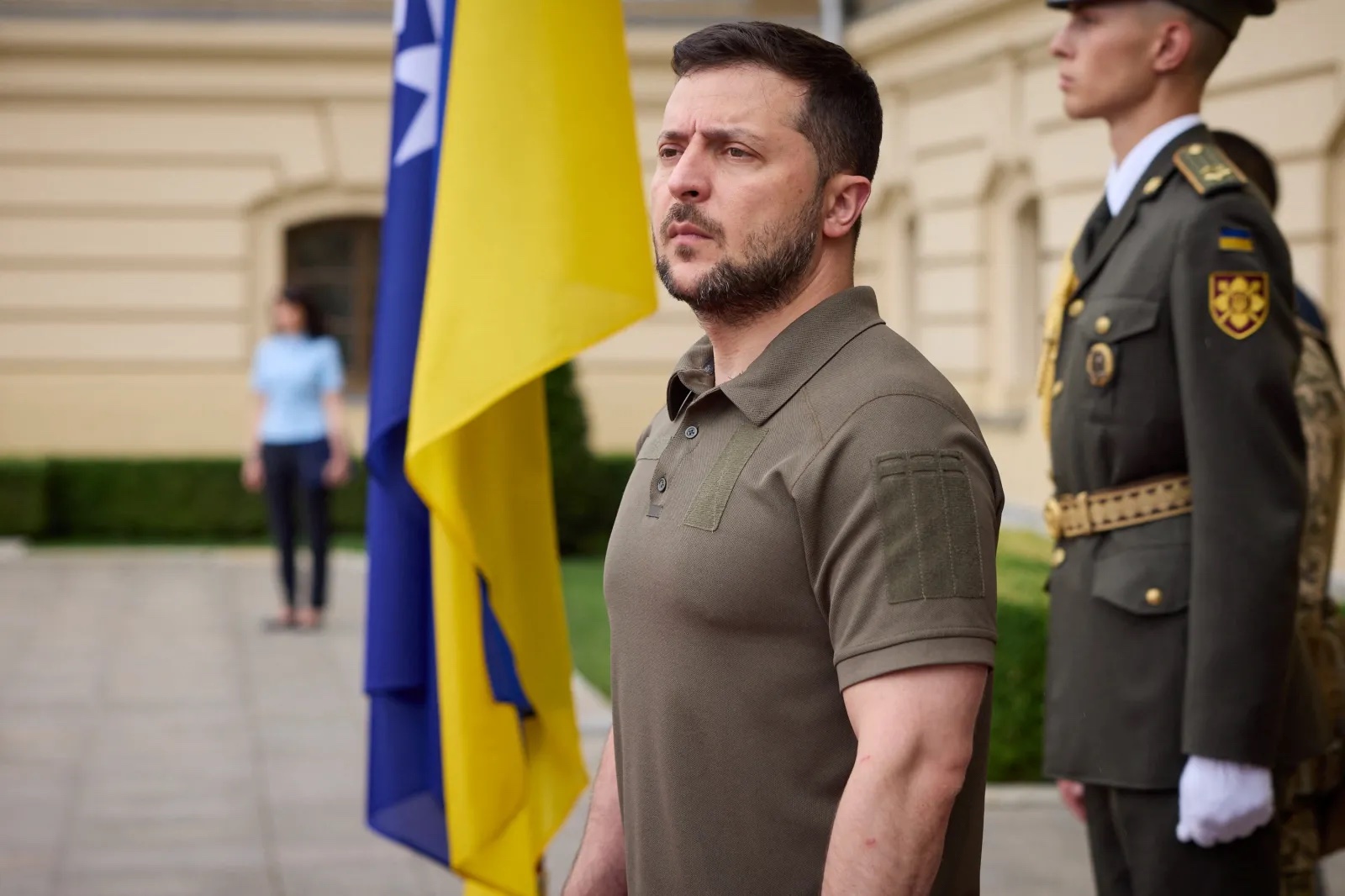
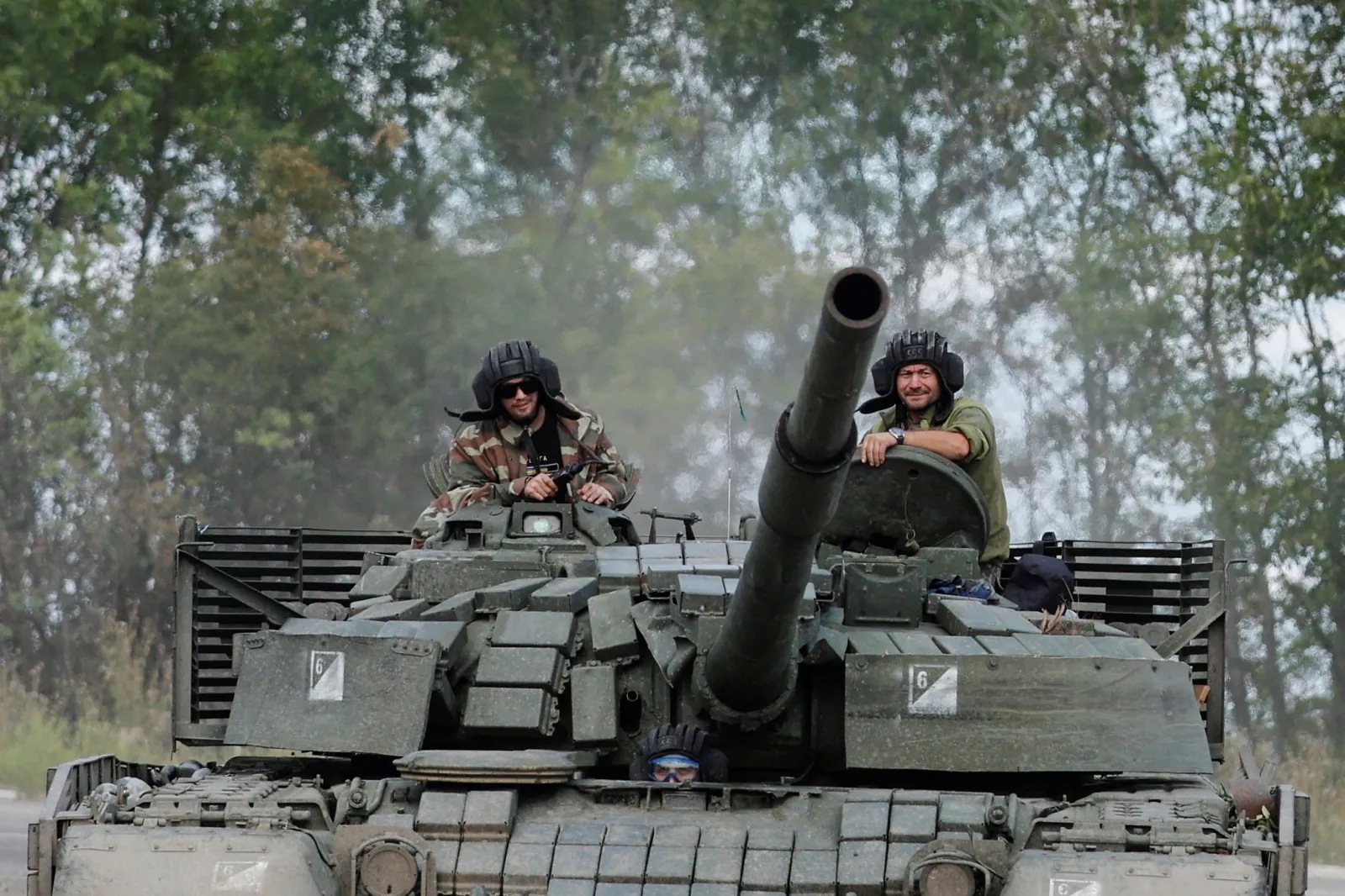
Since Russia launched its invasion of Ukraine in February 2022, scholars and policymakers have debated how deeply involved the United States should be in the conflict—and, increasingly, whether it should continue to maintain such high levels of support. The issue is also top of mind in the wake of the leak of classified U.S. documents revealing, among other things, that Kyiv could run out of key weapons in the weeks to come. Driven at turns by competing anxieties over international security, the future of democracy, domestic political backlash, and the specter of nuclear war, it is a debate that is playing out in the halls of the U.S. Capitol—and in the pages of Foreign Affairs.
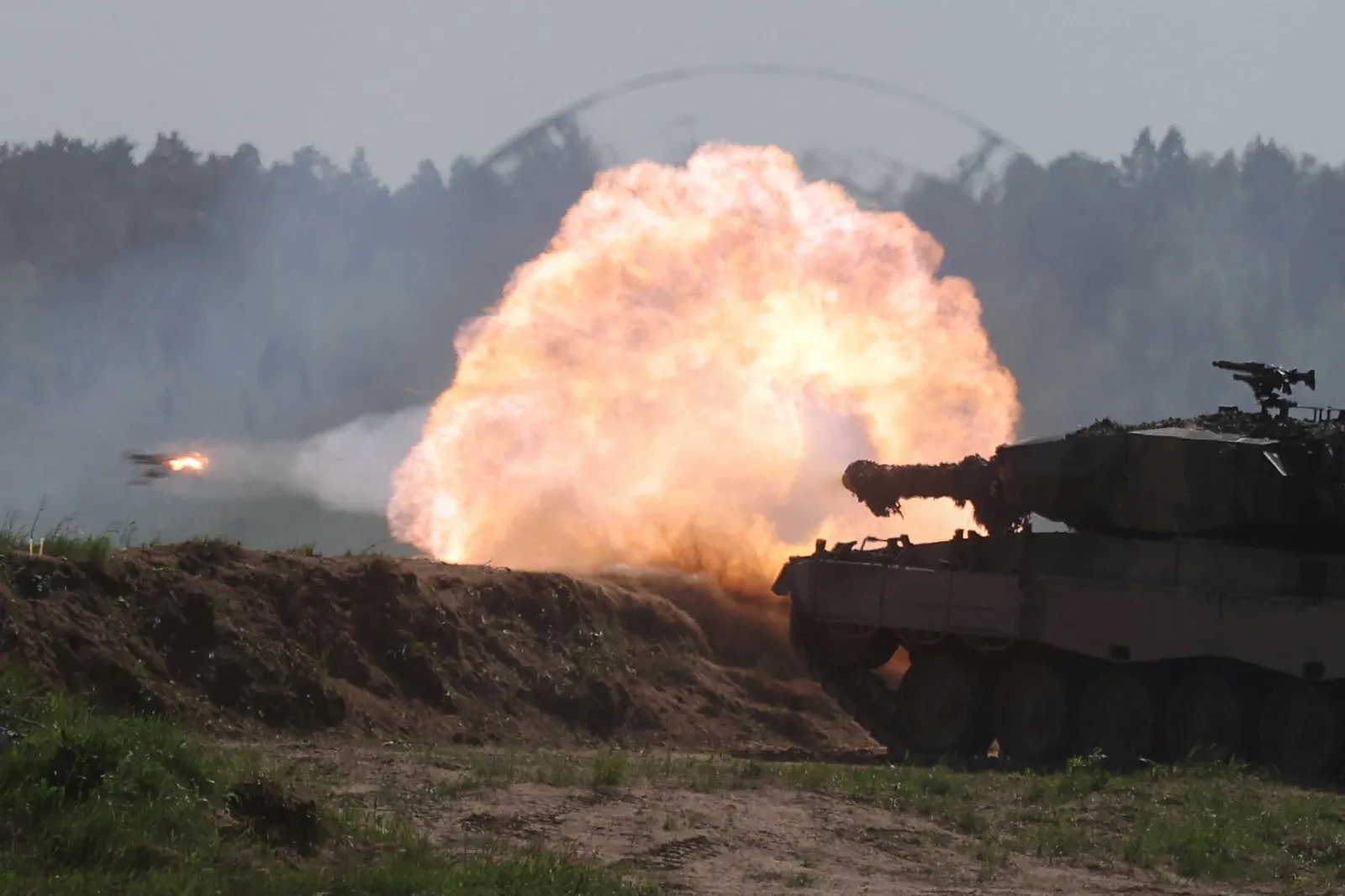
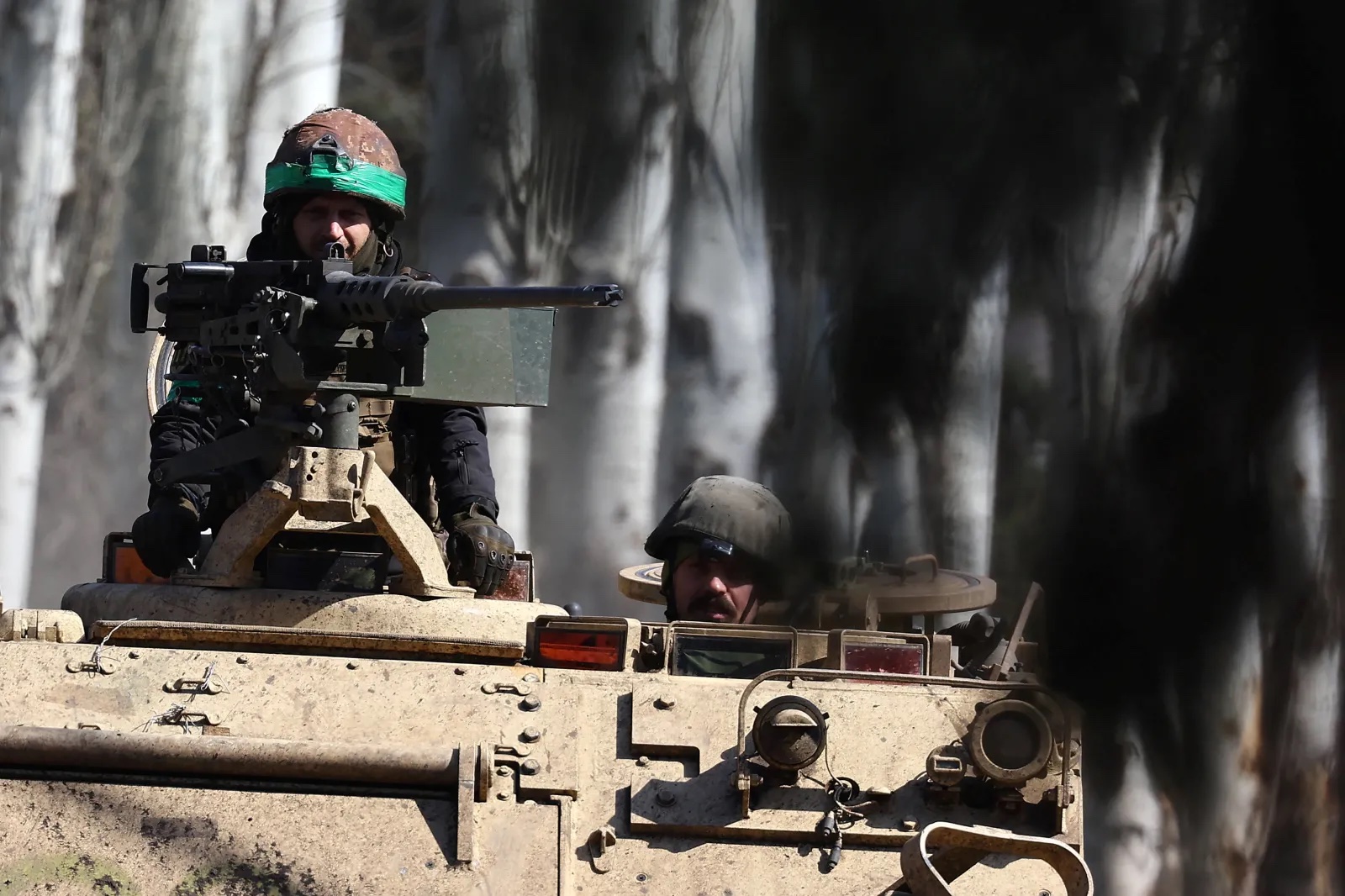
Over the course of the war, Washington has committed over $75 billion in aid and arms transfers to Kyiv. The provision of advanced weapons systems has prompted concerns about the risks of escalation with Moscow—but “arms transfers may be the least dangerous of a dangerous list of options,” Stephen Biddle wrote in March 2022. Aid to Ukraine allows Washington and its allies to both “raise the cost of Russian aggression without engaging Russia directly” and “give Ukraine a chance of fending off Russian forces without exceeding NATO’s risk tolerance.” Writing a month later, Stephen Wertheim argued that a more restrained approach would be better. Washington should think twice rather than “lock a new cold war into place.”


No comments:
Post a Comment